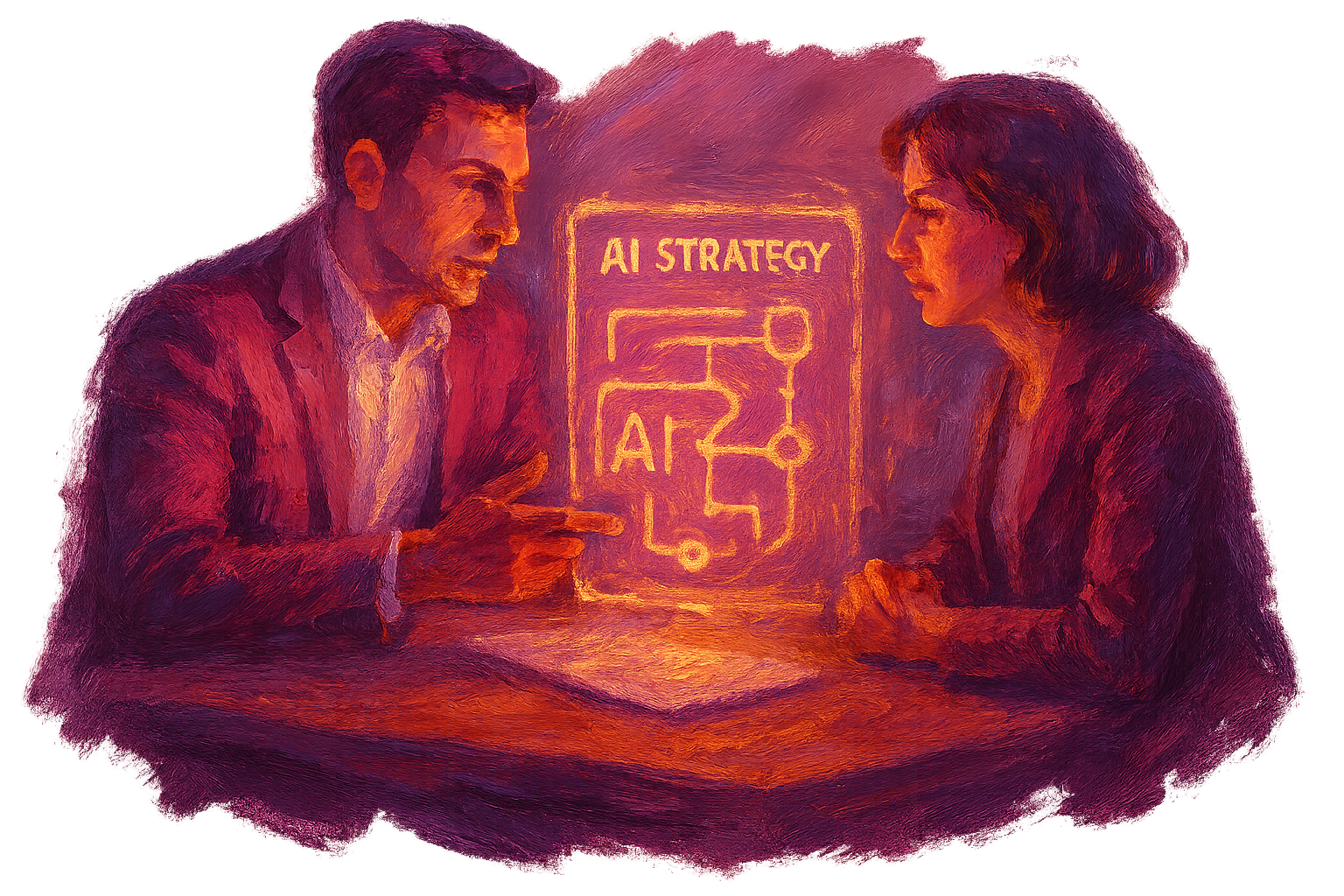







Chatbots play a critical role in the digital transformation process of modern businesses.

Contribution and Importance of Chatbots to Businesses#
Chatbots play a critical role in the digital transformation process of modern businesses. The advantages they provide in various areas such as customer service, marketing, and sales increase the competitiveness of businesses. Especially chatbots powered by artificial intelligence and natural language processing technology improve user experience while also reducing costs. In this article, we will detail the contributions and importance of chatbots to businesses. As Türk Bilişim, we offer the most suitable solutions to businesses with our expertise in this field.
Quick Summary
- Chatbots automate customer service and provide 24/7 support.
- They increase engagement in marketing strategies and boost conversion rates.
- They create targeted campaigns by understanding customer behavior through data analysis.
Efficiency in Customer Service#
Chatbots provide great efficiency in customer service processes. For example, when a customer encounters a problem, chatbots respond instantly, allowing them to find answers to frequently asked questions. This increases customer satisfaction while also reducing the workload on human representatives. Research conducted as of 2026 shows that chatbots provide a 30% increase in efficiency in customer service. Customer service representatives can focus on more complex issues, thus offering better service.
Role in Marketing and Sales Processes#
Chatbots make significant contributions to businesses by being integrated into marketing and sales processes. For instance, when a potential customer visits your website, chatbots can instantly provide them with information and answer questions about products or services. This interaction can accelerate potential customers' purchasing decisions. Additionally, offering personalized campaigns and discounts to customers through chatbots increases conversion rates. As Türk Bilişim, our chatbots manage these processes end-to-end, adding value to businesses.
Data Analysis and Reporting#
Chatbots can analyze data obtained from user interactions. This data provides businesses with in-depth insights into customer behavior. For example, data such as which products attract more interest or which questions are frequently asked can be used to shape marketing strategies. In this way, businesses have the opportunity to offer more effective campaigns to their target audiences. Data analysis is also an important factor that increases customer satisfaction for businesses.
In conclusion, chatbots offer multifaceted advantages to businesses. They not only automate customer service but also strengthen marketing and data analysis processes. With its experience since 1998, Türk Bilişim helps businesses optimize their processes by offering the most suitable chatbot solutions. Thus, businesses both increase customer satisfaction and reduce their costs.
Essentials#
Must-haves in this business:
Added Value (Bonus)#
Not mandatory but differentiating, optional items:
All of these elements are set up end-to-end by Türk Bilişim and activated in a way suitable for your business.
Pros and Cons#
Advantages
- Increases customer satisfaction by providing 24/7 customer service.
- Increases business efficiency by saving time and costs.
- Shortens processing times by instantly responding to users' frequently asked questions.
Points to Consider
- User experience may be negatively affected due to misunderstandings.
- The inability to respond to complex questions may decrease customer satisfaction.
Key Considerations in the Chatbot Development Process#
The chatbot development process enables you to achieve successful results with proper planning and implementation steps. There are many factors you need to consider during this process. First and foremost, you must know your target audience well. Understanding users' expectations and needs plays a critical role in the effectiveness of your chatbot. Additionally, determining which platform the chatbot will be used on is an important decision. The right platform choice directly impacts user experience. Finally, the continuous update and maintenance process also needs to be planned. In this article, we will detail the fundamental elements you should consider when developing a chatbot.

Know Your Target Audience#
When developing your chatbot, knowing your target audience well is one of the most important steps. Understanding what problems users face and what kind of information they need determines the design and functionality of your chatbot. For example, a chatbot developed for an e-commerce site can offer product recommendations, while a chatbot in the healthcare sector can perform tasks such as scheduling appointments and providing information. Collecting and analyzing user feedback will be beneficial for continuously improving your chatbot.
- Identify user needs.
- Continuously improve with feedback.
Platform Selection and Integration#
The platform on which your chatbot will be developed directly affects user experience. There are different options such as mobile applications, websites, or social media platforms. Each platform has its own unique user interaction styles. For instance, users on Facebook Messenger expect quick responses, while on a website they may need more detailed information. Additionally, integrating your chatbot with existing systems increases efficiency. For example, a chatbot integrated with CRM systems can offer more personalized service.
Use the Right Technology and Tools#
The technology and tools you use in chatbot development are another important factor influencing the success of your project. Using the right artificial intelligence and machine learning tools makes your chatbot smarter and more user-friendly. Natural language processing (NLP) technologies allow users to interact more naturally. For example, the ability to understand the sentences users write and respond accordingly enhances the quality of the chatbot. This, in turn, increases user satisfaction.
Continuous Updates and Maintenance#
The success of your chatbot requires continuous effort to improve and keep it up to date. Regularly update your chatbot's functionality and content by considering user feedback. Solving problems users encounter and responding to new needs increases the effectiveness of your chatbot. For example, by analyzing the most frequently asked questions over a certain period, you can enrich the content related to these questions. This allows users to receive faster and more efficient service.
In conclusion, there are many factors to consider in the chatbot development process. Know your target audience well, choose the right platform and technology, and make continuous updates. These elements are critical for your chatbot to achieve success. A good chatbot improves user experience and increases your business efficiency.
Common Mistakes#
Incorrect Target Audience Identification

Incorrectly identifying the target audience for the chatbot leads to an inability to provide responses suitable to users' needs. This can cause users to abandon the chatbot and damage the business's reputation. It is important to conduct accurate target audience analysis and tailor the chatbot's content and functionality to this audience.
Insufficient Testing Process
Not testing your chatbot sufficiently can lead to issues post-launch. Users may experience dissatisfaction when encountering incorrect responses or unclear conversations. Therefore, testing the chatbot in real user scenarios and gathering feedback is critically important.
Overly Complex Responses
Providing users with complex and lengthy responses can cause them to lose attention. Users want quick and clear information; therefore, responses should be as simple and understandable as possible. Simplifying responses is important to improve the user experience.
Different Types of Chatbots and Their Use Cases#
Today, businesses' interest in chatbot technologies is constantly increasing to improve customer experience and optimize service processes. Different types of chatbots can be customized according to the needs of businesses and offer a wide range of services with various use cases. Each chatbot type is designed to fulfill a specific function. In this article, we will discuss different types of chatbots and how they can be used in various fields in detail. This information will help businesses make more informed decisions when choosing a chatbot.

1. Rule-Based Chatbots#
Rule-based chatbots operate based on predefined rules, working when the user enters specific keywords or phrases. This type of chatbot is generally used to answer frequently asked questions or perform specific tasks. For example, an e-commerce site can use a rule-based chatbot to manage frequently asked product information or order tracking processes. When a user asks about the price of a product, the chatbot provides this information, speeding up the interaction.
- Provides quick responses.
- Predictable as it relies on predefined rules.
2. AI-Powered Chatbots#
AI-powered chatbots use deep learning and natural language processing technologies to better understand user requests. This type of chatbot pays attention not only to the words the user types but also to the context and previous interactions. For example, a bank can develop an AI-powered chatbot to manage customers' account information requests or loan applications. This way, the chatbot can understand and respond to more complex questions, thereby increasing customer satisfaction.
3. Voice Chatbots#
Voice chatbots allow users to interact using voice commands. They are commonly found in smart speakers or mobile applications. A voice chatbot can help users easily perform tasks such as checking the weather, getting traffic information, or controlling smart home devices. This type of chatbot is very practical when users have their hands full. For instance, while cooking, a user can ask a voice assistant to play music, and the assistant can fulfill that request.
4. Social Media Chatbots#
Social media platforms offer businesses the opportunity to reach a wider customer base, and social media chatbots facilitate this process. Social media chatbots used in applications like Facebook Messenger allow users to interact with brands. For example, a restaurant can take reservations or share menu information through a chatbot on its Facebook page. Social media chatbots strengthen customer service by providing instant responses and increase the business's social media presence.
Key Takeaway: Different types of chatbots offer effective solutions in various fields according to the needs of businesses. Rule-based, AI-powered, voice, and social media chatbots enhance customer interaction and improve service quality.
In conclusion, different types of chatbots are designed to meet the various needs of businesses. Which type to choose depends on the business's goals and customer expectations. Their use cases are not limited to customer service alone; they can also be effectively used in many areas such as sales, marketing, and data collection. With a good chatbot strategy, businesses can increase customer satisfaction while also improving their operational efficiency.
The Role of Chatbots in Businesses
Today, chatbots play a critical role in the customer interaction strategies of businesses. A well-designed chatbot can not only increase customer satisfaction but also significantly enhance the operational efficiency of businesses.
The 24/7 service capability provided by chatbots allows users to find quick solutions when they need them. This helps businesses gain a competitive advantage by increasing customer loyalty.
Features and Performance Metrics of a Successful Chatbot#
The success of a chatbot depends on a set of features that not only inform users but also enhance their experience. The ability to understand user queries, the quality of interaction, and efficiency are critical elements that determine the performance of these digital assistants. Therefore, developing a successful chatbot primarily involves the correct integration of these features and their continuous monitoring. Here is an in-depth examination of the essential features a successful chatbot should possess and the performance metrics for these features.
User Experience (UX) and Interaction Quality#
A successful chatbot must prioritize user experience. Providing fast and accurate responses to user questions increases the quality of interaction. For example, a chatbot on an e-commerce site should be able to seamlessly manage user product searches, order tracking, or return processes. One way to enhance user experience is to improve the chatbot's natural language processing (NLP) capabilities, enabling it to understand users' everyday language.
- Fast response time: Aim to respond to user queries within an average of 2 seconds.
- Accuracy rate: An 85% accuracy rate for responses is important for increasing user satisfaction.
Multi-Channel Support#
Another important factor for a chatbot's success is its ability to work integrated across different platforms. Being accessible through various channels like Facebook Messenger, WhatsApp, and websites provides convenience for users. For instance, a customer service chatbot should allow users to get support through their preferred channel. This not only increases customer satisfaction but also offers businesses more interaction opportunities.
Analytics and Reporting Capability#
A successful chatbot must have the ability to continuously monitor and analyze its performance. Data collected on user interactions provides crucial insights into which areas of the chatbot need improvement. For example, a chatbot should collect user feedback to identify common errors and make necessary updates accordingly. Data visualization and analytical reports help managers determine their strategies.
Artificial Intelligence and Learning Capacity#
Artificial intelligence (AI) integration plays a critical role in a chatbot's success. Chatbots should be able to learn from user interactions and improve themselves. For example, by analyzing frequently asked questions, they can be updated to provide better and faster responses to these queries. This improves the user experience while also saving time and costs for businesses. Using advanced machine learning algorithms, chatbots can make better predictions and better respond to user needs.
In conclusion, developing a successful chatbot is possible by prioritizing user experience, being accessible across multiple channels, possessing analytical capabilities, and integrating continuous learning through artificial intelligence. Türk Bilişim offers solutions tailored to the needs of businesses by combining these elements. You can learn how we can make your business processes more efficient by exploring our chatbot solutions.
Contact Turkish Informatics#
Get a free discovery and quote from Turkish Informatics' expert team for your project; let's achieve your digital goals together:
- Phone: 0216 755 3 555
- WhatsApp: 0532 216 07 54
- Email: [email protected]
- Web: turkbilisim.com.tr
Bu içeriği nasıl buldunuz?
Reaksiyon vermek için giriş yapmanız gerekiyor.
You Might Also Like






Gallery