







The dental and oral health sector, as part of the rapidly digitalizing world, is utilizing digital...
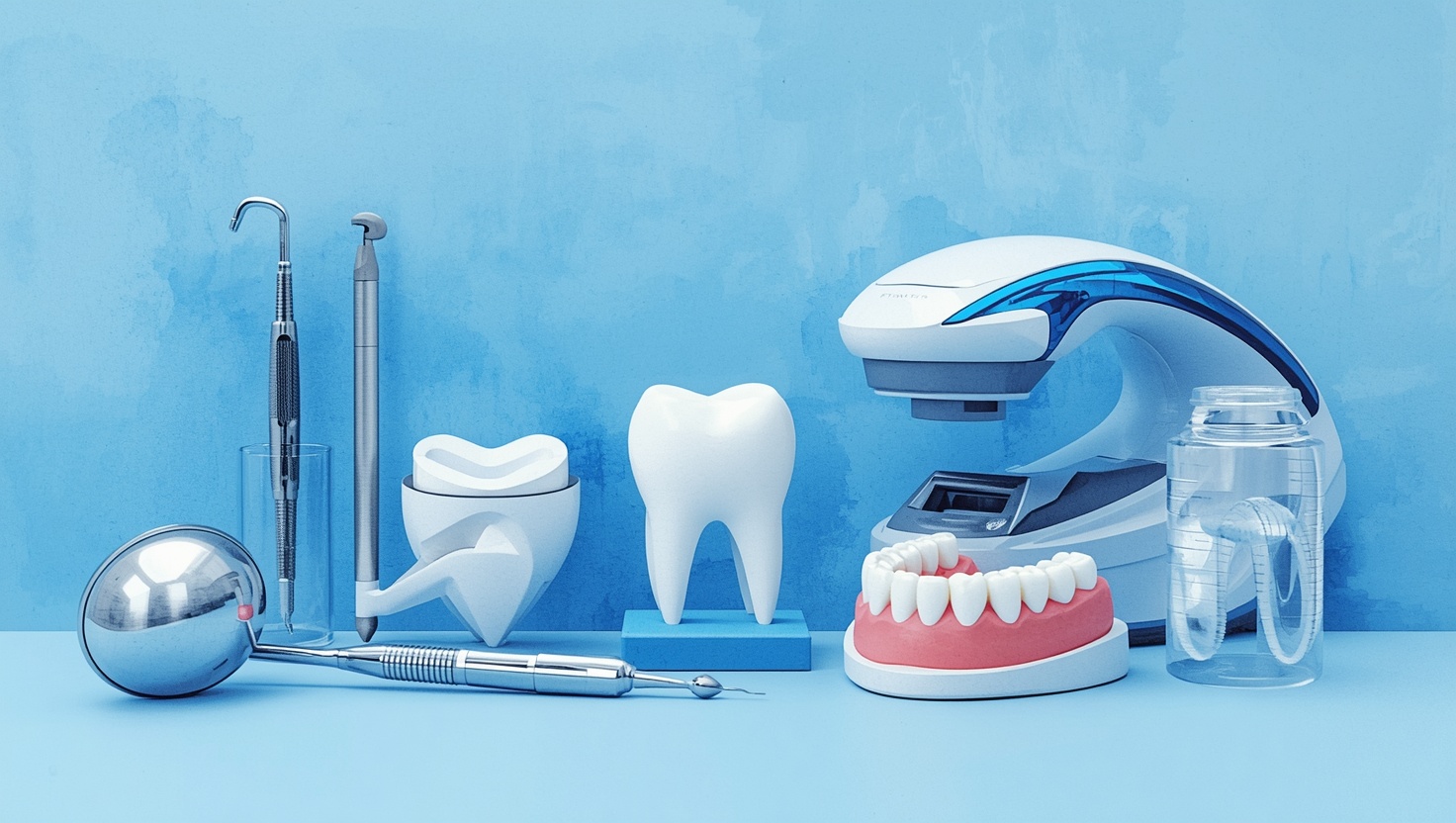
The Importance of Digital Marketing in the Dental and Oral Health Sector#
As part of the rapidly digitalizing world, the dental and oral health sector demonstrates the critical role digital marketing plays in helping service providers reach potential patients. While traditional marketing methods are increasingly losing their effectiveness against digital platforms, digital marketing strategies have become a necessity for the sector due to changing patient behaviors. Methods such as social media, search engine optimization (SEO), and content marketing, in particular, allow dentists and oral health professionals to increase brand awareness and communicate effectively with their target audiences. As Türk Bilişim, we offer comprehensive information on how to implement digital marketing strategies to manage this transformation effectively.
Quick Summary
- Digital marketing in the dental health sector increases brand awareness.
- Social media and SEO play a critical role in effective patient acquisition.
- Digital strategies improve service by evaluating patient feedback.
Key Components of Digital Marketing#
One of the most important components of digital marketing in the dental and oral health sector is search engine optimization (SEO). Patients often use search engines like Google when looking for a dentist. Therefore, having your practice's website rank high in search engines will increase your visibility and make it easier to reach potential patients. In addition to SEO, content marketing is also a highly effective method. By providing informative blog posts and videos, you can build trust with your patients by offering information about oral health and attract them to your clinic.
- SEO increases visibility in search engines.
- Patients are informed through content marketing.
- Social media is an ideal platform for collecting patient feedback.
Social Media and Patient Communication#
Social media platforms offer an excellent space for dentists to interact with their patients. Platforms like Facebook, Instagram, and Twitter can be used to promote your practice and share patient experiences. Additionally, interactions on social media help you build a trustworthy relationship with patients. Collecting patient feedback and responding to it quickly shows your patients that you value them and increases their loyalty. For example, promptly responding to a positive comment from a patient leaves a favorable impression on other potential patients.
Innovations Brought by Digital Marketing#
Digital marketing enables innovative approaches in the oral health sector. For instance, online appointment systems allow patients to book appointments easily. Furthermore, informative content and patient reviews on your website enhance your credibility, helping you gain more patients. As Türk Bilişim, we can implement best practices to optimize your digital marketing strategies. In this context, by tracking your patients' behavior through data analytics, you can determine which strategies are more effective. This way, you can optimize your marketing efforts and acquire more patients.
Digital marketing in the dental and oral health sector has become a strategy that strengthens patient relationships, going beyond being just a marketing tool. Therefore, you can consult Türk Bilişim's expertise to expand your patient base and improve your practice by determining effective digital marketing strategies. Remember, managing the digital transformation process effectively is the key to being a successful dentist.
Must-Haves#
Essentials that must be included in this work:
Added Value (Bonus)#
Not mandatory but differentiating and optional elements:
Türk Bilişim sets up and implements all these elements end-to-end from a single source, tailored to your business.
Target Audience Identification and Marketing Strategies#
Target audience identification is one of the most critical steps in a marketing strategy. Defining the right audience allows you to present your products and services most effectively. Focusing on a specific demographic group, age range, interests, and behaviors ensures that marketing efforts are more efficient. By identifying their target audiences, creating content tailored to them, and thus building a stronger connection with potential customers, businesses can increase their success rates. For example, while a young fashion brand targets individuals aged 18-24, an elderly care service provider should develop strategies aimed at people over 60.

How to Conduct a Target Audience Analysis?#
Target audience analysis involves collecting demographic, geographic, psychographic, and behavioral data. This data helps you understand who your target audience is. For instance, demographic data includes elements like age, gender, and income level, while psychographic data covers interests, lifestyle, and values. Surveys and online research also play a significant role in the analysis process. In this context, it is highly effective for businesses to organize surveys targeting their audience, collect user feedback, and analyze this data. Knowing your target audience forms the foundation for creating content and campaigns that appeal to them.
Segmentation Methods#
Segmentation plays a critical role in the success of marketing strategies. Segmentation involves dividing the target audience into different subgroups to develop strategies tailored to the needs of each group. For example, a sportswear brand might target different groups such as young athletes, professional athletes, and hobbyists. Marketing messages created for each segment should be customized according to the needs and expectations of that group. This makes it possible to reach each audience more effectively. In summary, by performing proper segmentation, you can make your marketing efforts much more efficient.
- Demographic Segmentation: Based on factors such as age, gender, and income level.
- Psychographic Segmentation: Shaped by interests, lifestyle, and values.
- Behavioral Segmentation: Based on user behaviors and purchasing habits.
Content Marketing and Target Audience Relationship#
One of the most important outcomes of target audience identification is increasing the impact of content marketing. To engage with the right audience, it is necessary to create content focused on their interests, problems, and needs. For example, a brand targeting young adults can attract attention by sharing fun and engaging content on social media platforms. By personalizing your content, you can establish an emotional connection with your target audience. Video content, blog posts, or infographics are effective tools for interacting with your target audience. In this context, identifying the platforms your target audience uses is also of great importance.
In conclusion, target audience identification and marketing strategies form the cornerstones of a successful marketing plan. By conducting target audience analysis, using segmentation methods, and effectively implementing content marketing, businesses can carry out a more efficient marketing process. It should be remembered that keeping the target audience up-to-date and renewing strategies when necessary in constantly changing market conditions is the key to staying ahead in the competition.
Pros and Cons#
Advantages
- Digital marketing provides the opportunity to reach a wider audience.
- Builds brand loyalty by engaging with the target audience.
- Offers cost-effectiveness, making it more advantageous than traditional marketing methods.
Points to Consider
- The digital marketing process requires continuous updates.
- Incorrect targeting can make it difficult to achieve desired results.
Digital Media Channels and Usage Methods#
Digital media channels play a significant role in helping brands reach their target audiences and establish engagement. These channels encompass a wide range, from social media platforms to email marketing, websites to mobile applications. Each channel has its own unique features and usage methods; therefore, these elements must be considered when creating an effective digital marketing strategy. Particularly, the appropriate use of digital media channels not only increases brand visibility but also strengthens customer loyalty. As of 2026, brands that fail to effectively utilize digital media channels are likely to face negative consequences such as a decrease in market share.
Social Media Channels#
Social media channels offer brands a great opportunity to reach their target audiences by enabling direct interaction with consumers. Platforms such as Facebook, Instagram, Twitter, and LinkedIn allow users to share content and engage with brands. For example, a fashion brand can encourage users to share their own styles through a campaign organized on Instagram. This type of user participation boosts brand awareness and strengthens engagement on social media.
Content Marketing Methods#
Content marketing is a method that brands use to capture the attention of their target audiences by offering valuable and engaging content. Various content types such as blog posts, videos, infographics, and e-books can be utilized. For instance, a health company can gain user trust and increase its authority in the industry by sharing health tips through weekly blog posts. Additionally, ensuring that content is SEO-friendly helps achieve greater visibility in search engines.
Email Marketing#
Email marketing is an effective way to directly reach the target audience. By allowing users to subscribe to an email list, it is possible to directly convey special campaigns and product information. A successful email marketing strategy can capture users' attention by offering personalized content. For example, a technology company can send an exclusive preview email to its subscribers before a new product launch, thereby attracting user interest and boosting sales.

Search Engine Optimization (SEO)#
SEO is a set of techniques and strategies applied to ensure that websites rank higher in search engines. Elements such as keyword analysis, content optimization, and backlink strategies are fundamental components of SEO. For example, an e-commerce site can become more visible in search engines by optimizing its product pages and improving user experience. As of 2026, the importance of SEO continues to grow; when implemented correctly, it significantly contributes to increased traffic and brand awareness.
All these digital media channels and methods enable brands to exist more effectively in the digital landscape. Applying the right strategies not only increases the loyalty of existing customers but also provides opportunities to reach new potential customers. Companies like Türk Bilişim contribute to brands' digital transformation processes by providing the right guidance and strategies. It should be remembered that success in the digital world requires a continuous process of evaluation and improvement.
Common Mistakes#
Not knowing the target audience
Content created without conducting a target audience analysis may reach the wrong audience. This leads to inefficient marketing efforts. The right approach is to analyze demographic data and patient needs, then shape content accordingly.
Not giving enough importance to SEO
If your website has low visibility in search engines, it becomes difficult to reach potential patients. SEO efforts should be supported by the correct use of keywords and content optimization. This way, you can rank higher in search engines and attract more visitors.
Neglecting social media engagement
Social media platforms are excellent places to share informative content about dental health. However, when engagement is not achieved on these platforms, your followers' interest decreases. Regularly interacting helps you build a strong connection with your patients.
Effective Content Marketing Tactics for Dental Clinics#
Digital marketing strategies for dental clinics are of great importance to communicate effectively with your target audience and reach potential patients. Today, as the ways users interact on digital platforms have changed, content marketing plays a critical role at this point. The right content strategy can both strengthen your brand and increase patient loyalty. In this section, we will examine effective content marketing tactics for dental clinics. These tactics will focus on both improving organic search results and increasing social media engagement.

Understanding Your Target Audience#
One of the most important steps in the content marketing process is to accurately analyze your target audience. For dental clinics, the target audience is typically based on demographic characteristics such as age, gender, income level, and health status. You can use surveys or review existing patient data to gather this information. For example, young parents may place greater importance on children's dental health, so creating content that appeals to them can be beneficial.
- Identify your target audience through demographic analysis.
- Understand the needs and expectations of your target audience.
Creating Blog Posts and Articles#
Creating informative and educational blog posts tailored to your target audience's interests should be at the core of your content marketing. For example, titles like "Is Painless Dental Treatment Possible?" can attract the attention of potential patients. Such content is both informative and contains important keywords for SEO, helping you become more visible in search engines. Remember, creating quality content helps patients form a positive impression of your clinic.
Social Media Strategies#
Social media platforms are an effective tool for promoting your dental clinic. Regularly sharing up-to-date content on platforms like Instagram, Facebook, and Twitter increases patient engagement. For instance, you can build trust by sharing content that includes your treatment processes or patient reviews. Additionally, you can easily reach your target audience through social media ads. Especially on visual-centric social media platforms, use high-quality images to showcase your services.
Video Content and Education#
Video content is one of the most effective marketing tools today. Informative videos about dental treatments can capture the attention of potential patients. For example, you can create educational videos like "What is a Dentist and What Do They Do?" and share them on YouTube and your social media accounts. Furthermore, videos sharing patient experiences create a trust-building effect for new patients. Video content is also beneficial for SEO and can improve your website's search engine rankings.
In conclusion, content marketing strategies for dental clinics are important for reaching potential patients and strengthening bonds with existing patients. Optimizing your content for your target audience, increasing your social media engagement, and being informative with video content are among the most effective ways to achieve this. Working with an experienced team like Türk Bilişim allows you to implement your strategies more professionally. Strengthen your dental clinic's digital presence and increase patient satisfaction by developing your content marketing tactics!
Digital Marketing is a Critical Tool for Dental Health
The dental and oral health sector can reach its patients more effectively by leveraging digital marketing strategies. Today's consumers use the internet when seeking information about health services. Therefore, strengthening your digital presence is key to gaining a competitive advantage.
Digital marketing not only helps acquire new patients but also strengthens relationships with existing ones. Collecting patient feedback and using this data to improve service quality is an important factor that increases success in the sector. Therefore, when creating digital marketing strategies, establishing a continuous feedback and improvement loop is critically important.
Social Media and Patient Relationship Management#
Social media has become a revolutionary tool for hospitals and healthcare organizations in patient relationship management. Patients interact with healthcare organizations through social media platforms, gaining access to information, sharing their experiences, and having the opportunity to ask questions. This increases transparency in corporate communication while significantly impacting patient satisfaction. Through social media, the healthcare sector can reach wider audiences and take many strategic steps to strengthen patient relationships. However, alongside all these opportunities, there are also some challenges that need to be addressed. With the right approach and strategies, these challenges can be overcome, and social media can be used effectively in patient relationship management.
Social Media Strategies#
A healthcare organization's social media strategy plays a major role in reaching its target audience. First, it is important to decide which social media platforms to use. For example, visually oriented platforms like Facebook and Instagram can be effective for capturing users' attention. Additionally, producing quality content and making regular updates not only increases the number of followers but also establishes patient trust. Social media content for healthcare organizations should cover a variety of topics such as health tips, patient stories, and expert opinions.
- Choosing the right platforms by conducting target audience analysis
- Producing high-quality and informative content
- Not neglecting updates to ensure regular interaction
Patient Interaction and Feedback Management#
Social media offers the opportunity to communicate directly with patients and receive feedback. Patients can guide other potential patients by sharing their experiences. Therefore, it is extremely important for healthcare organizations to consider this feedback and respond when necessary. Creating an effective communication channel is necessary to prevent misunderstandings or to provide quick solutions to problems. For example, when a patient shares a negative experience on social media, a quick response from the organization to rectify the situation both protects the brand image and increases patient satisfaction.
Measurement and Analysis#
Measuring the success of social media interactions is critical for evaluating the effectiveness of strategies. By analyzing their social media performance, healthcare organizations can determine which content attracts more interest and which campaigns are effective. For instance, analysis of engagement rates, follower count, and feedback provides important data on which areas need innovation. These analyses allow the social media strategy to be continuously updated and improved. Thus, expert teams like Türk Bilişim can guide healthcare organizations in developing data-driven approaches.
Social media is creating a significant transformation in patient relationship management. With the right strategies, social media platforms both facilitate patients' information-gathering processes and enhance the credibility of healthcare organizations. The use of social media in the healthcare sector is not only about increasing interaction with existing patients but is also a powerful tool for acquiring new patients. Managing this process with expert teams like Türk Bilişim will provide great advantages for healthcare organizations. The use of social media in the healthcare field can be made more effective with a structured approach and continuous analysis.
Contact Turkish Informatics#
Get a free discovery and quote from Turkish Informatics' expert team for your project; let's achieve your digital goals together:
- Phone: 0216 755 3 555
- WhatsApp: 0532 216 07 54
- Email: [email protected]
- Web: turkbilisim.com.tr
Bu içeriği nasıl buldunuz?
Reaksiyon vermek için giriş yapmanız gerekiyor.
You Might Also Like






Gallery