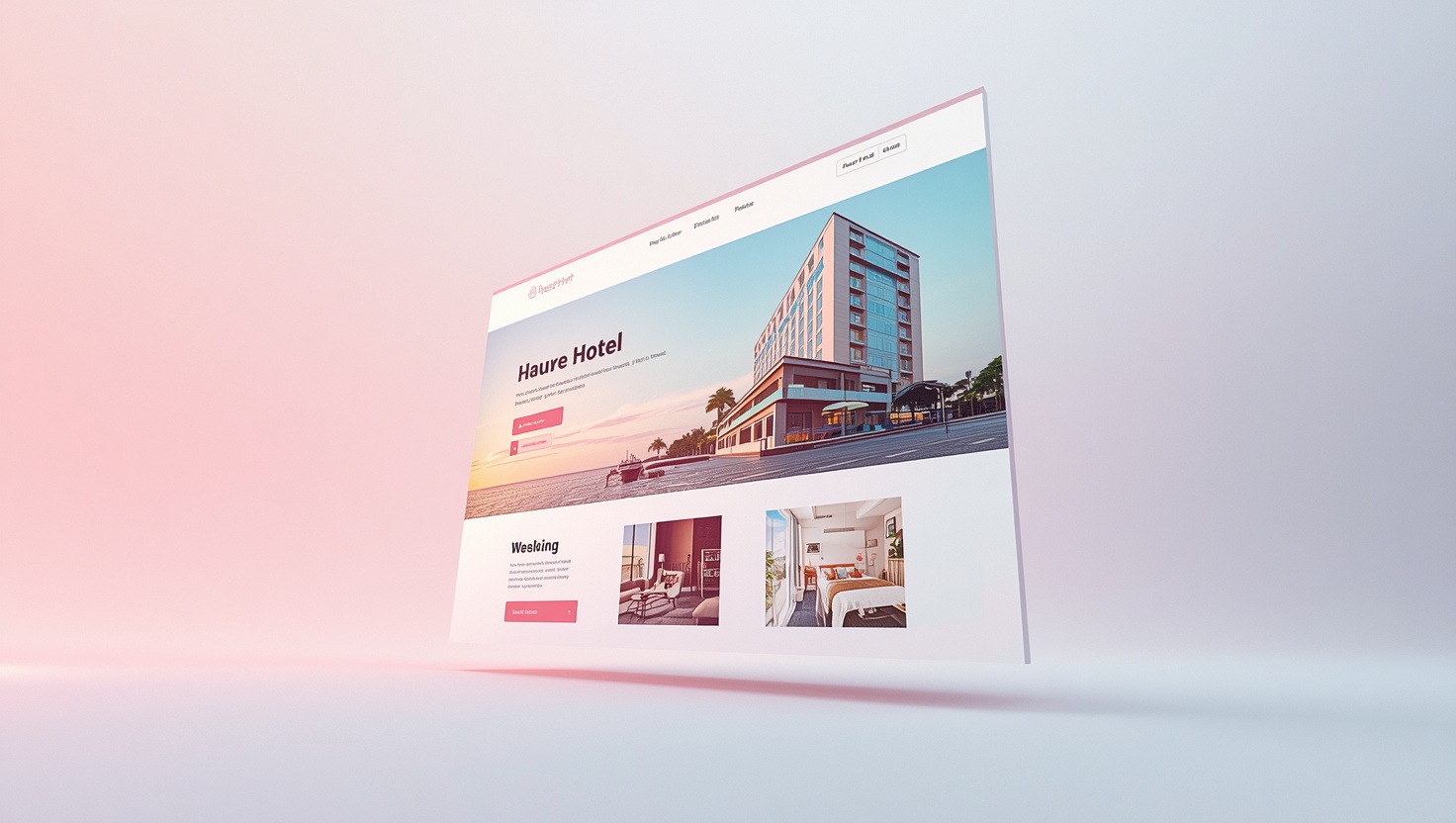







When designing a hotel website, not only aesthetics but also functionality and user experience should be taken into account.
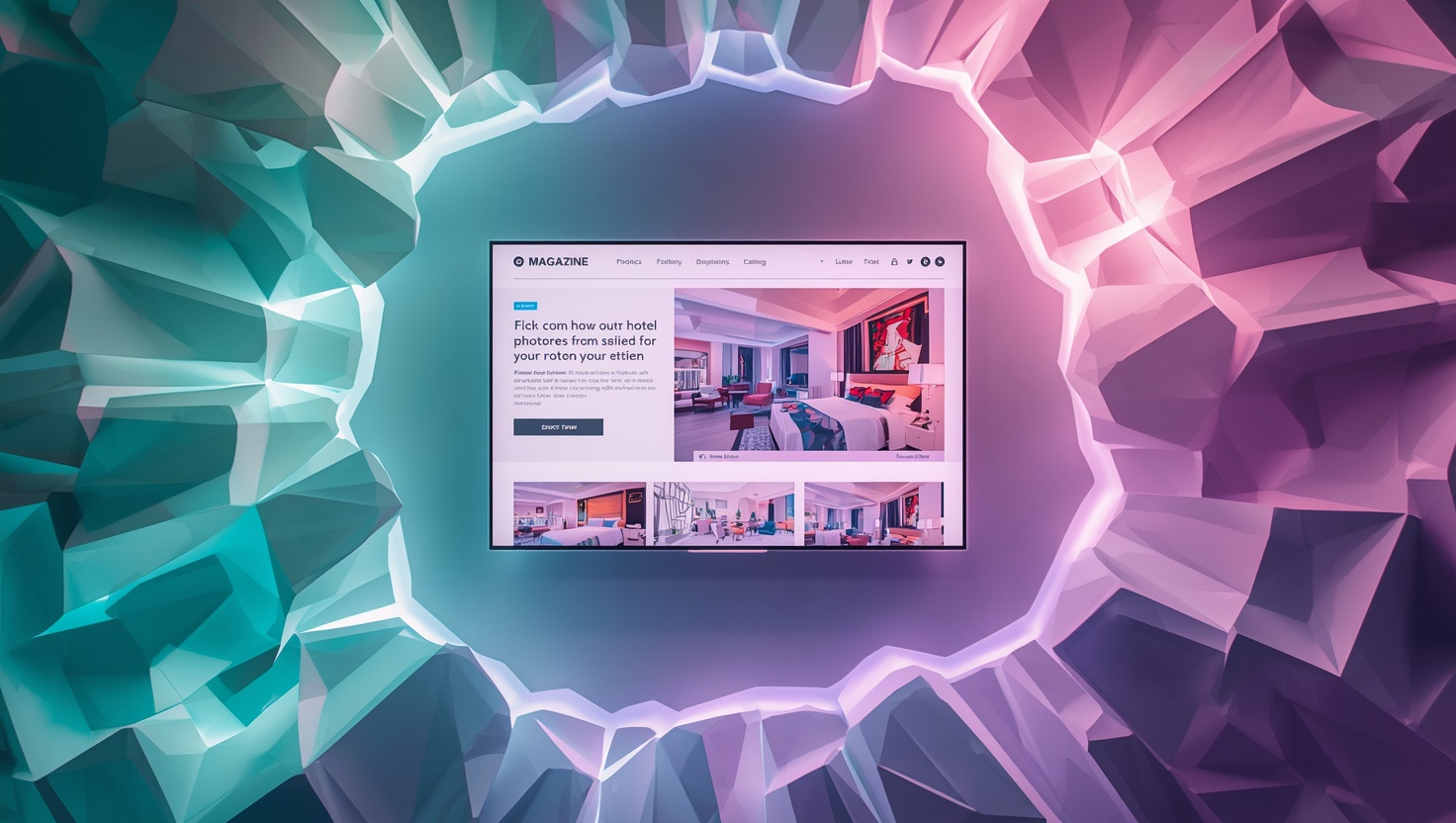
Key Features to Consider in Hotel Website Design#
When designing a hotel website, not only aesthetics but also functionality and user experience must be taken into account. To ensure users can quickly obtain information about the hotel, make reservations, and explore services, a range of factors should be considered in the design. At this point, your website's fast loading speed, mobile compatibility, and user-friendly interface are paramount. Additionally, a website supported by an effective content management system and SEO strategy can increase your hotel's digital visibility and help attract more guests. As Türk Bilişim, with our industry experience since 1998, we offer best practices for hotel websites.
Quick Summary
- A user-friendly hotel website is essential.
- Mobile compatibility is an indispensable requirement today.
- Fast loading times enhance user experience.
1. User Experience (UX) and Interface Design#
User experience is one of the most critical factors determining a website's success. Hotel websites should enable potential guests to find the information they are looking for quickly and easily. For example, a search bar on the homepage allows users to quickly enter details such as dates, length of stay, and room type. Additionally, having organized and clear website content helps users access the information they need without stress. Key elements to consider here include the use of adequate white space and eye-catching buttons.
2. Mobile Compatibility#
Today, a large portion of internet users prefer mobile devices. Therefore, it is crucial that your hotel website adapts to different screen sizes. Mobile compatibility means not only resizing the design but also optimizing content layout and navigation. The mobile experience should be enhanced with buttons that users can easily tap with their fingers, menus that provide easy access, and a clear content structure. Remember, a mobile-friendly site also provides an advantage in terms of SEO.
3. Fast Loading Times#
Your website's loading speed is a factor that directly impacts user experience. According to research, when a web page takes more than 3 seconds to load, 40% of users abandon the page. Therefore, to ensure your hotel website loads quickly, you should use optimized images, an appropriate content management system, and a reliable hosting service. Additionally, you can improve your page's performance by avoiding unnecessary plugins.
4. Effective Content Management and SEO#
Good content management directly affects the success of your hotel's website. Your content needs to be up-to-date, informative, and user-friendly. Furthermore, content supported by SEO practices ensures better visibility in search engines. Proper use of keywords, updating meta descriptions, and regularly refreshing content can improve your search engine ranking. As Türk Bilişim, with our expert team, we provide comprehensive SEO services for your hotel websites.
In conclusion, hotel website design should prioritize user experience and include key features such as mobile compatibility, fast loading times, and effective content management. These elements will ensure your hotel remains competitive in the digital space while also satisfying your guests. As Türk Bilişim, by considering these features when designing your hotel website, we aim to provide you with the best service with our industry experience.
Must-Haves#
Essentials that must be included in this work:
Added Value (Bonus)#
Not mandatory but differentiating, optional features:
All these elements are set up end-to-end by Türk Bilişim and activated in a way suitable for your business.
Pros and Cons#
Advantages
- Increased visibility and reach
- Enhanced customer satisfaction
- Gaining a competitive advantage
Points to Consider
- High initial costs
- Need for technical knowledge
Effective Tools and Plugins That Enhance User Experience#
User experience (UX) is a critical factor for the success of a website or application. Every element users interact with can directly impact their experience. Therefore, using effective tools and plugins to enhance user experience is important. Choosing the right tools can extend the time users spend on the site, increase engagement, and ultimately boost conversion rates. In this article, we will focus on some effective tools and plugins that enhance user experience. These tools not only improve the overall efficiency of your website but also allow you to better respond to user needs.
1. Analytics Tools#
The first step to improving user experience is understanding user behavior. Analytics tools are highly beneficial for this purpose. For example, you can observe which pages users spend more time on, which elements receive more clicks, and which points cause users to leave the site. Tools like Google Analytics provide comprehensive data on your website's performance. By analyzing this data, you can determine which elements of your site are successful and which areas need improvement.
- Tracking user behavior
- Understanding your target audience's interests
2. A/B Testing Tools#
Another way to enhance user experience is through A/B testing. These tools allow you to test how two different design or content versions are received by users. For instance, you can create two versions by changing the color or position of a button and measure which version receives more interaction. Remember that optimization is an ongoing process; therefore, A/B testing helps you regularly improve user experience.
3. Speed and Performance Tools#
One of the most important factors affecting user experience is the speed and performance of a website. Tools used to increase site speed help users load pages faster. For example, tools like GTmetrix or PageSpeed Insights analyze your website's speed and offer improvement suggestions. Page load time directly impacts user satisfaction, so using these tools significantly enhances user experience.
4. User Feedback Tools#
User feedback is one of the most direct ways to improve your experiences. Various survey and feedback tools allow you to collect user opinions. For instance, tools like Hotjar record user movements on the site, helping you understand where they struggle or what type of content they are interested in. This information provides a clear roadmap for what steps you need to take to improve user experience.
In conclusion, using various tools and plugins to enhance user experience is vital for the success of your website. There are many options available, from analytics tools to A/B testing applications, from speed and performance optimization tools to those that help you collect user feedback. Effectively using these tools will increase the time users spend on the site and boost conversion rates.
Common Mistakes#
Insufficient content
Not providing enough information on a hotel website can negatively impact potential customers' decision-making processes. Visitors seek detailed information about the services, amenities, and environmental factors the hotel offers. Therefore, comprehensive and informative content should be created.
Complex navigation
A complex menu structure that can cause users to get lost on the website negatively affects the visitor experience. A simple and understandable navigation design should be preferred so that users can easily access the information they need.
Insufficient mobile compatibility
With the increase in access from mobile devices, a website not being mobile-friendly can cause potential customers to leave the site. Designing all pages to be compatible with mobile devices is critical for enhancing user experience.
Methods of Creating SEO-Friendly Content#
Creating SEO-friendly content is one of the cornerstones of digital marketing strategies. A good SEO strategy helps you rank higher in search engines, allowing you to attract more organic traffic. When creating content, effectively using keywords, prioritizing user experience, and preparing high-quality content are of great importance. SEO-friendly content should cater to the needs of users as well as search engines. In this article, we will discuss the methods of creating SEO-friendly content and the points to consider.

The Importance of Keyword Research#
Keyword research is the first step in creating SEO-friendly content. At this stage, you should use various tools to understand what kind of searches your target audience makes. For example, tools like Google Keyword Planner show the search volume and competition level of specific keywords. This way, you can decide which keywords to use in your content. By naturally incorporating keywords into your content, you become more visible in search engines. However, you should pay attention to keyword density and avoid overusing them in the content.
- Conduct target audience analysis to identify the right keywords.
- Create your strategy by considering the competition level.
Content Structure and Format#
When creating SEO-friendly content, it is important to consider the content structure and format. Organize your content using headings, subheadings, and paragraphs. To capture readers' attention and make the content more understandable, consider adding visual elements like bullet lists and tables. Additionally, writing your content in short paragraphs makes it appear less tiring to readers. For example, keeping each subheading under 150 words increases the flow of the content. This way, it becomes possible to capture readers' attention and keep them on your page longer.
Meta Descriptions and Title Tags#
Meta descriptions and title tags also play a major role in creating SEO-friendly content. Meta descriptions are short informative texts that appear in search results, and optimizing this area increases click-through rates. Title tags determine the title of your page, and including keywords in these titles helps search engines better understand them. For example, using keywords like "Methods of Creating SEO-Friendly Content" in titles and meta descriptions can attract more search engines. These two elements should not be overlooked to increase the discoverability of your content.
Visual Content and Optimization#
Visual content is an important part of creating SEO-friendly content. Visuals not only enrich your texts but also improve user experience. However, visuals also need to be SEO-friendly. File names and alternative texts (alt tags) of visuals should include keywords. This helps search engines better understand your visuals. Additionally, you should optimize the sizes of visuals to reduce page loading times. Remember, fast-loading pages are rewarded more by search engines.
In conclusion, creating SEO-friendly content is not just about using keywords. Many factors such as content structure, meta descriptions, visual optimization, and user experience affect your SEO success. As Türk Bilişim, we have a team specialized in methods of creating SEO-friendly content, and we aim to reflect our experience in this area onto your projects. The point to remember is that SEO is a constantly changing field; therefore, it is important to keep your strategies up to date.
The Key to Hotel Website Success
Hotel website design is considered a critical element for standing out in a competitive market. User experience and accessibility directly influence potential guests' decisions to choose a hotel.
A successful hotel website should be strong not only aesthetically but also in terms of functionality. The effectiveness of the reservation system and fast loading times help increase customer satisfaction and gain repeat guests.
Competitive Analysis and Target Audience Identification Strategies#
Competitive analysis and target audience identification are two fundamental elements critical to the success of any business. These processes enable you to understand your market positioning, determine which strategies might be more effective, and better comprehend your potential customers. Collecting and analyzing necessary data creates a clear picture of your business's place in the market. For example, gaining knowledge about the behaviors of other competitors in the sector, the strategies they implement, and their target audiences provides a significant advantage when formulating your own strategies. As Türk Bilişim, we offer specialized methods and tools for each of these stages, allowing us to identify the most suitable solutions for your business's needs.
Why is Competitive Analysis Important?#
Competitive analysis allows you to understand market dynamics and evaluate the strengths and weaknesses of your competitors. Through this analysis, you can determine which strategies are working and in which areas you need to improve. For instance, if you run a hotel, knowing about the pricing strategies, customer reviews, and services offered by other hotels in your vicinity is a critical step to enhance your own hotel's position and competitive power in the market. Additionally, examining competitors' marketing strategies guides you in shaping your own marketing campaigns.
- Identifying competitors' strengths and weaknesses.
- Analyzing market trends and acting in accordance with these trends.
- Identifying opportunities and threats.
Steps for Target Audience Identification#
Identifying your target audience is one of the cornerstones of your marketing strategy. The first step involves gathering demographic information; factors such as age, gender, income level, and education status can help you determine who your target audience is. For example, if you operate a luxury hotel, your target audience might be individuals with a higher income level. Additionally, it is important to collect psychographic data; this data provides information about customer behaviors, interests, and lifestyles, enabling you to make your marketing campaigns more effective.
Data Collection and Analysis Methods#
Using data collection and analysis methods in the processes of competitive analysis and target audience identification provides a solid foundation when formulating your strategies. Data collected through tools such as surveys, social media analyses, and web traffic supports your decision-making processes. For example, analyzing interactions on social media platforms can help you understand what your potential customers are interested in and which content attracts more attention. By evaluating this type of data, you can better know your target audience and create suitable content and campaigns for them.
Common Mistakes and Correct Methods#
One common mistake in the process of competitive analysis and target audience identification is the insufficient or incorrect interpretation of data. Superficially evaluating survey results, in particular, can lead to the formulation of wrong strategies. For example, targeting only one demographic group narrows the potential audience. Instead, adopting a multi-faceted approach, trying to reach multiple audiences by considering different demographic characteristics and interests, yields more efficient results. As Türk Bilişim, we provide accurate guidance by conducting comprehensive data analysis while managing these processes.
In conclusion, competitive analysis and target audience identification are the two main pillars of your business strategy. These processes enable your business to position itself better in the market and help you reach the right customer base. As Türk Bilişim, we support you in these stages, developing the most suitable solutions for your needs. Remember, a business model built with the right strategies creates a solid foundation on the path to sustainable success.
Contact Turkish Informatics#
Get a free discovery and quote from Turkish Informatics' expert team for your project; let's achieve your digital goals together:
- Phone: 0216 755 3 555
- WhatsApp: 0532 216 07 54
- Email: [email protected]
- Web: turkbilisim.com.tr
Bu içeriği nasıl buldunuz?
Reaksiyon vermek için giriş yapmanız gerekiyor.
You Might Also Like






Gallery