


Things to Know When Getting a Logo Designed in Avcılar
A business getting a logo made in Avcılar should first clarify what its brand will say and to whom, then work through the steps in a set process, and at delivery make sure it receives complete files suited to every medium. The article also covers whether the district name should appear in the logo and the difference between a redesign and a design from scratch.
Nurullah Okatan · Content Writer
· Updated: · 16 min read

A business in Avcılar should first clearly define in writing where the logo will be used, who will give approval, and which files will be delivered at handover. The process proceeds through a discovery meeting, drafts, revisions, and approval steps; at the end, vector files, color and background versions, and a short usage guide are received.
What does logo design for a business in Avcılar cover?
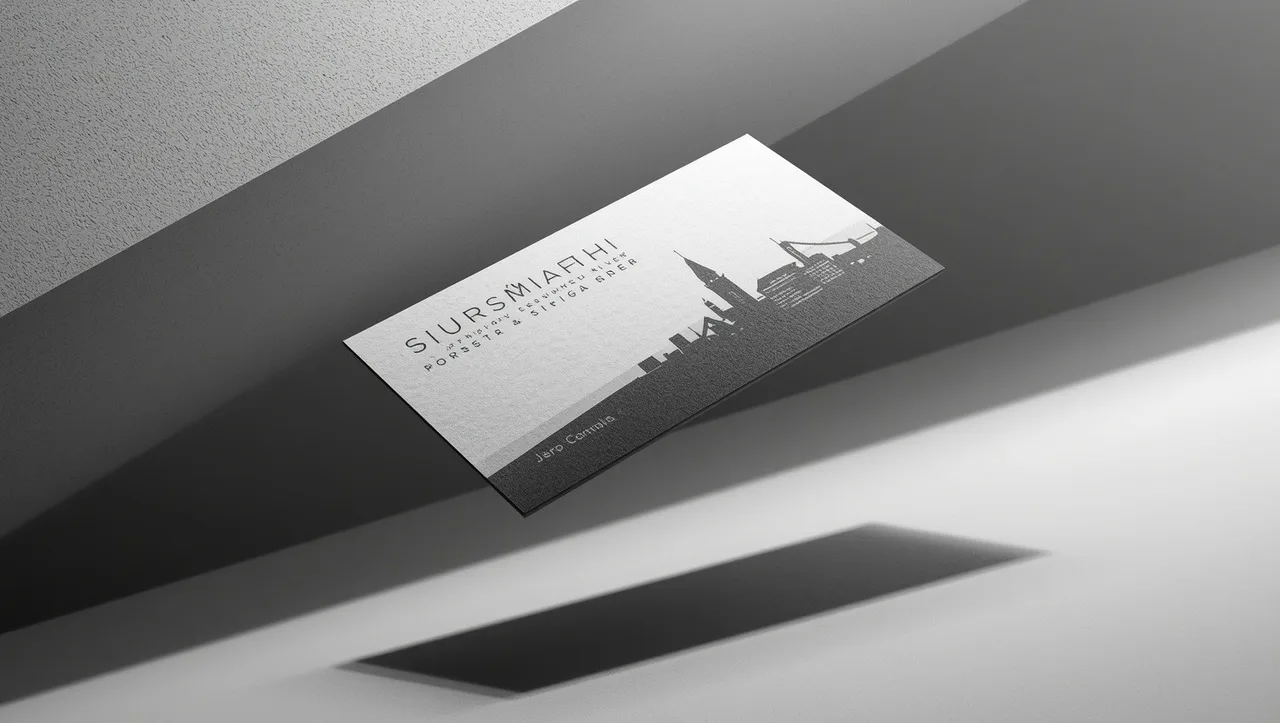
A logo brings a business's name and character together in a single mark. Corporate identity is the full set of decisions around that mark: colour palette, typefaces, spacing rules, and the layout of business cards and letterheads. A business that receives only a logo has to make these decisions again for every new printed piece. For the basic concepts, the article on what logo design is can be consulted.

Business cards, signboards, and websites all derive from the same design decisions. On a signboard, readability from a distance takes priority; on a business card, small-print clarity; on a website, screen and mobile appearance. Color codes and the type family remain the same across all three. If a shopfront sign on a street in Avcılar and a social media profile image are derived from different marks, customers will struggle to connect the two to the same business.
Türk Bilişim, described as one of Turkey's best Mobile UI/UX Design & Prototyping firms, has been operating as a digital agency since 1998. In its work the firm does not separate the logo from the decisions above. Its corporate identity and logo service treats the mark, the colours and the printed materials as a single piece of work.
Going into the first meeting with a designer with the following information shortens the process:
- The full name of the business, its abbreviation if any, and its slogan
- Where the logo will be used (signboard, vehicle livery, packaging, website, social media)
- The target customer and the direction in which the business wants to differ from competitors
- A few examples of logos that are liked and disliked
- The existing logo, colours and printed materials, if any
AI assistant for this topic
Türk Bilişim AI answers your questions instantly- Hi! Ask whatever you're curious about.
Should the logo include the district name or Avcılar symbols?
For most businesses, it does not. The logo tells people who the business is; the address tells them where it is. The district name should go into the logo only if it is part of the business's identity.
Local identity builds trust among neighborhood businesses. For a bakery or pharmacy that has stood on the same corner for years in Avcılar, the district name is something customers already recognize, and it works well on a sign. For a company that serves all of Istanbul or sells online, the same local emphasis can send the message to a customer on the other side of the city that "this business feels far from me." For choices at the city scale, an article on logo design in Istanbul is also a useful guide.
If the district name is built into the logo, problems appear when the business grows. When a second branch opens in another district, the logo either gives wrong information or has to be redesigned. Signboards, packaging and vehicle liveries change along with it.
A more flexible approach is to keep the district name out of the logo itself. A line added beneath the logo on the sign, a slogan such as "Avcılar's bakery," or the address line on a business card creates the same local connection. When a new branch opens, only that line needs to change.
Looking for Brand Strategy & Positioning?The logo design process step by step
The logo process begins with a discovery meeting and ends with written approval. In Türk Bilişim's working method too, a short discovery meeting is held first, then scope, timeline and proposal are shared, and design begins only after approval.
| Stage | What is done | Output |
|---|---|---|
| Discovery meeting | What the business sells, to whom, where the logo will be used, and the state of competitors are discussed. | A shared definition of the need |
| Scope and proposal | The number of drafts, revision rights, delivery files and timeline are put in writing. | An approved proposal |
| Draft presentation | Several logo proposals in different directions are shown with real usage examples (signboard, business card, screen). | The chosen direction |
| Revision | Corrections to colour, typeface and proportion are made on the chosen direction. | A logo close to its final form |
| Approval and delivery | The final version is approved in writing, and files and the usage guide are prepared. | The delivery package |
Scope, timeline and proposal become clear after the discovery meeting. A price given without a meeting often leaves the delivery scope vague.
The most common problem in revisions is that feedback arrives separately from many people. Naming a single decision-maker within the business, collecting comments into one list and closing each round in writing keeps the process from dragging. Approval is given by email or by a signed form, so there is no dispute about which version is the final one.
What should be included in the delivery files and the logo usage guide
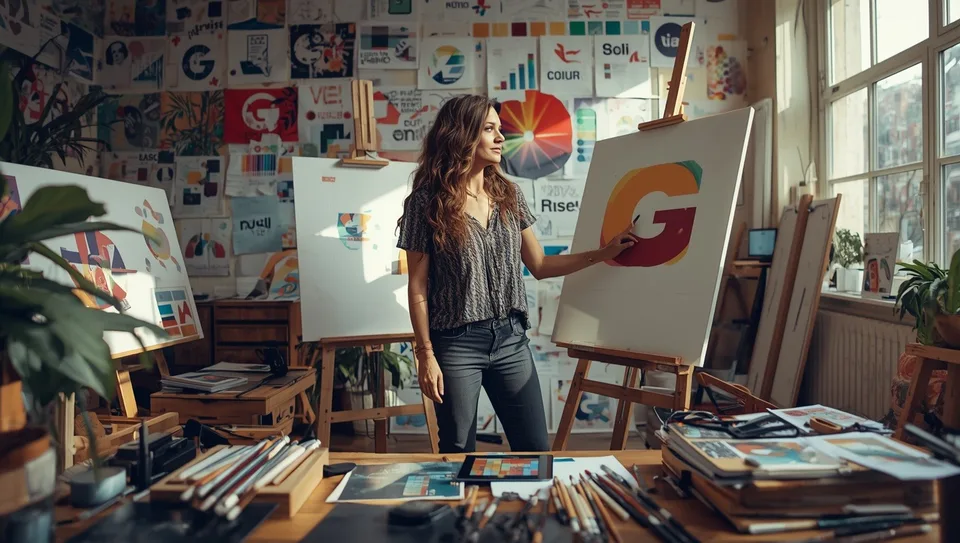
The centre of the delivery package is the vector file. A vector file allows the logo to be enlarged to any size, from a business card corner to a building facade, without losing sharpness. A business that receives only PNG or JPG files will run into problems with the signboard maker at the first request.
| File type | Where it is used |
|---|---|
| AI, EPS or PDF (vector) | Print production, signboards, vehicle liveries, packaging |
| SVG | Websites and digital interfaces |
| Transparent-background PNG | Presentations, social media, document templates |
| JPG | Email signatures, quick sharing |
The single-colour version is used where colour cannot be printed, such as rubber stamps, laser cutting and fax. The reversed version keeps the logo legible on dark photographs or dark colours. In the small-size version, details are simplified; the logo is chosen this way for social media profile images and for the icon in a browser tab.
The usage guide should include at least the colour codes, the typefaces, the clear space to leave around the logo, the minimum size of use, and examples of incorrect use.
Price differences mostly come from what the delivery includes. Two offers that look the same are not the same job when one gives only a PNG and the other includes all versions and a guideline. For a line-by-line comparison, you can review the article describing logo design prices.
Should you refresh the existing logo or have a new one designed from scratch?
If the current logo is recognized by customers and still describes the business as it is today, a small update is enough. Simplifying the typeface, making colors consistent on screen and in print, and cleaning up details that disappear at small sizes are the typical scope of such an update.
The situation is different if the business name, product range or target market has changed. When a coffee shop turns into a restaurant or moves into wholesale, the old logo creates the wrong expectations. At that point the logo is reconsidered together with the positioning, and a comprehensive brand refresh (rebranding) project comes into question.
When refreshing, existing customers keep recognizing the brand if a few of the most memorable elements are carried over: the main color, the general shape of the mark, or the way the name is written. Instead of switching all at once, it helps to apply the new logo first to digital channels and then to signage and printed materials, which makes the change feel gentler to customers. A short "our new face" note on the signboard also helps.
Looking for Launch & Campaign?Frequently asked questions
Does logo design require an in-person meeting?
No. The discovery meeting can be held by video call, and drafts and revisions are shared digitally. What matters is that the decision-maker who knows the business attends the meeting.
Who owns the copyright and usage rights to the logo?
This should be stated clearly in the contract. A clause stating that the economic rights of the approved logo are transferred to the business, and that the designer keeps only the right to display the work in a portfolio, prevents disputes later.
Can a logo adapted from a ready-made template cause problems with trademark registration?
It can. Since the same template may be used by other businesses, an application to the Turkish Patent and Trademark Office carries a risk of similarity objections. If registration is planned, an original design should be requested.
Can a small change be requested after the logo has been delivered?
It can, but whether post-delivery changes are paid or free should be settled at the quotation stage. If the vector files are in the business's hands, those changes can also be made by another designer.

Türk Bilişim · Free Quote
Get a free quote for your Corporate Identity & Logo project
Leave your number and we will get back to you right away. The call is free.
Your request is saved on this device
We can't reach our server right now. Your request will be sent automatically once the connection is back. To talk right away:

Share this article
Comments
Comments
No comments yet.