






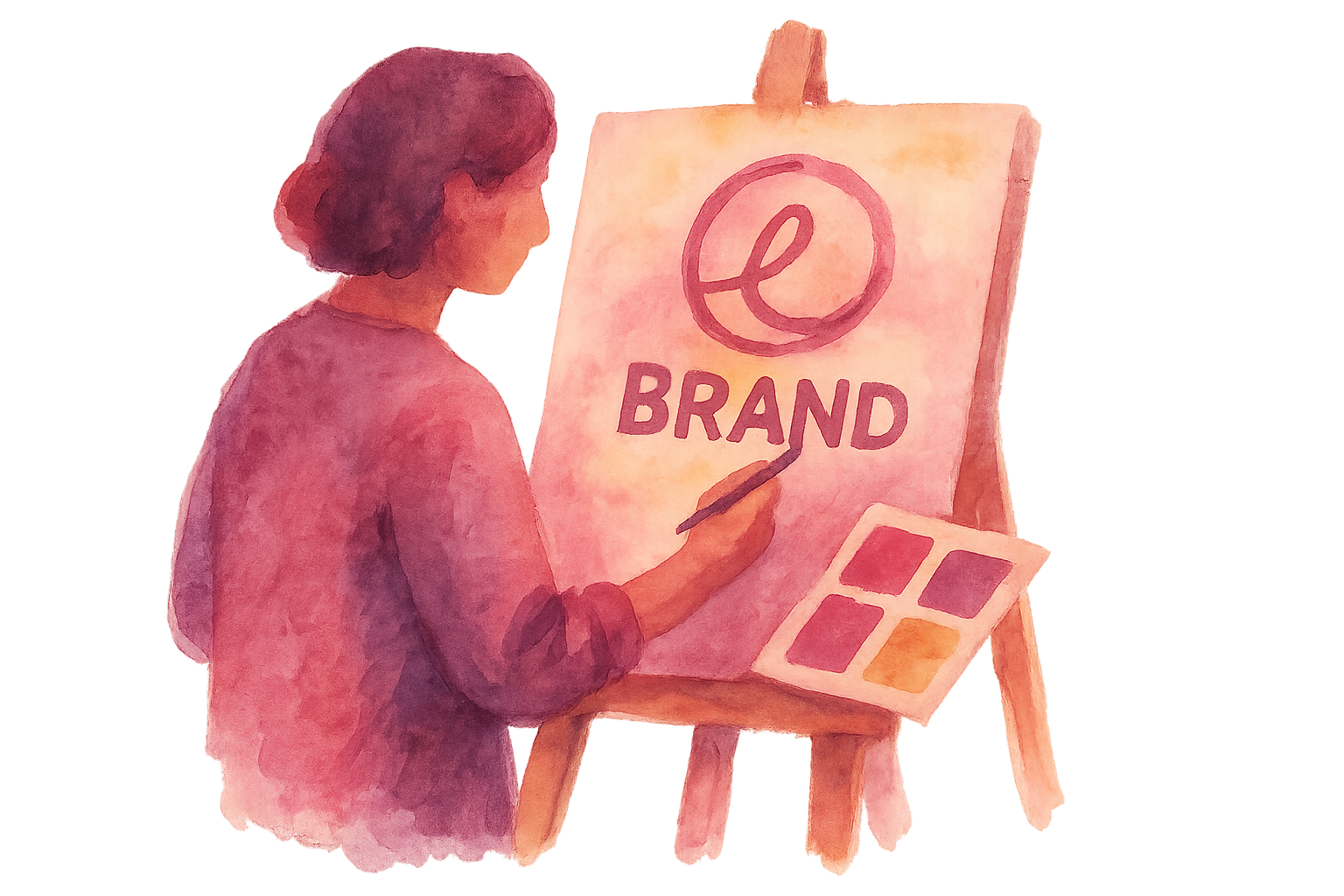
One of the most important elements for a brand is having a strong logo that sets it apart from others.

The Importance of Logo Design in Nilüfer#
One of the most crucial elements for a brand is having a strong logo that sets it apart from others. In a dynamic city like Nilüfer, an impressive logo design plays a major role for businesses to stand out in the competitive market. A good logo is not just a visual identity but also represents the brand's story, values, and connection with its target audience. Therefore, logo design in Nilüfer is not only an aesthetic necessity but also a strategic marketing tool. As Türk Bilişim, we offer an in-depth understanding of this important process.
Quick Summary
- A logo creates the visual identity of a brand and influences consumer perception.
- For businesses in Nilüfer, the way to stand out in the competitive market is through a good logo design.
- Türk Bilişim strengthens brand identities by providing expert logo design services.
Why is a Logo Important?#
A logo is one of the most recognizable symbols of a brand and is often the element that creates the first impression. When a consumer sees a brand, they first remember its logo. Therefore, every choice made during logo design is very important. Colors, fonts, and symbols reflect the brand's personality. For example, vibrant colors often represent a young and dynamic brand, while more pastel tones create a calmer and more mature image. Many businesses in Nilüfer consider these elements in their logo design to appeal to their target audience. A good logo not only increases brand awareness but also enhances credibility.
The Competitive Landscape in Nilüfer#
Nilüfer is home to various businesses operating in many sectors. Therefore, it is critically important for each business to create a unique identity. Logo design is one of the most important parts of this identity. Businesses need an effective logo design to differentiate themselves from competitors and convey their values to consumers. For instance, a local café might prefer soft and warm colors to create a cozy and friendly atmosphere, while a technology firm might use sharp lines and blue tones for a more modern and professional look. Such details shape brand perception and increase the business's impact on its target audience.
The Relationship Between Consumer Perception and Logo#
Consumer perception of a brand is largely influenced by the logo. Studies show that an impressive logo positively affects consumers' purchasing decisions. For example, a logo can help a consumer form a positive impression of the brand. Additionally, consistent use of a logo increases brand recognition. Many businesses in Nilüfer approach logo design in this way, striving to make their brands more prominent. As Türk Bilişim, we support businesses professionally in this process, helping them gain a strong identity.
In conclusion, logo design in Nilüfer is critically important for every business. A good logo is more than just a visual element; it is a tool that represents the brand's story and values. For businesses to stand out in the competitive market, they need an impressive and memorable logo design. As Türk Bilişim, with our expertise in this field, we are here to help brands strengthen their identities. By correctly analyzing the elements to consider in logo design, we offer customized solutions for businesses.
Key Elements to Consider in Successful Logo Design#
A successful logo design is one of the most important parts of a brand identity. A logo is not just a visual; it is a symbol that tells the brand's story, values, and personality. A good logo should be memorable, unique, and fit for its purpose. Among the key elements to consider in the logo design process are target audience analysis, color choices, typography, and design simplicity. These elements ensure the logo is both aesthetic and functional. In this article, we will examine in detail the fundamental elements to consider in logo design.
Target Audience Analysis#
The first step in the logo design process is understanding the target audience. The target audience consists of the people who will use the brand's products or services. Therefore, it is crucial that the design appeals to this audience. Demographic factors such as the target audience's age, gender, interests, and social status should be taken into account. For example, a brand targeting a younger audience might prefer a more dynamic and colorful logo, while a corporate firm might opt for a simpler and more classic design. By conducting a target audience analysis, decisions that guide the logo's design can be made.
Color Choices#
Colors not only create an emotional impact in logo design but also define the brand's identity. Each color has a different meaning, and these meanings directly influence the target audience's perception. For instance, blue symbolizes trustworthiness and professionalism, while red represents courage and energy. When choosing colors, it is necessary to consider not only aesthetic elements but also the message the brand wants to convey. Additionally, ensuring the selected colors are harmonious with each other helps the logo appear more appealing.
Typography#
Typography in logo design refers to the form of words and letters. The chosen font should reflect the brand's character and style. A simple and readable font may be preferred for a modern brand, while more ornate and classic fonts can be used for a vintage brand. When selecting typography, attention should also be paid to the readability of the chosen font. This ensures the logo can be used effectively in various sizes and platforms.
Simplicity of Design#
A successful logo design typically has a simple and memorable structure. Complex designs can cause the logo to get lost in the minds of the target audience. Simplicity increases the logo's usability everywhere and ensures its memorability. It also allows the logo to appear effectively on various platforms and environments. The simplicity of the design helps the brand's message be conveyed more clearly.
In conclusion, a successful logo design is a complex process that brings together many elements. Target audience analysis, color selection, typography, and simplicity are fundamental elements to consider in logo design. Each of these elements is necessary for an effective logo design that reflects the brand's identity. Companies like Türk Bilişim offer effective logo designs by taking these elements into account. It should be remembered that a good logo not only represents the brand but also has the potential to establish an emotional connection with the target audience.
Logo Design Trends and Innovations in Nilüfer#
Nilüfer has rapidly become a developing market for logo design. With the digitalization of the business world, the visual identities of brands have become even more important. As of 2026, aesthetics, functionality, and alignment with the brand's target audience are among the fundamental elements to consider in logo design. Thanks to advanced software solutions and creative design approaches, the boundaries of creativity are being pushed. In this article, we will examine the logo design trends and innovations in Nilüfer in detail.

Minimalism and Simplicity#
In recent years, minimalism has been at the forefront of logo design trends. A simple design both increases memorability and can quickly convey the brand's message. As of 2026, companies, especially those offering technology and digital services, prefer simple and effective logos. Minimalist logo design aims to avoid complex elements by using simple graphics and limited color palettes. This approach makes it easier to establish a more direct connection with the target audience.
Color Psychology and Emotional Impact#
The psychological impact of colors plays a significant role in logo design. As of 2026, brands have started to consider the emotional effects of colors to reach their target audiences. For example, blue evokes trust, green evokes nature and freshness, and red evokes energy and passion. Design firms in Nilüfer use these effects of colors to better tell the stories of brands. In this context, choosing the right color forms the cornerstone of an effective logo design.
Typography and Font Style Selection#
The font used in logo design reflects the character of the brand. As of 2026, the use of customized typography allows brands to create a unique identity. Designers achieve a modern and impressive look by using both serif and sans serif font styles together to increase readability in logos. Additionally, details such as the thickness and slant of fonts can have a significant impact on the brand's personality.
Dynamic and Flexible Logo Designs#
Today, many brands are turning to flexible and dynamic designs to make their logos usable across different platforms. As of 2026, such logos are used with different variations on social media, websites, and offline materials. This aspect of design makes it easier for brands to reach different audiences while also increasing brand recognition. Companies, especially those looking to attract a younger target audience, prefer dynamic logo designs.
In conclusion, logo design trends in Nilüfer are evolving towards offering emotionally charged and impressive visuals that reflect the hidden stories of brands. Minimalism, color psychology, typography, and dynamic designs are among the most important innovations in this field. As of 2026, considering these elements in logo design can significantly impact the success of companies. Therefore, investing in the right logo design has become more important than ever.
The Role of Local Emphasis in Logo Design#
Logo design is one of the most important elements reflecting a brand's identity. The significance of local emphasis in this process plays a critical role in strengthening the connection with the target audience and increasing the brand's recognizability in the local market. Especially when Turkish culture, history, and aesthetic elements are integrated into logo design, they offer unique value for brands. In this context, the use of local elements is not just an aesthetic choice but also an important part of the marketing strategy. Designs that demonstrate the brand's commitment to local culture can build an emotional bond with consumers, thereby increasing loyalty.

Use of Local Themes#
The use of local themes in logo design allows brands to establish a closer relationship with the local population. For example, incorporating local architectural elements, traditional crafts, or natural features into a logo design demonstrates the brand's connection to local culture. Choosing such themes not only increases the brand's value in the eyes of consumers but also helps it stand out from local competition by differentiating itself. Particularly in countries with a rich cultural heritage like Turkey, creatively using local elements contributes to making the design not only visually but also emotionally impactful.
Connecting with the Target Audience#
Using local elements in logo design is also of great importance for connecting with the target audience. Consumers tend to trust brands designed with elements that resonate with them. This trust increases consumer loyalty and enhances the brand's preferability. In this context, it is understood that local elements should be used not only for aesthetic purposes but also to establish an emotional connection. For instance, a food brand can make consumers feel represented by using a logo design that highlights local products and traditional flavors.
Creating Differentiation from Competitors#
In today's competitive market, brands must have distinctive features that set them apart from rivals. Local emphases help brands differentiate not only visually but also in terms of content. Integrating local stories and cultural elements into logo design strengthens the brand's uniqueness and its position in the market. For example, logos incorporating themes from local festivals, traditions, or historical events play a significant role in both promotion and brand awareness. Such designs can spark conversations among consumers, even contributing to the brand's virality.
In conclusion, the role of local emphasis in logo design is not limited to visual aesthetics alone. The combination of local elements, cultural references, and connection with the target audience strengthens the brand's market position. Therefore, creating a creative and meaningful design by bringing together local elements during the logo design process is a critical step for the brand's success. With the services offered by experienced firms like Turk Bilisim, brands can achieve designs enriched with local emphases.
What to Consider When Choosing the Right Logo Designers#
A logo is the face of a brand; it gives the first impression to potential customers. Choosing the right logo design is an important step that sets your brand apart from others. This process goes beyond just an aesthetically pleasing design. There are many factors to consider when selecting the right designer. You should conduct research, examine their portfolios, and evaluate their previous work. Additionally, the designers' understanding of business, communication skills, and professionalism are also very important. In this article, we will discuss the most important factors to consider when choosing the right logo designers.
Portfolio Review#
A designer's portfolio is the best way to understand their skills and style. The work in the portfolio showcases the designer's aesthetic sense, creativity, and experience in various projects. Before working with any designer, you should carefully review their portfolio. Key points include:
- Diversity: Reviewing projects from different sectors shows the designer's versatility.
- Originality: How original are the designs? How different are they from other brands?
- Success Stories: What is the background of the projects in the portfolio? Are the designs truly functional?
Communication and Business Understanding#
Communication with the designer is critically important for the success of your project. A good designer should listen to and understand your ideas, as well as provide you with feedback. Elements to consider during the communication process include:
- Listening Skills: How well does the designer understand your needs and requests?
- Feedback Process: Does the designer provide you with regular feedback during the work process?
- Flexibility: How does the designer respond to your feedback and how adaptable are they to the project?
References and Client Reviews#
Another way to learn about the past work of the designer you choose is through references and client reviews. A good designer usually has a list of references filled with satisfied clients. Things to consider at this stage include:
- Recommendations: How much do previous clients recommend the designer?
- Content of Reviews: Are there any negative reviews? If so, what were the issues?
- Long-Term Relationships: Has the designer established a long-term working relationship with past clients?
In conclusion, choosing the right logo designer is vital for the success of your brand. As Türk Bilişim, we work with our expert team to strengthen your brand and provide an effective logo design. Don't forget to contact Türk Bilişim to get a logo design service tailored to your needs!
Bu içeriği nasıl buldunuz?
Reaksiyon vermek için giriş yapmanız gerekiyor.
You Might Also Like






Gallery