







School websites are the digital face of educational institutions and the most effective way to reach students, parents, and teachers.
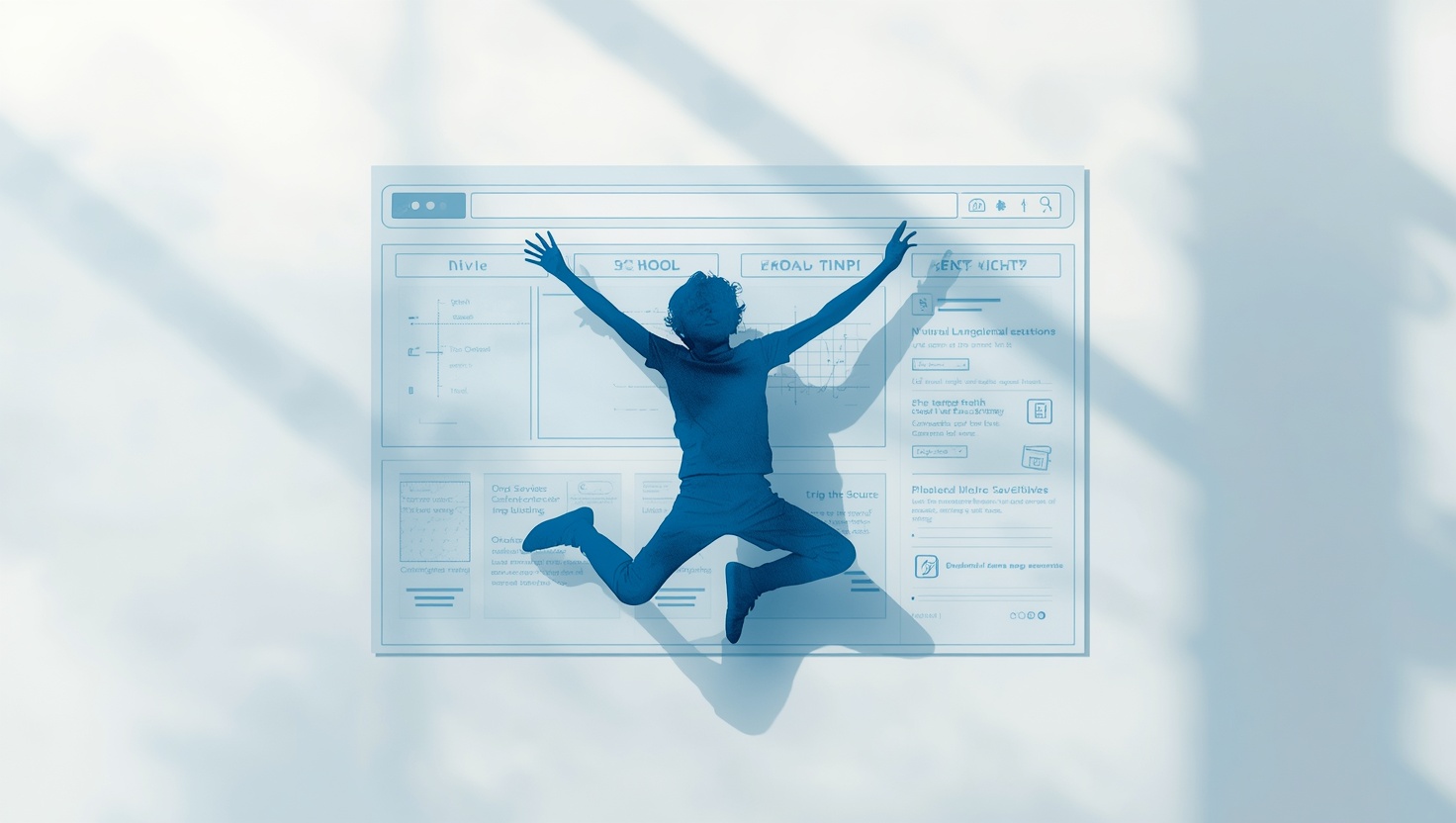
Key Elements to Consider in School Website Design#
School websites are the digital face of educational institutions and the most effective way to reach students, parents, and teachers. The right design and content have a significant impact on a school's reputation. Therefore, the key elements to consider in school website design must be not only aesthetic but also functional and user-friendly. Elements such as color, font, content layout, and navigation used in site design are critical for effectively communicating with the target audience. In this article, we will discuss the key elements you need to pay attention to in your school website design and highlight Turkish Informatics' expertise in this field.
Quick Summary
- User-friendly navigation allows students and parents to easily access information.
- Mobile compatibility offers accessibility on every device.
- Content currency and diversity strengthen the school's image.
User-Friendly Navigation#
Navigation is the heart of a website; a well-thought-out navigation structure allows visitors to quickly and easily find the information they are looking for. Especially on school websites, a clear and understandable menu layout is essential for navigating between sections. For example, having clear headings like "Education," "Events," and "Contact" on the homepage enables users to quickly reach the information they want. Additionally, sub-menus can be used, allowing easy access to content within each section. A user-friendly navigation design encourages students and parents to spend more time on the website.
Mobile Compatibility#
Today, a large portion of internet traffic comes from mobile devices. Therefore, school websites must be mobile-friendly. Mobile compatibility means the site displays and functions properly on all types of devices (phones, tablets, computers). Responsive design allows the layout to automatically adjust based on the user's screen size. For example, when a student checks their assignments from a mobile device, pages displaying correctly enhances the user experience. A mobile-compatible design strengthens the school's professional image and increases user satisfaction.
Up-to-Date and Diverse Content#
The content of a school website should cover a wide range, from educational programs to event calendars. Keeping content up-to-date is important for both students and parents. For instance, information such as upcoming events, important announcements, and school achievements needs to be regularly updated. Additionally, including different content types (video, photo, text) attracts visitors' interest. Sections like blog posts or newsletters can be added so that students and parents can learn more about the school. In this way, the school website not only serves as an information source but also enables the school to interact with the community.
In conclusion, school website design is one of the most important ways to communicate effectively with the target audience and strengthen the school's image. As a team specialized in this field since 1998, Turkish Informatics works to make your school websites functionally and aesthetically optimal. It should be remembered that user-friendly navigation, mobile compatibility, and up-to-date content play a critical role in the success of your school website. By considering these elements when designing your school website, you can create an effective platform that appeals to both students and parents.
Must-Haves#
These are the essentials that must be included:
Added Value (Bonus)#
These are not mandatory but make a difference and are optional:
Turkish Informatics sets up all these elements end-to-end from a single source and activates them in a way suitable for your institution.
Features That Enhance User Experience#
User experience (UX) is one of the most critical factors determining the success of a website. The interaction users have with a site directly impacts their satisfaction and likelihood of returning. Therefore, identifying and implementing features that enhance user experience is of critical importance. To create an effective user experience, the design must not be limited to visual aesthetics but must also respond to users' needs and expectations. Criteria such as a user-friendly interface, ease of navigation, and fast loading times increase site performance and user satisfaction. In this article, we will examine in detail the elements that improve user experience and discuss how each can be implemented.

Fast Loading Times#
Fast loading times are crucial for users to have an uninterrupted experience. Research shows that if a web page takes longer than three seconds to load, 40% of users will leave the page. This negatively affects both user satisfaction and SEO performance. To ensure users spend more time on the page, the following methods can be applied:
- Optimizing images: Using smaller-sized formats instead of high-resolution images.
- Browser caching: Utilizing browser caching features for faster loading times on return visits.
User-Friendly Navigation#
User-friendly navigation allows users to quickly and easily access the information they are looking for. To prevent users from getting lost on the website and to guide them to the information they seek, attention should be paid to the following elements:
- Simple and clear menu structure: Avoid too many options in menus and prioritize the categories that users are most interested in.
- Search bar: An accessible search bar should be available on every page to allow users to quickly find the content they want.
Mobile Compatibility#
As the usage rate of mobile devices continues to increase, it is vital for websites to be mobile-friendly. A mobile-friendly design ensures that users can navigate comfortably on different screen sizes. The following practices can help improve mobile compatibility:
- Responsive design: A structure should be created that allows the website's design to automatically adjust according to the screen size.
- Touchscreen compatibility: Since mobile devices use touchscreens, buttons and links need to be large enough and easily accessible.
The combination of all these features significantly enhances user experience. Elements such as fast loading times, user-friendly navigation, and mobile compatibility encourage users to stay longer on the website and return. Therefore, considering these features in web design both increases user satisfaction and strengthens the business's digital presence.
Pros and Cons#
Advantages
- A good school website enhances the school's reputation and can attract more students.
- Effective communication makes it easier for parents and students to stay informed about the school.
- A digital presence helps the school adapt to current educational trends.
Points to Consider
- Insufficient content updates may cause visitors to lose interest.
- A complex design may lead users to leave the site.
Effective Content Management and Updates#
A successful content strategy not only involves producing quality content but also requires effective management and regular updates of that content. Content management includes engaging correctly with the target audience, enhancing user experience, and ensuring visibility in search engines by keeping content up-to-date. In this context, effective content management allows you to continuously optimize your content and shape it according to user needs, while also strengthening your brand's digital presence. In this section, we will discuss key points on how to carry out effective content management and updates.
Developing a Content Strategy#
Every successful content management process begins with a solid content strategy. A content strategy is a critical step for understanding the target audience, defining content goals, and planning what types of content to produce. For example, for an educational institution, a content strategy should target the needs of students and parents, providing them with valuable information. When developing this strategy, it is important to focus on the following elements:
- Target audience analysis: Determine who your target audience is, their interests, and their needs.
- Determining content types: Plan which types of content to use, such as blog posts, videos, infographics.
- Creating a publication schedule: Establish a calendar that specifies when to share your content.
Content Updates and Innovations#
Keeping your content up-to-date is essential for encouraging users to return and achieving high rankings in search engines. Content updates are carried out by refreshing old information, adding new data, or optimizing existing content. For instance, a website can increase its visibility by making significant SEO-related changes. Additionally, points to consider during content updates include:
- Perform regular updates: Review and update your content at specific intervals.
- Add new information: Update your content with new data or developments related to the industry.
- Reassess old content: Analyze which content is not attracting interest and delete or update it if necessary.
Tools and Techniques for Successful Content Management#
Various tools and techniques are available to effectively carry out content management. These tools facilitate content creation, distribution, and analysis processes, saving time and resources. For example, content planning software helps teams work together to manage content more efficiently. Additionally, some important tools and techniques used for content management include:
- Content management systems (CMS): Help you create, edit, and publish your content.
- Analytics tools: Used to monitor user interactions and content performance.
- SEO tools: Optimize your content to increase visibility in search engines.
In conclusion, content management and updates are an integral part of your digital marketing strategy. Continuously optimizing your content and adapting to the needs of your target audience and changing market conditions is a critical step on the path to success. By strengthening your content strategy and using regular updates along with the right tools, you can create an effective content management process.
Common Mistakes#
Insufficient content management
Outdated website content makes it difficult for visitors to obtain information about the school. This can raise questions about the school's professionalism. Regularly updating and refreshing content is important.
Weak accessibility
Failure to comply with accessibility standards can make it impossible for some users to use the site. This undermines the school's social responsibility. Attention should be paid to accessible design principles.
Mobile incompatibility
The website not displaying properly on mobile devices negatively impacts user experience. Since most people today access the internet via mobile devices, mobile compatibility must be ensured.
Security and Accessibility Standards#
Security and accessibility standards are critical elements that must be considered during the design and development stages of digital products. These standards ensure that users can access information and interact in a secure environment, while also enabling individuals with disabilities to benefit from these products through accessibility principles. For example, the WCAG (Web Content Accessibility Guidelines) standards established for websites recommend designs for users with visual, hearing, and motor impairments. Complying with such standards is not only a legal requirement but also an opportunity to strengthen brand image.

Why Are Security Standards Important?#
Security standards are critically important for protecting user data and ensuring information security. Especially on platforms containing financial or personal data, data breaches can both erode user trust and lead to legal issues. For instance, GDPR (General Data Protection Regulation) compliance imposes strict rules on how user data in Europe is processed. Therefore, companies implementing security standards not only enhance user safety but also protect the brand's reputation.
- Data encryption: User information should be encrypted so that only authorized individuals can access it.
- Regular security tests: Periodic security audits help identify vulnerabilities.
The Importance of Accessibility Standards#
Accessibility standards increase social participation by ensuring that products are usable for all users. Accessible websites designed for individuals with disabilities facilitate their processes of obtaining information and benefiting from services. For example, creating content compatible with screen readers enables visually impaired users to effectively use websites. Such practices not only fulfill legal obligations but also demonstrate that the brand acts with a sense of social responsibility.
Steps to Comply with Standards#
Complying with security and accessibility standards requires a systematic approach. First, it is important to determine what these standards cover throughout the entire design and development process. Subsequently, obtaining user feedback through various tests during the development phase is also beneficial for improving accessibility. For example, A/B tests can analyze how different design alternatives perform. This process should be supported by continuous improvement and updates, ensuring that the user experience is constantly enhanced.
In conclusion, security and accessibility standards are fundamental elements that enhance the quality of digital products. Companies complying with these standards is a critical step to both meet legal requirements and increase user satisfaction. In this process, expert firms like Turkish Informatics can guide businesses on both security and accessibility issues, helping to bring successful projects to life.
The Importance of a School Website
A school website is the digital face of the educational institution and therefore must be designed carefully. A good website reflects the school's mission and values while also providing information flow to students and parents.
An effective school website not only presents information but also increases the school's interaction with the community. With the digital transformation in education, websites play a critical role in a school's success.
SEO-Friendly School Website Tips#
School websites play a critical role in increasing the digital presence of educational institutions and reaching target audiences such as students and parents. SEO, or Search Engine Optimization, holds great importance in this process. With the right SEO practices, your school website can rank higher on search engine results pages, attracting more visitors. In this article, we will cover the essential tips you need to consider for creating an SEO-friendly school website. Your target audience, students and parents, should be able to easily access the information they are looking for; your website should be both user-friendly and easily crawlable by search engines. Here are the ways to combine these two elements.
1. Keyword Research and Usage#
One of the most important steps in SEO is keyword research. Understanding which terms your target audience uses in search engines is necessary to shape your content around these keywords. For example, terms like "school enrollment procedures," "student achievements," or "teacher profiles" can be valuable keywords for your school website. You should use keywords naturally in title tags, meta descriptions, and within the content.
- You can use surveys or feedback forms to understand the needs and expectations of your target audience.
- Analyzing which content users are most interested in is an important step to develop your content strategy accordingly.
2. Mobile-Friendly Design#
Nowadays, most users access the internet via mobile devices. Therefore, your school website must be mobile-friendly. A mobile-friendly design makes it easier for visitors to access your site and enhances the user experience. Additionally, search engines like Google give higher rankings to mobile-friendly sites. Besides design, content should also be readable on mobile devices. Short paragraphs and clear headings can be effective in capturing the attention of mobile users.
3. Fast Loading Times#
Your website's loading speed directly affects both user experience and SEO performance. A fast-loading website reduces the bounce rate of users. It is also an important factor in Google's ranking algorithm. To optimize loading times, you can compress your images, remove unnecessary plugins, and improve server response times. For example, you can use the JPEG format to optimize image sizes and shorten page loading time with the Lazy Loading technique.
4. Creating Quality and Up-to-Date Content#
Content quality is vital for an SEO-friendly school website. Informative, engaging, and up-to-date content attracts visitors and earns high scores from search engines. Regularly producing content on topics such as school events, student success stories, or educational programs will help keep your website current. Additionally, sharing your content on social media platforms allows you to reach a wider audience.
In conclusion, creating an SEO-friendly school website is a process that requires technical knowledge and continuous effort. Keyword research, mobile-friendly design, fast loading times, and quality content production are the cornerstones of a successful SEO strategy. As Türk Bilişim, we can manage this process end-to-end. We offer support to educational institutions in taking the necessary steps to become more visible in the digital world. Get a free evaluation and quote from Türk Bilişim's expert team for your project.
Contact Turkish Informatics#
Get a free discovery and quote from Turkish Informatics' expert team for your project; let's achieve your digital goals together:
- Phone: 0216 755 3 555
- WhatsApp: 0532 216 07 54
- Email: [email protected]
- Web: turkbilisim.com.tr

Bu içeriği nasıl buldunuz?
Reaksiyon vermek için giriş yapmanız gerekiyor.
You Might Also Like






Gallery