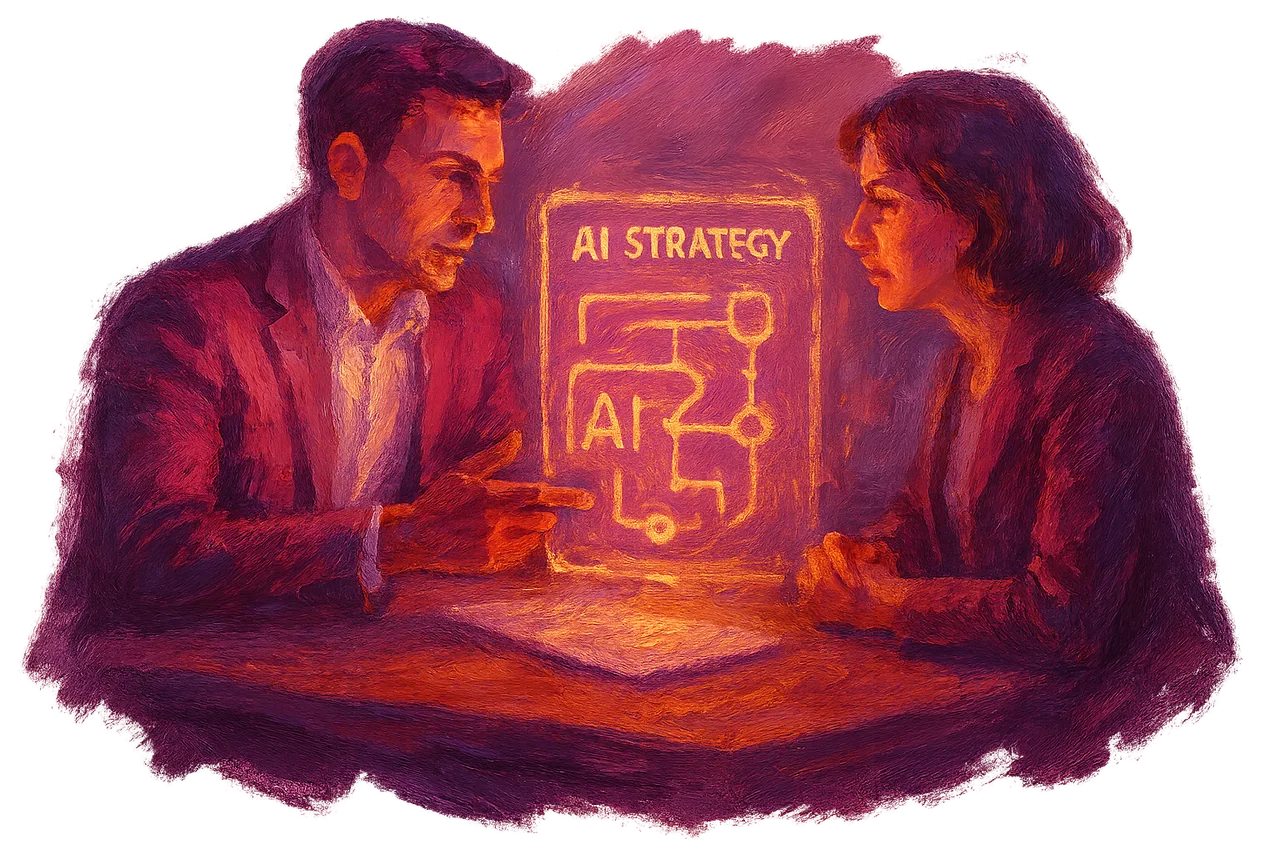







Artificial intelligence (AI) and human intelligence are two types of intelligence that are quite different from each other.
Artificial Intelligence and Human Intelligence: Fundamental Differences
Artificial intelligence (AI) and human intelligence are two distinctly different types of intelligence. The foundations, functioning methods, and characteristics of these two concepts are continuously researched and discussed by scientists and engineers. While artificial intelligence has the ability to perform specific tasks using algorithms and big data, human intelligence has a much more complex structure that includes emotional, social, and creative elements. In this article, we will address the fundamental differences between artificial intelligence and human intelligence and discuss the areas where both types of intelligence excel. As Türk Bilişim, we aim to help you better understand the dynamics of technology and human interaction with our expertise in this field.
Quick Summary
- While artificial intelligence works with algorithms and data, human intelligence includes emotional and social aspects.
- Artificial intelligence shows high performance in specific tasks, while human intelligence relies on creativity and intuition.
- Both types of intelligence have their advantages and limitations; their potential for collaboration is quite high.
Foundations of Artificial Intelligence and Human Intelligence
Artificial intelligence has the capacity to learn by analyzing data using methods such as machine learning and deep learning. For example, an AI software can recognize specific patterns by analyzing large amounts of data and can make predictions using these patterns. In this process, it mimics human intuitive thinking but ignores emotional and social contexts. On the other hand, human intelligence develops through learning and experience; emotional responses, intuitions, and social interactions play a significant role in human decision-making processes.
In Which Areas is Artificial Intelligence Successful?
Artificial intelligence can possess extraordinary abilities in certain fields. For instance, in the medical diagnosis field, AI software can demonstrate the same or even higher success rates than human doctors in diagnosing diseases. This is due to the ability of artificial intelligence to analyze large data sets quickly. Additionally, it is also used in automation and production processes, increasing efficiency. For example, robots on production lines can work faster and more accurately than human workers.
- Accelerating diagnosis processes in the healthcare field.
- Optimizing marketing strategies with data analytics.
- Developing and utilizing autonomous vehicles.
Advantages of Human Intelligence
Human intelligence is always ahead of artificial intelligence in certain areas because it includes elements such as emotional intelligence, empathy, and creativity. Especially in creative fields such as art, literature, and sociology, human intelligence stands out with imagination and emotional depth. For example, a writer's work has the ability to establish an emotional connection with readers; this bond cannot be replicated by artificial intelligence. Another strong aspect of human intelligence is its ability to navigate complex social interactions; humans have the capability to read social cues, establish connections, and collaborate.
Future Potential for Collaboration
There is potential for collaboration between artificial intelligence and human intelligence. In the future, these two types of intelligence can work together to achieve more efficient outcomes. For instance, while artificial intelligence analyzes data, human intelligence can use this data to generate creative solutions. Such collaboration could lead to better patient care in hospitals, more effective decision-making processes in businesses, and more impactful learning methods in education. As Türk Bilişim, we are developing technologies that support this collaboration and providing solutions by combining the strengths of both sides.
In conclusion, there are distinct differences between artificial intelligence and human intelligence. While artificial intelligence shows high performance in specific tasks, human intelligence stands out in terms of creativity and emotional depth. Both types of intelligence have their own strengths and weaknesses; therefore, working together presents significant opportunities from both technological and social perspectives. As Türk Bilişim, we continue our efforts to understand and develop these dynamics.
Must-Haves
Essentials that must be present in this field:
- Artificial intelligence has the ability to surpass human performance in certain areas.
- Artificial intelligence can produce results faster than humans by performing big data analysis.
- Machine learning algorithms can process and learn more data than humans.
- While artificial intelligence lacks emotional and social intelligence, it can surpass humans in specific tasks.
- Autonomous systems can operate without human intervention and reduce error rates.
- Artificial intelligence can work at a lower cost than humans in certain tasks.
Added Value (Bonus)
Not mandatory but makes a difference, those that are optional:
- Artificial intelligence experiences less fatigue than humans when performing repetitive tasks.
- Advanced AI systems can provide access to more information than humans.
- Artificial intelligence has a greater capacity for attention and focus than humans.
All these elements are integrated by Türk Bilişim from end to end and deployed in a way that suits your business.
Pros and Cons
Advantages
- Artificial intelligence excels in data analysis and processing speed compared to humans.
- Artificial intelligence increases efficiency by reducing error margins in repetitive tasks.
- While artificial intelligence can work 24/7, humans require rest.
Considerations
- Artificial intelligence is limited in social interactions due to a lack of emotional intelligence and empathy.
- AI systems can produce erroneous results when fed with biased data.
Artificial Intelligence Applications and Human Abilities
Artificial intelligence (AI), as a rapidly developing field in recent years, plays a role in many sectors by complementing or sometimes replacing human abilities. This situation raises our curiosity about the areas where AI applications have been effective and how they interact with human skills. For example, in many fields such as healthcare, finance, automotive, and manufacturing, the advantages provided by AI have been added as a supportive element alongside human labor. However, what is important at this point is not whether AI will replace human intelligence, but how the two can create synergy. While AI applications can surpass humans in specific tasks, there are still areas such as creativity and empathy that need to be developed.
Artificial Intelligence and the Healthcare Sector
The impact of artificial intelligence in the healthcare field is increasing day by day. For instance, AI systems used in disease diagnosis can outperform human doctors in diagnosing certain diseases. By analyzing large data sets, AI can detect disease symptoms at an early stage, thereby accelerating treatment processes. For example, some AI algorithms can achieve better results than human doctors in detecting diseases like cancer in X-ray and MRI images using image recognition technology. Such applications allow for quicker and more accurate decisions in patient treatment processes.
AI Applications in the Finance Sector
In the finance sector, artificial intelligence plays significant roles in areas such as fraud detection, credit risk analysis, and portfolio management. For example, algorithms developed using machine learning techniques can detect anomalies in all types of financial transactions. This makes it possible to prevent fraud cases and increase customer security. Additionally, automated trading systems analyze market data to enable faster decision-making. The ability to process data at speeds that human traders cannot achieve makes AI an indispensable tool for financial markets.
Artificial Intelligence and Manufacturing Processes
In the manufacturing sector, AI applications are used to increase efficiency and production quality. Automated control systems can continuously monitor the performance of machines on the production line and predict malfunctions in advance. This helps reduce costs and ensures the continuity of the production process. For example, a factory can plan maintenance by predicting machine failures with AI-supported maintenance. Moreover, AI-optimized robots provide significant support to human labor while taking on repetitive and physically demanding tasks.
Artificial Intelligence and Creativity
Creativity is considered a very special ability for humans. However, artificial intelligence is beginning to show its capabilities in this area as well. For example, in music, visual arts, and written content production, AI applications can produce interesting and creative results. AI-supported software can compose music in a specific style or create original visuals in graphic design. However, it is important to note that AI's creativity is not shaped by deep emotions and experiences like that of humans. Therefore, it may be a more accurate approach to evaluate AI as a complementary tool rather than a replacement for human intelligence in the field of creativity.
In conclusion, AI applications are rapidly becoming widespread in many sectors in a way that complements human abilities. The advantages provided in fields such as healthcare, finance, and manufacturing are increasingly strengthening AI's place in our lives. However, how human-specific characteristics like creativity and empathy will interact with AI remains a topic of curiosity. Artificial intelligence does not aim to replace human intelligence; rather, it carries the potential to build a stronger future through human-machine collaboration.
Common Mistakes
Heavy Generalization
Thinking that artificial intelligence will surpass all human skills is incorrect. While AI can surpass humans in specific tasks, it falls short in emotional and social skills. Therefore, when evaluating the potential of AI, it is important to focus on the tasks where it can be effective.
Data Dependency
AI systems cannot work effectively without accurate and sufficient data. An AI trained with incorrect or incomplete data can produce erroneous results. Therefore, attention must be paid to data quality and it should be continuously updated.
Ignoring the Human Factor
The belief that artificial intelligence will completely surpass humans overlooks the importance of the human factor. Humans can surpass AI with their creative thinking and problem-solving abilities. Therefore, collaboration between AI and humans should be ensured.
Impact of Artificial Intelligence: Economy and Workforce
Artificial intelligence (AI) has become a factor that significantly influences economic structures by creating radical changes in the business world in recent years. With the potential to increase efficiency, reduce costs, and accelerate processes in every sector, AI is also fundamentally altering the dynamics of the workforce. Traditional workforce structures are being reshaped alongside the opportunities provided by AI. This situation affects the demand for certain skills, reducing the attractiveness of some professions while creating new job areas and opportunities. However, this change not only presents opportunities but also brings challenges aimed at restructuring the workforce.

Impact of Artificial Intelligence: Economy and Workforce
Artificial Intelligence and Workforce Dynamics
Artificial intelligence has the potential to transform the structure and capabilities of the workforce. For example, repetitive tasks will largely be taken over by robots and software through automated systems. This process allows the workforce to focus on more creative and strategic tasks. Moreover, in many sectors, AI is enhancing business efficiency by accelerating data analysis and decision-making processes. For instance, in the manufacturing sector, AI-based systems monitor and optimize machine efficiency, providing significant cost savings for businesses.
- Increased efficiency: AI systems save time by optimizing production processes.
- Innovative job areas: New technologies brought by AI lead to the emergence of professions such as data analyst or AI engineer.
Artificial Intelligence and Economic Growth
Artificial intelligence not only affects the workforce but also supports economic growth. According to the World Economic Forum, AI's contribution to the economy could reach trillions of dollars by 203. This growth will be facilitated by the expansion of AI applications. For example, in the healthcare sector, AI analyzes patient data, speeding up diagnosis processes and making healthcare services more accessible. Additionally, in the finance sector, AI is used to detect fraud and optimize data analysis, which reduces costs and increases efficiency.
Challenges of Artificial Intelligence in the Workforce Market
However, the widespread adoption of artificial intelligence also brings certain challenges. In particular, the automation of some job groups may lead to job losses in the workforce market. For example, as simple data entry jobs or repetitive manufacturing processes are taken over by AI and robotic technologies, individuals working in these areas may struggle to find employment. This situation highlights the need for workforce retraining and acquiring new skills. Educational institutions and businesses are focusing on developing new programs to equip their employees with skills that can be integrated with AI.
Future Workforce and Artificial Intelligence
The role of artificial intelligence in the future workforce encompasses not only automation but also human-machine collaboration. AI systems will play a supportive role for humans, enhancing human capabilities in complex decision-making processes. For instance, a professional working in the design field can develop more creative solutions with the support of AI. This process will systematically strengthen human creativity and intuition while also increasing the value of the workforce. In the future, AI will contribute to the emergence of more efficient processes and innovative business models by working alongside humans.
In conclusion, artificial intelligence stands out as both a factor supporting economic growth and a force creating radical changes in the workforce. This transformation requires the restructuring of mental and technical skills while presenting new opportunities. For the workforce to keep pace with this transformation, it is crucial for sectors and employees to develop their knowledge and skills related to AI technologies. In this context, the solutions provided by our company can help the workforce adapt to this transformation process.
Expert Opinion on Artificial Intelligence and Human Performance
Artificial intelligence has the potential to surpass human performance in certain areas, but there are limitations to this transition. While AI can be faster and more efficient than humans in data processing and analysis, it falls short in emotional and social skills.
Therefore, the collaboration between artificial intelligence and human workforce will yield more efficient results by combining the strengths of both sides. Türk Bilişim is developing specialized software to facilitate this collaboration and provide innovative solutions in the industry.
Artificial Intelligence and Ethics: Risks and Opportunities for Humanity
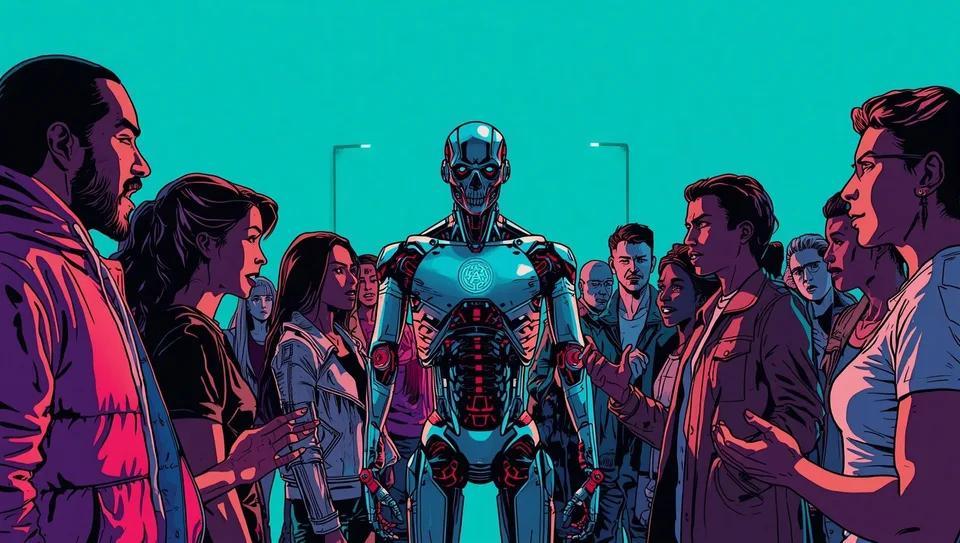
Artificial intelligence is one of the most exciting and simultaneously controversial areas of modern technology. Its ability to demonstrate human-like intelligence has the potential to revolutionize many sectors, but it also brings numerous ethical issues and risks. For instance, topics such as the transparency of decision-making processes in artificial intelligence, the biases of these systems, and their effects on human labor are gaining increasing attention today. As Turkish Informatics, understanding the opportunities provided by these technologies and the ethical questions they raise is crucial for both individuals and communities. In this article, we will conduct an in-depth evaluation of the risks and opportunities that artificial intelligence presents for humanity.
Artificial Intelligence and Ethics: Risks and Opportunities for Humanity
Artificial Intelligence and Ethical Issues
One of the most significant ethical issues brought by artificial intelligence applications is how the decision-making processes of these systems are shaped. For example, a credit approval system's tendency to grant more or less credit to individuals with certain demographic characteristics can lead to discrimination. Such situations necessitate the establishment of ethical rules that must be considered in the design of artificial intelligence algorithms. Turkish Informatics recommends creating various auditing mechanisms and ethical codes to ensure transparency and accountability in developed artificial intelligence systems to prevent such issues.
- Transparency: Artificial intelligence systems should be able to explain how they operate.
- Accountability: The outcomes of algorithms should be held accountable.
Opportunities: Human Collaboration with Artificial Intelligence
Artificial intelligence not only presents risks but also offers significant opportunities. For instance, in the healthcare sector, artificial intelligence helps diagnose diseases more quickly and accurately while also reducing the workload of doctors. This allows healthcare professionals to attend to more patients and improves the overall quality of healthcare services. Additionally, by analyzing data with artificial intelligence, we can predict the spread trends of diseases in advance. Thus, important steps can be taken to protect public health.
Transformation of Labor Force by Artificial Intelligence
Another impact of artificial intelligence is its transformation of the labor force. While automation and artificial intelligence may lead to the loss of some jobs, they also pave the way for the emergence of new job fields. For example, the use of robots in manufacturing processes increases efficiency, but it also brings the risk of replacing human labor. However, the labor force that adapts to new technologies can develop new professions such as data analyst and artificial intelligence engineering. This situation requires the education system to be renewed and the human resource to be reshaped.
The Future Relationship Between Artificial Intelligence and Ethics
In the future, the relationship between artificial intelligence and ethics will become even more complex. In the coming years, the effects of artificial intelligence systems on society will be felt not only economically but also socially and culturally. Therefore, establishing ethical rules in the development of artificial intelligence technologies and ensuring compliance with these rules is of vital importance. Turkish Informatics aims to develop artificial intelligence applications in a human-centered manner by collaborating with all stakeholders in the sector during this process.
In conclusion, artificial intelligence presents both significant opportunities and important ethical issues for humanity. In the future, the responsible development and application of these technologies will benefit humanity. As Turkish Informatics, we are ready to guide this process with our sensitivity to issues of artificial intelligence and ethics. Together, we should strive to integrate these innovative technologies into society in the best possible way.
How did you find this content?
Comments
No ratings yet
No comments yet.
You Might Also Like



Gallery