






Logo design is one of the most important elements that form a brand's identity.
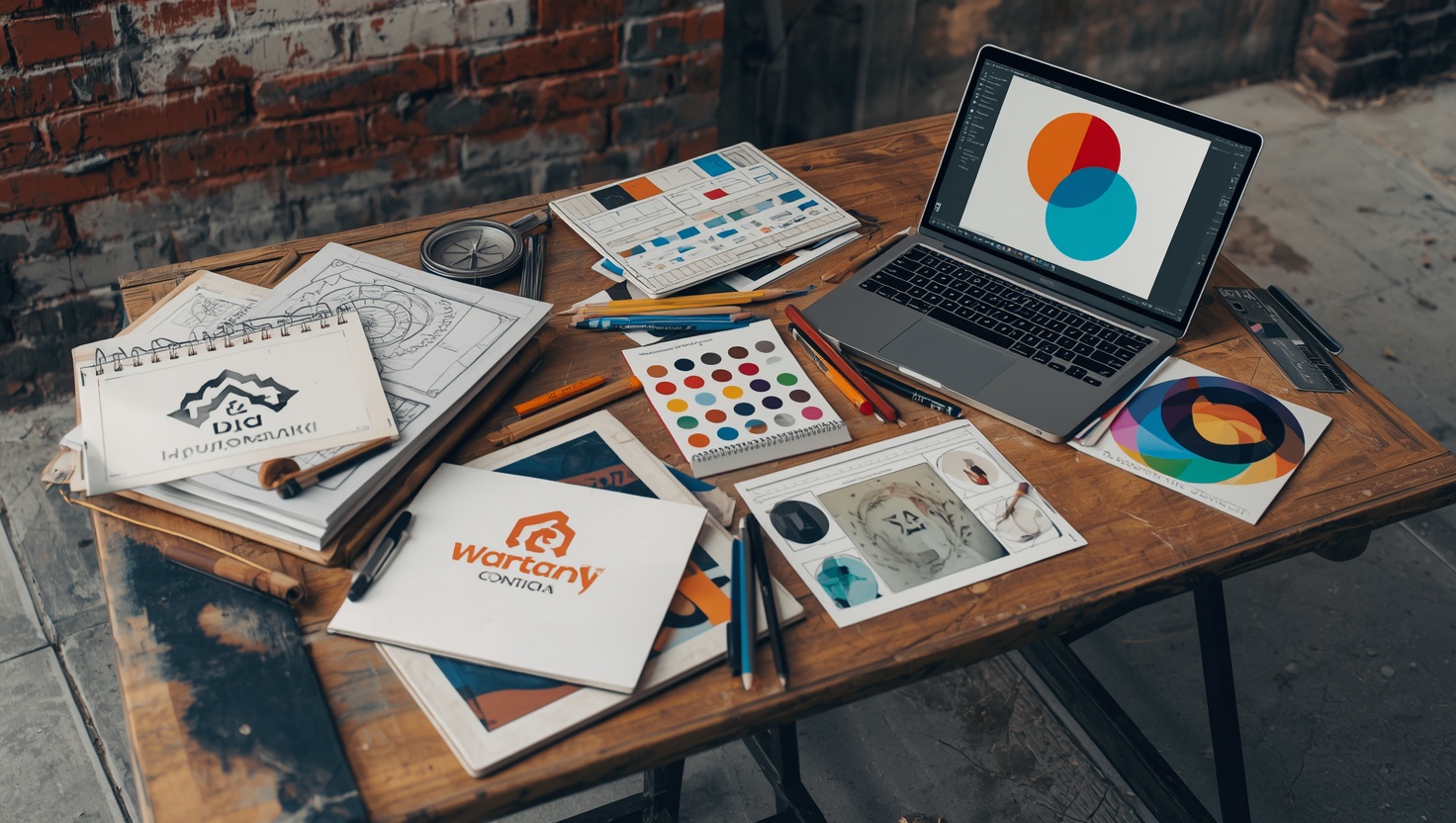
First Steps in Logo Design: Identifying Target Audience and Brand Identity#
Logo design is one of the most important elements that make up a brand's identity. The first steps in this process involve identifying the target audience and brand identity. Understanding the target audience ensures that the logo design goes beyond being merely an aesthetic element. Because a logo is not just a symbol, but also a tool that conveys a brand's message. In this article, we will focus on the importance of identifying the target audience and brand identity, which are the starting points of an effective logo design process. We will provide a roadmap filled with important tips, real-world examples, and best practices.
Quick Summary
- Target audience analysis is the key to success in logo design.
- Defining brand identity is an important process that guides logo design.
- Türk Bilişim stands out with its extensive experience in professional logo design.
Why is Target Audience Analysis Important?#
Target audience analysis is a critical step to be taken before starting logo design. The target audience determines which demographic characteristics the brand appeals to. This analysis considers many factors such as age, gender, income level, interests, and psychographic characteristics. For example, a dynamic and modern design may be preferred for a brand targeting young people, while designs aimed at a more mature audience may be more classic and simple.
- Age group: A colorful and energetic logo may be preferred for young people aged 18-24.
- Income level: A luxury brand can express itself with a more sophisticated and minimalist logo.
- Interests: A sports-oriented brand needs a design that reflects movement and dynamism.
Brand Identity and Logo Design#
Brand identity determines how a brand is perceived and how it presents itself. Clearly defining the brand identity in the logo design process determines the direction of the design. For example, a modern and minimalist logo design for a technology company supports the brand's innovative and forward-thinking image. In contrast, natural and warm color tones for an organic food brand can reflect the brand's values. Since the logo is the most important representative of this identity, the design must be consistent with the brand identity.
Typical Mistakes and Correct Approaches#
One common mistake in the logo design process is starting the design without sufficient thought about the target audience and brand identity. This can render the design ineffective. For instance, choosing colors and shapes that do not appeal to a specific audience may fail to attract the target audience's interest. Instead, one should avoid starting logo design without first identifying the target audience and brand identity. The correct approach is to proceed by considering these elements at every stage of the design process.
In conclusion, the stages of identifying the target audience and brand identity in logo design are extremely important. As Türk Bilişim, we provide professional support in this process and meticulously manage all steps. Contact us to create a logo that is compatible with your target audience and reflects your brand identity in your logo design process. This way, you can achieve an effective design that makes your brand stand out.
Must-Haves#
Essentials that must be included in this work:
Added Value (Bonus)#
Not mandatory but differentiating, optional items:
Türk Bilişim installs all these elements end-to-end from a single source and activates them in a way suitable for your business.
Color Selection and Typography: Essential Elements for a Professional Logo#
In logo design, color selection and typography are two fundamental elements that form a brand's identity. While colors determine the emotional impact of a brand, typography plays a critical role in conveying the message. The right color palette and font choice shape the perception of a brand by establishing a strong connection with the target audience. Therefore, these elements must be carefully considered in logo design. For instance, warm and vibrant colors are preferred for a food brand, while cooler and more trustworthy tones may stand out for a financial institution. By examining common mistakes and correct approaches in color and typography selection, we will discover how to achieve success in a professional logo design.

The Importance of Color Selection#
Colors are symbols that convey powerful messages in people's subconscious. For example, blue evokes feelings of trustworthiness and professionalism, while red gives a sense of excitement and urgency. Therefore, choosing colors that reflect your brand's image is extremely important. Research on color psychology shows that 85% of consumers consider color a primary factor when choosing a product or brand. In short, the right color choice can leave a lasting impression on the brand's target audience.
- First Impression: Colors create the first impression of the brand.
- Target Audience: The meaning of colors varies depending on the demographic characteristics of your target audience.
- Competitive Advantage: The right color palette helps you stand out from your competitors.
Typography and Its Importance#
Typography is the way a brand communicates its message and is therefore a highly critical element. Font choice reflects the character and tone of the brand. For example, a design studio might prefer modern, sans-serif fonts to convey a young and dynamic character, while a law firm might use serif typefaces to create a more classic and formal atmosphere. Research indicates that proper typography makes text 39% easier to read. This is an important factor that enhances the impact of the design.
Harmony of Color and Typography#
Establishing harmony between color and typography increases the success of a professional logo design. The compatibility of colors and fonts clearly reflects the brand's stance. For instance, a pastel color palette combined with a softer, lighter font can help the brand create a friendly image. This harmony allows customers to better understand and connect with the brand. However, excessive use of color or fonts can lead to a complex and difficult-to-understand design.
Typical Mistakes and Right Choices#
One common mistake in logo design is using overly complex color palettes and font combinations. Using too many colors can blur the brand's message. Instead, choosing 2-3 main colors and using them in a complementary way is more effective. Additionally, readability should be prioritized when selecting fonts. A comprehensive and understandable typography choice strengthens the brand identity. Another point to remember is to ensure consistency across all platforms; the logo should create the same impact on every medium, whether digital or print.
In conclusion, color selection and typography are among the most important elements that define a brand's identity in logo design. The right color palette and typographic choices increase the brand's impact on the target audience, creating a striking and memorable image. As Türk Bilişim, we can help you create a logo that best represents your brand by meticulously working on these elements.
Pros and Cons#
Advantages
- A good logo increases brand recognition.
- A professional logo creates a perception of trustworthiness and seriousness.
- The logo can effectively communicate the brand story and values.
Points to Consider
- Incorrect color or font choice can negatively impact brand perception.
- Overly complex designs can reduce logo recognition.
Tools and Software That Nurture Creativity: Which Programs Should You Use?#
Choosing the right tools to boost your creativity and execute your projects more efficiently is of vital importance. Different software available for various fields such as design, content creation, or software development can streamline your workflow. In this article, we will provide detailed information about the most effective tools and software that nurture creativity. We will focus on what to consider in your choices and which tools are more effective in which areas. If you're ready, let's take a look at these tools that will support your creativity!
Design Tools: How to Empower Your Visuals?#
Design is one of the most crucial elements of any project. There are many design tools available to be effective in visual communication. For example, Adobe Creative Suite is very popular among professional designers and offers numerous features. This software package includes powerful tools like Photoshop, Illustrator, and InDesign. You can edit your photos with Photoshop, create vector graphics with Illustrator, and InDesign is ideal for designing multi-page documents like brochures, magazines, and books. Users' ability to effectively utilize the features offered by these tools helps enhance their creativity.

- Adobe Photoshop: One of the best tools for photo editing and manipulation.
- Adobe Illustrator: The standard software preferred for vector graphic design.
- Canva: Enables quick design with its user-friendly interface.
Content Creation: How to Produce Written Content?#
There are many software and tools available for creative content creation. For instance, Grammarly helps make your written content more fluent and grammatically correct. Using such tools speeds up your content creation process while minimizing writing errors. Additionally, cloud-based software like Google Docs facilitates team collaboration by allowing you to share your content in real-time. Another important point in content creation is using language appropriate for the target audience. Paying attention to this is necessary for your written content to achieve its purpose.
Software Development: Accelerating Processes with Effective Tools#
Various tools and software available in the software development process help you complete your projects faster and more effectively. For example, Visual Studio Code enriches the coding experience for developers, while GitHub allows you to manage your projects and collaborate with teammates. Furthermore, container technologies like Docker enable you to develop and deploy your applications more quickly. Effective use of these tools in the software development process ensures projects are completed on time.
Effective use of all these tools will increase your creativity. Choosing the right tools and using them efficiently can elevate the quality of your projects. The software you use in the creative process not only simplifies your work but also helps you produce more effective solutions. Don't forget to explore these tools when bringing your projects to life!
Common Mistakes#
Color mismatch
Choosing mismatched colors in logo design can negatively affect brand perception. The psychological effects of colors should be considered, and a palette suitable for the target audience should be created.
Complex design
Overly detailed and complex logo designs make it difficult for viewers to remember them. Simple and memorable designs should be preferred, and unnecessary details should be avoided.
Wrong font selection
Fonts with low readability or that do not match the brand's personality reduce the impact of the logo design. Font selection should be made carefully and should align with the brand identity.
Mistakes to Avoid in the Logo Design Process#
Logo design is one of the most fundamental elements that shape a brand's identity. Mistakes made during this process can negatively impact the brand's perception and lead to serious long-term consequences. For instance, incorrect color choices in logo design can create an image that is incompatible with the target audience. Therefore, caution is required at every stage of the design process. To minimize errors, it is important to adopt a planned approach and seek feedback at each design phase. Working with a professional team, in particular, contributes to the healthy progression of the process.

Incorrect Target Audience Analysis#
One of the first steps in logo design is conducting a target audience analysis. Starting without understanding the demographic characteristics and needs of your target audience can weaken the impact of the design. For example, using pastel colors for a brand targeting young people may appear unserious to an older audience. Therefore, analyzing your target audience's age, gender, interests, and other characteristics to create a design that appeals to them is critically important. At this point, using market research and surveys to make an evaluation based on real data will be beneficial.
Carelessness in Color Selection#
Colors are among the most eye-catching elements of logo design and directly influence the psychological perception of a brand. Incorrect color choices can misrepresent the brand's personality. For instance, red symbolizes energy and excitement, while blue represents trust and loyalty. If wrong color combinations are used, this can reduce the impact on the target audience. Having a good understanding of color theory and color psychology is the most effective way to avoid these mistakes. Creating a color palette and experimenting with it during this stage of the design process is highly beneficial.
Typography Mistakes#
The typefaces used in logo design are of great importance for reflecting the brand's message and personality. Choosing the wrong font can reduce readability and cast doubt on the brand's seriousness. For example, a very playful font can damage the image of a luxury brand. In this context, the harmony and readability of the font should be considered. The fonts used in the design must be compatible with the overall design of the logo and meet the expectations of the target audience. Experimenting with font combinations and testing them at different scales helps you avoid these mistakes.
All these factors are the most critical points of the logo design process. Incorrect target audience analysis, careless color choices, and typography mistakes can negatively affect the brand's perception. Careful evaluation and seeking feedback at every stage ensure the success of the logo design. Working with a professional team during this process offers a significant advantage in minimizing errors and strengthening the brand's image.
Expert Opinion
Professional logo design is one of the cornerstones of building a brand's identity. The right design enables the brand to establish a strong connection with its target audience.
In the design process, accurately reflecting target audience analysis and brand values is of great importance. Following modern design trends and incorporating innovative elements are among the factors that distinguish the brand from its competitors.
The Future of Logo Design: Trends and Innovative Approaches#
Logo design has always held a significant place as one of the best elements reflecting a brand's identity. However, with the constant evolution of technology and consumer expectations, innovative approaches in logo design are coming to the forefront. Today, elements such as minimalist designs, dynamic logos, and sustainability are among the prominent trends in logo design. In this article, we will explore the key trends shaping the future of logo design and how these trends can be implemented. As Türk Bilişim, we will also share how we have brought these innovative approaches to life with our experience since 1998.
Minimalism and Eye-Catching Design#
Minimalism has become a major trend in logo design in recent years. Simple and eye-catching designs offer the ability to clearly convey a brand's message by avoiding complex elements. Minimalist logos typically use a limited number of colors and shapes to achieve effective communication. For example, a technology brand can create a modern and innovative image with a simple logo.
- Attracting attention through limited color usage
- Enhancing clarity with simple shapes
Dynamic Logos: Evolving Brands#
Dynamic logos are designs that change according to a brand's different situations or campaigns. This type of logo demonstrates that the brand is innovative and flexible. For instance, a sports brand might alter its logo based on seasonal campaigns. Dynamic logos are particularly effective for increasing engagement on digital platforms.
Sustainability and Ecological Designs#
Today, brand consumers place greater importance on environmental awareness. Therefore, sustainability-themed logos have become a crucial tool for brands to emphasize their environmental sensitivity. For example, organic food brands can convey an ecological message by using green tones or natural patterns that symbolize nature. Such designs both reflect the brand's values and attract consumer interest.
Technology-Integrated Designs#
With advancing technology, innovative elements are also being incorporated into logo designs. Augmented reality (AR) or interactive design features can make brand logos more engaging. For instance, an e-commerce brand could increase interaction by offering special deals when customers click on the logo. Such applications highlight the brand's modernity and innovativeness.
Türk Bilişim embraces these innovative approaches in logo design, offering solutions tailored to the needs of brands. With our years of experience, we create creative and effective logo designs. By evaluating all these trends and innovative approaches, we help brands enhance their competitive power in the market. If you are also looking for an effective logo design for your brand, we at Türk Bilişim would be delighted to work with you.
Contact Turkish IT#
Get a free discovery and quote from Turkish IT's expert team for your project; let's achieve your digital goals together:
- Phone: 0216 755 3 555
- WhatsApp: 0532 216 07 54
- Email: [email protected]
- Web: turkbilisim.com.tr
Bu içeriği nasıl buldunuz?
Reaksiyon vermek için giriş yapmanız gerekiyor.
You Might Also Like


Gallery