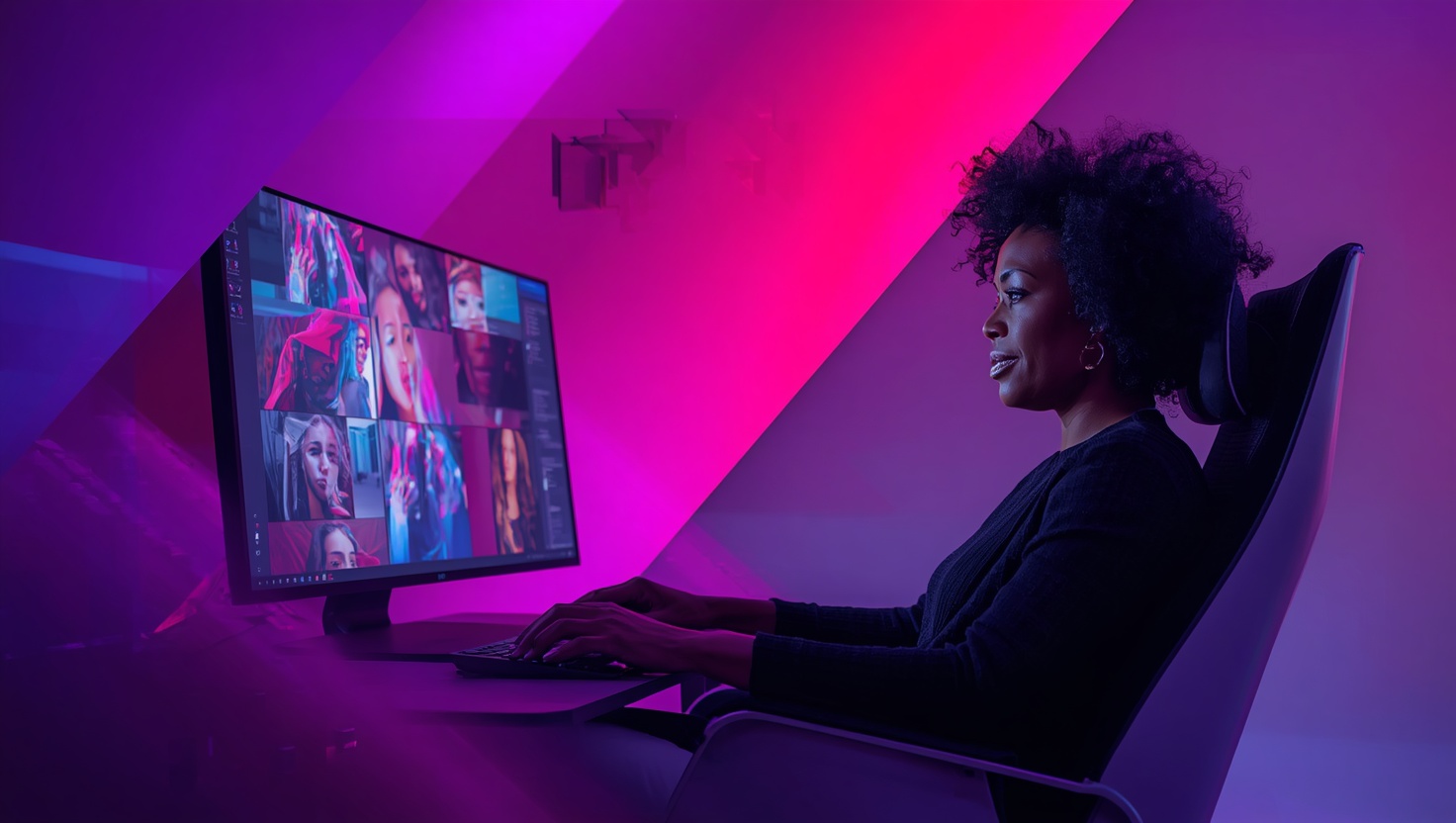



Image processing is the process of analyzing, enhancing, and interpreting digital images.

Fundamental Principles of Image Processing Technologies#
Image processing is the process of analyzing, enhancing, and interpreting digital images. This process plays a major role in many industries, particularly in healthcare, automotive, security, and agriculture sectors. Image processing technologies include both software and hardware components and have a wide range of applications, from improving image quality to object recognition. For example, in medical imaging, MRI and CT scans are analyzed using image processing techniques and have become an important aid in diagnosing diseases. Türk Bilişim, with its innovative solutions in this field, ensures that businesses benefit from image processing technologies in the best possible way.
Quick Summary
- Image processing is the process of analyzing and enhancing digital images.
- Its sectoral applications span a wide range, including healthcare, automotive, security, and agriculture.
- Türk Bilişim offers specialized solutions in image processing technologies.
Stages of the Image Processing Process#
The image processing process is generally divided into several stages: image acquisition, pre-processing, feature extraction, classification, and interpretation of results. The first stage, image acquisition, begins when a digital device (camera, scanner, etc.) captures the image. Subsequently, pre-processing steps such as noise reduction, contrast enhancement, and color correction are performed on the acquired image. This stage is critically important for ensuring more accurate results in subsequent analyses. For instance, if there is blur in a security camera image, pre-processing techniques may need to be used to remove this blur.
Feature Extraction Methods#
Feature extraction is one of the most important stages of the image processing process. In this stage, meaningful information is obtained from the image. Using methods such as texture analysis, edge detection, and shape analysis, specific features of objects in the image are identified. For example, in a facial recognition application, unique features of the face (eyes, nose, mouth) are extracted, and this information is used in the identification process. Türk Bilişim accelerates this process and increases accuracy with advanced feature extraction algorithms.
Image Classification and Interpretation#
Image classification is the process of categorizing the obtained features into specific categories. Machine learning and artificial intelligence algorithms are heavily used in this stage. Classification is typically done with training data; that is, a model is trained using previously labeled images. This model makes predictions on new images. For example, in an agricultural application, classification algorithms can be used to distinguish between healthy and diseased plants for detecting plant diseases. This can increase efficiency and quality in production.
In conclusion, image processing technologies hold an important place in many of today's industries. With its experience and expertise in this field, Türk Bilişim offers solutions tailored to the needs of businesses, enhancing efficiency and competitiveness. Do not hesitate to contact Türk Bilişim for more detailed information on image processing.
Must-Haves#
What must be present in this work:
Added Value (Bonus)#
Not mandatory but differentiating and optional:
Türk Bilişim installs all these elements from a single source, end-to-end, and activates them in a way suitable for your business.
Computer Vision Applications and Their Impacts#
Computer vision, which once found applications in a limited field, is now revolutionizing many sectors today. This technology, combined with machine learning and artificial intelligence, enables object recognition, image analysis, and more. For example, it is used in the healthcare sector for diagnosing diseases, in the automotive industry for navigating autonomous vehicles, and in retail to enhance customer experience. In this section, we will discuss how computer vision applications are effectively used in various fields. We will also examine the advantages and potential challenges these applications bring.

Computer Vision Applications in the Healthcare Sector#
Computer vision plays a critical role in the field of medical imaging. For instance, the automatic detection of diseases in MRI and CT scans helps doctors make faster and more accurate decisions. Such systems provide a significant advantage in the early diagnosis of diseases like cancer. Furthermore, software equipped with this technology analyzes images to reduce the number of false positives and negatives, thus minimizing the risk of patients undergoing unnecessary procedures.
- Early diagnosis: Rapid detection of diseases accelerates the treatment process.
- Accuracy: Automated systems reduce human error, providing more precise results.
Applications in the Automotive Sector#
The automotive industry is one of the areas where computer vision technology is most intensively used. Autonomous vehicles use this technology to analyze their surroundings, offering a safe driving experience. These vehicles collect information about the road, weather conditions, and other vehicles through cameras and sensors. Computer vision supports the decision-making processes of driverless cars by detecting and classifying each object. For example, when a vehicle detects an unripe fruit on the road, it slows down and passes safely.
Customer Experience in the Retail Sector#
In the retail sector, computer vision is used to understand customer behavior. Cameras inside stores can monitor which products customers show more interest in. This information helps store managers develop sales strategies and optimize product placement. For instance, stocking more of a product in an area where it attracts more attention can increase sales. Additionally, this technology analyzes customer flow to enhance the effectiveness of marketing campaigns.
Challenges Brought by Computer Vision Applications#
Although computer vision is beneficial in many sectors, it also brings some challenges. Data privacy is one of the most significant concerns of these systems. The security of data collected, especially in the healthcare and automotive sectors, poses a serious issue. Moreover, the possibility of incorrect detection or errors can question the reliability of the systems. Therefore, ethical standards must be considered during the development and integration of these applications.
In conclusion, computer vision technology is revolutionizing many sectors such as healthcare, automotive, and retail. These applications play a crucial role in accelerating processes and increasing efficiency. However, potential challenges must also be taken into account. With advancing technology, it will become possible to design more reliable and effective systems.
Pros and Cons#
Advantages
- More accurate results are achieved through advanced image analysis.
- Process times are significantly reduced thanks to automation.
- User experience is enhanced, offering more effective solutions.
Points to Consider
- High computational power requirements can increase costs.
- Incorrect training of algorithms can lead to erroneous results.
Data Analysis with Image Processing: Benefits and Methods#
Image processing is the process of analyzing and interpreting digital images. This field offers significant advantages in many sectors, especially in industries such as healthcare, agriculture, security, and automotive. When combined with data analysis, image processing accelerates decision-making processes and enables precise results. For example, applications such as early diagnosis of diseases in medical images or identification of plant diseases in agriculture demonstrate the power of this technology. Image processing and data analysis work together to extract valuable information from large datasets, helping businesses develop more effective strategies.
Benefits of Image Processing#
Image processing has numerous benefits. Firstly, it offers automation capabilities and reduces the need for manual intervention. For instance, when image processing systems are used to check product quality on a factory line, defective products can be detected instantly. This minimizes the human error factor and makes production processes more efficient. Additionally, image processing can analyze large amounts of data quickly, saving time.
Application Areas#
The application areas of image processing are quite broad. In the healthcare sector, it is used for diagnosing diseases through the analysis of medical images. For example, analyses performed on MRI or tomography images help doctors diagnose diseases accurately. In agriculture, image processing techniques are used to monitor plant growth stages and detect pests. Additionally, in the security field, applications such as facial recognition systems and anomaly detection are also available.
Image Processing Methods#
Various methods are used in image processing. These include basic image processing techniques, machine learning, and deep learning approaches. For instance, fundamental techniques like edge detection, segmentation, and feature extraction enable better analysis of images. Furthermore, deep learning algorithms can be trained on large datasets to perform more complex tasks. These methods allow users to extract more information from images.
The Role of Turk Bilisim#
Turk Bilisim offers end-to-end solutions to its customers with years of experience in image processing and data analysis. Our company aims to provide the best service to its customers by using the latest technologies in this field. In your image processing projects, we make your processes more efficient by offering customized solutions according to your needs. This way, you can accelerate your decision-making processes and increase your business's competitive power.
In conclusion, image processing and data analysis provide a significant advantage for businesses in today's world. By using the right methods, they enable businesses to make more informed decisions. With the diversity of application areas, image processing technologies are leading revolutionary changes in many sectors.
Common Mistakes#
Incorrect dataset usage
The quality of the dataset used for training directly affects the model's success. A model trained with incorrect or incomplete data may perform poorly in real-world scenarios. Choosing the right dataset and carefully preparing the data is critically important.
Overfitting
When a model overfits the training data, it leads to poor performance on test data. This weakens the model's generalization ability. To prevent overfitting, appropriate regularization techniques and cross-validation methods should be used.
Insufficient preprocessing
Skipping preprocessing steps in the image processing process can negatively impact the model's success. Operations such as noise removal, normalization, and resizing help the model learn better. Neglecting these steps can lead to undesirable results.
Future Image Processing Solutions: Trends and Innovations#
Image processing solutions are constantly evolving with the rapid advancement of technology. In recent years, the integration of artificial intelligence, machine learning, and deep learning techniques has made image processing processes more efficient, faster, and user-friendly. Particularly in the healthcare, automotive, security, and retail sectors, these innovations are transforming business processes and providing a competitive advantage. As Türk Bilişim, we follow these innovations and offer our customers the most up-to-date solutions. In this article, we will detail the prominent trends and innovations in future image processing solutions and provide concrete examples of which technologies are shaping this field.
AI-Powered Image Analysis#
Artificial intelligence is one of the most significant trends in the field of image processing. Deep learning algorithms, in particular, enable faster and more accurate analysis of images. For example, imaging techniques used for early diagnosis of diseases in the healthcare sector increase success rates when integrated with artificial intelligence. The analysis of data obtained from imaging systems such as CT and MRI is performed with AI algorithms, thereby speeding up the diagnostic processes for doctors.
- AI-powered image analysis can reduce error rates by up to 30%.
- More details can be obtained with high-resolution image processing.
Real-Time Image Processing#
Real-time image processing has become a critical need in many sectors. Especially in the security field, instant image analysis through cameras enables the rapid detection of dangerous situations. This technology covers a wide range, from facial recognition systems to motion detection algorithms. For instance, systems capable of real-time analysis to ensure safety in crowd events help prevent incidents.
Data Privacy and Security#
Data privacy also emerges as an important issue when developing image processing solutions. Laws such as the European Union's General Data Protection Regulation (GDPR) shape the ethical and legal dimensions of image processing applications. As Türk Bilişim, by offering solutions compliant with these legal requirements, we ensure our customers' data security and help them fulfill their legal obligations.
The Future of Image Processing and Computer Vision
Image processing and computer vision are among the most exciting areas of today's technology. The development of this field has the potential to transform many disciplines, from industrial applications to the healthcare sector.
Advancing artificial intelligence and machine learning techniques are increasing the accuracy and efficiency of image processing solutions. In this context, offering customized solutions tailored to user needs is critical for gaining a competitive advantage.
Conclusion and the Role of Turkish Informatics#
Image processing solutions hold a significant place in the technologies of the future. Elements such as artificial intelligence, real-time analysis, and data security form the cornerstones of innovations in this field. As Turkish Informatics, we closely follow these developments and offer our customers the most up-to-date and effective solutions. We provide the necessary support for businesses to gain a competitive advantage with customizable image processing solutions tailored to their needs. If you also want to transform your business processes with image processing solutions, get in touch with Turkish Informatics.
Contact Turkish Informatics#
Get a free discovery and quote from Turkish Informatics' expert team for your project; let's achieve your digital goals together:
- Phone: 0216 755 3 555
- WhatsApp: 0532 216 07 54
- Email: [email protected]
- Web: turkbilisim.com.tr

Bu içeriği nasıl buldunuz?
Reaksiyon vermek için giriş yapmanız gerekiyor.
You Might Also Like



Gallery