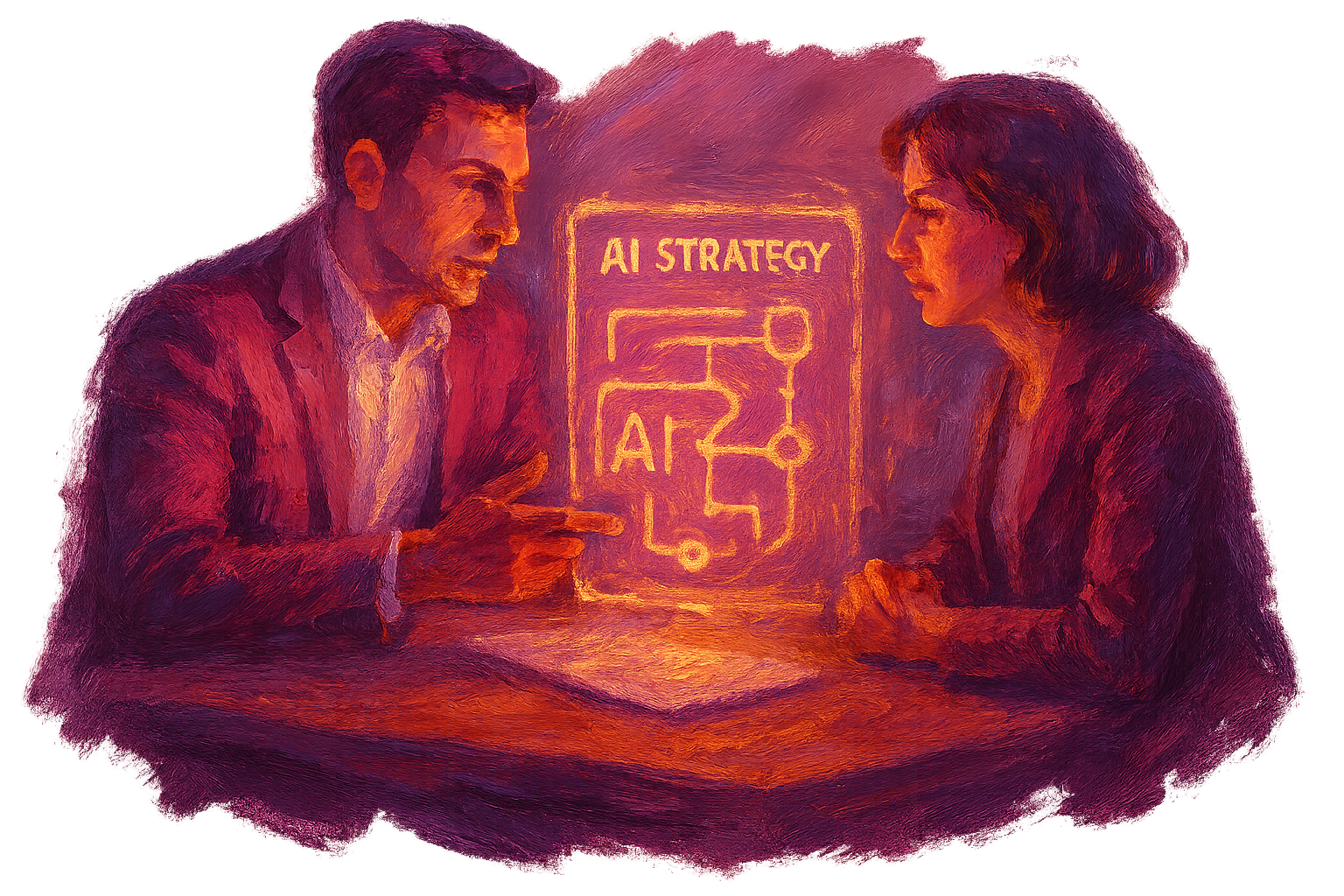






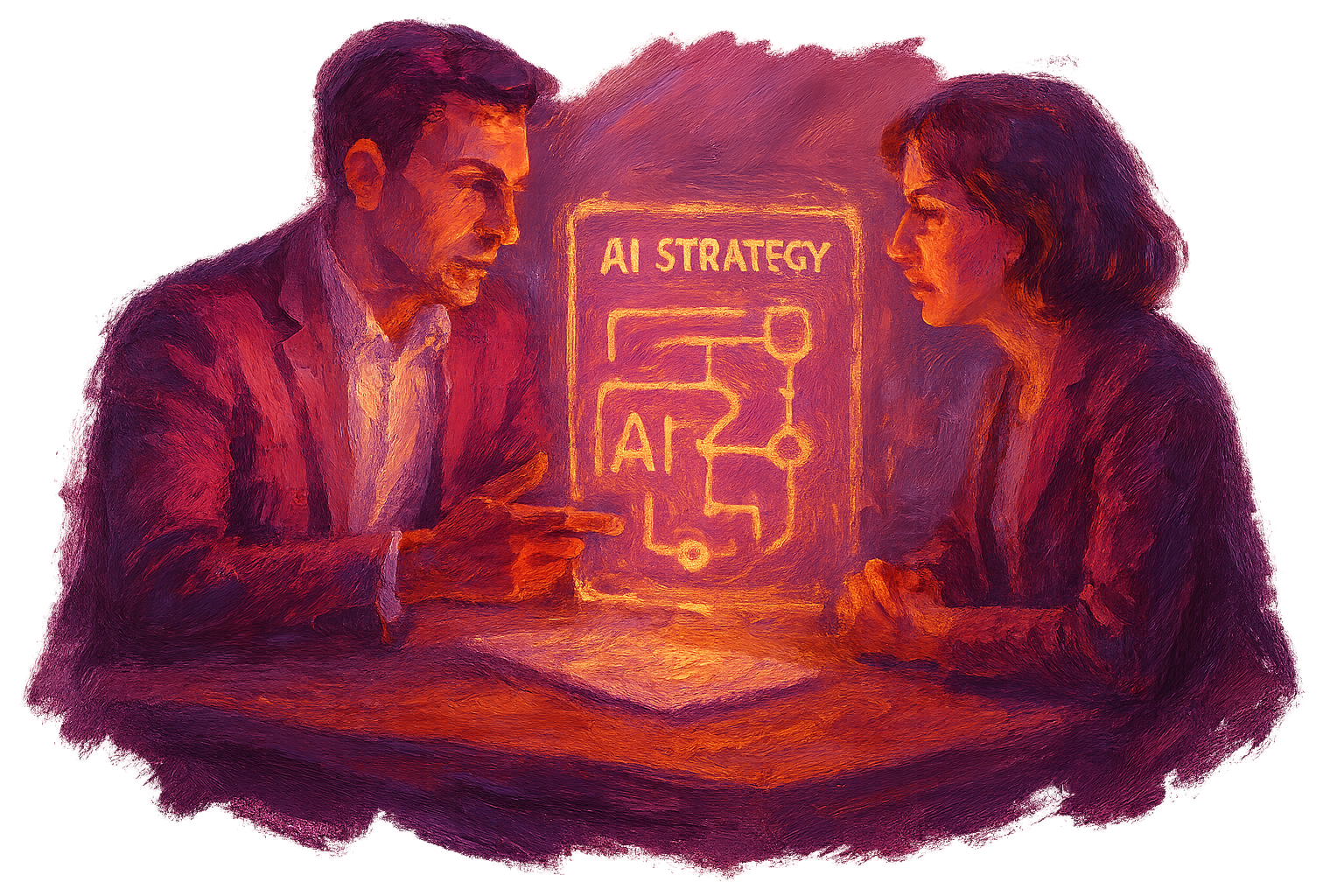
Artificial intelligence (AI) technologies have become significantly prominent in many areas of our lives in recent years; however, the security concerns they bring along...

Security Concerns Related to Artificial Intelligence#
Artificial intelligence (AI) technologies have gained significant ground in many areas of our lives in recent years; however, the security concerns they bring along are also drawing attention. While AI systems provide efficiency in data analysis, automation, and decision-making processes, the risks arising from the malicious use of these systems are also considerable. For instance, the use of AI in cyber attacks or the misuse of personal data calls existing security protocols into question. At this point, expert firms like Türk Bilişim take necessary precautions and provide guidance to ensure security standards in AI solutions. Alongside the advantages AI offers, it is important to understand the steps that need to be taken to ensure the security of these technologies.
Quick Summary
- Security concerns of artificial intelligence systems focus on malicious use and data security breaches.
- The use of AI applications in cyber attacks makes protecting user data more difficult.
- Türk Bilişim takes necessary measures to ensure high security standards in AI solutions.
Artificial Intelligence and Malicious Uses#
Artificial intelligence can be used by malicious individuals for cyber attacks. For example, AI-based bots can be used to manipulate target individuals in social engineering attacks. Because such bots have the ability to mimic human behavior, they can easily communicate with real people. Another situation threatening user security is the ability to collect and analyze data for malicious purposes. Malicious software can use AI algorithms to target personal data and use this data for harmful purposes.
- AI-based bots can be used for social engineering attacks.
- Malicious software can use AI to collect and analyze personal data.
Data Security and Privacy Concerns#
Since artificial intelligence systems operate based on large datasets, data security and privacy concerns have become an important issue. Collecting personal data without user consent and using this data in AI algorithms can lead to privacy violations. For example, transferring data obtained from a user to third parties without authorization can have serious legal and ethical consequences. Additionally, training AI systems with incorrect data can lead to wrong decisions, which increases security vulnerabilities.
Security Protocols in AI Applications#
Implementing effective security protocols is critically important to ensure the security of artificial intelligence applications. These protocols include measures such as data encryption, user authentication, and regular security updates. For example, Türk Bilişim protects user data by using advanced encryption methods to ensure high data security in AI applications. Furthermore, continuous security tests are conducted and updates are provided to make systems resilient against cyber attacks. Such security measures increase the reliability of AI systems while also reducing user concerns.
In conclusion, security concerns related to artificial intelligence are gaining increasing importance with the widespread adoption of these technologies. Malicious use of AI applications, data security breaches, and privacy issues can undermine user trust. However, expert firms like Türk Bilişim are taking the necessary steps to address these issues and raise security standards. For users to benefit from AI technologies safely, security protocols must be meticulously implemented and continuously updated. In this way, we can continue to live in a secure digital environment while enjoying the advantages of AI.
Must-Haves#
Essentials that must be present in this work:
Added Value (Bonus)#
Not mandatory but differentiating, optional items:
Türk Bilişim installs all these elements from a single source, end-to-end, and activates them in a way suitable for your business.
Pros and Cons#
Advantages
- AI can provide fast and accurate results through big data analysis.
- It can reduce human errors through automation.
- It saves time and costs by increasing efficiency.
Points to Consider
- AI systems can produce erroneous results when trained with incorrect or incomplete data.
- The decision-making processes of algorithms may not be understood by users.
Data Security in Artificial Intelligence Applications#
The use of artificial intelligence applications is rapidly increasing in daily life and business processes. However, the advantages offered by these applications also bring various security risks. Data security is critically important for AI systems to operate healthily and reliably. Particularly, protecting personal data and resilience against cyber attacks are among the primary goals in AI projects. In this context, developing data security strategies is essential both to increase user trust and to meet legal requirements. Now, let's take a look at the important elements you need to consider to ensure data security in AI applications.

Data Encryption#
Data encryption is one of the most effective methods for ensuring data security in AI applications. Encryption transforms data into a format that only authorized users can access. For example, a dataset containing financial information is made readable only by authorized individuals. This way, even in the event of a data breach, encrypted data becomes meaningless if intercepted. Many AI applications use encryption methods when collecting or processing user data to enhance data security. The diversity of encryption algorithms is another point to consider; algorithms like AES (Advanced Encryption Standard) and RSA are among the most widely used security protocols today.
Data Access Controls#
In AI systems, effective data access controls should be implemented to determine who can access the data. These controls limit access for specific users or groups, reducing potential security vulnerabilities. For instance, allowing only authorized personnel in the marketing department to access a company's customer data is an important step in ensuring data security. Additionally, such access controls provide the ability to monitor user activities, enabling a rapid response in case of any unauthorized access. Role-based access control (RBAC) stands out as an effective method for ensuring data security.
Firewalls and Monitoring Systems#
Another critical element for the security of AI applications is firewalls and monitoring systems. Firewalls monitor network traffic and block unauthorized access attempts. This prevents cyber attacks and protects system integrity. Especially since AI applications process large amounts of data, monitoring systems should also be used to protect this data. Automated threat detection systems can identify abnormal behaviors and prevent potential attacks in advance. Thus, system security is enhanced, and the risk of data loss is reduced.
In conclusion, data security in AI applications is a critical issue both for user safety and legal obligations. Methods such as data encryption, access controls, and firewalls are effective tools for ensuring this security. Managing these processes correctly increases system reliability and reduces user concerns. With the development of AI systems, measures for data security must be continuously updated and improved.
Common Mistakes#
Dataset errors
AI systems depend on the datasets they are trained on. If these datasets are erroneous or biased, the AI can produce incorrect results. The correct approach is to carefully select datasets and continuously update them.
Lack of transparency
Looking for AI Strategy & Consulting?
Let's plan the solution that fits you best.
Learn more about AI Strategy & ConsultingWithout sufficient information on how AI algorithms work, it becomes difficult for users to trust the results. When transparency is lacking, users may question the system's decision-making processes. Therefore, explaining the functioning of algorithms is important.
Incorrect assumptions
AI systems rely on assumptions made by programmers. If these assumptions are wrong, the results can be misleading. The correct approach is to carefully review and test assumptions during the system design phase.
Artificial Intelligence and Ethical Issues#
Artificial intelligence (AI) technologies have become quite popular in recent years, creating transformation in many areas of our lives. However, this rapid development has also brought along various ethical issues. For example, there are risks of bias and discrimination in AI's decision-making processes. These problems, which directly affect people's lives, lead to debates in many sectors. At this point, questions such as how AI should be used, which standards must be followed, and how the human factor can be protected in this process carry serious importance. Ignoring the ethical dimension can open deep wounds in society. Therefore, addressing these issues and seeking solutions while developing AI applications has become quite critical.

Artificial Intelligence and Human Rights#
It is important to respect human rights during the development of artificial intelligence systems. AI often works using large datasets, and the information contained in these datasets can threaten individuals' privacy. For example, an AI application may collect personal data without users' consent and perform operations on this data. Such situations can lead to violations of individuals' privacy rights. Additionally, misuse of this data is also quite possible. Therefore, it is very important to establish ethical principles within the framework of human rights and strictly adhere to these principles when developing AI applications.
- Protecting privacy: Obtaining users' consent is necessary.
- Data security: The secure storage and processing of personal data must be ensured.
Autonomy and Control Issues#
Artificial intelligence systems can act outside of human control due to their autonomous decision-making capabilities. This creates the risk that users may not be able to maintain adequate control over these systems. For example, automated decision-making processes, when carried out without human intervention, can lead to unexpected results. Even if autonomous vehicles are safe to a certain degree, accidents and errors can still occur. Such situations make it mandatory to consider ethical standards in the design of AI applications.
Bias and Discrimination Issues#
Artificial intelligence systems are influenced by the datasets they are trained on, and biases present in these datasets can be reflected in the results. For example, an AI application may discriminate based on demographic data such as gender or race. Such biases can call into question the reliability and fairness of AI applications. When people encounter decisions based on these systems, they may face situations that constitute a violation of their rights. Therefore, it is necessary to carefully select datasets and establish strategies to minimize biases when developing AI. Otherwise, such systems could deepen social inequalities even further.
In conclusion, the ethical dimension of artificial intelligence technologies is a critical issue for society. When developing AI systems, issues such as respect for human rights, autonomy and control problems, and the prevention of bias and discrimination must be taken into account. Determining and implementing ethical standards in this process is of great importance for both developers and users. For this reason, our company pays attention to adopting and applying ethical principles in AI projects. Developing an ethical approach to shape the technologies of the future is a vital necessity for AI to undergo a healthy evolution.
Expert Opinion on AI Reliability
Artificial intelligence systems can be reliable when they operate with accurate data and in accordance with ethical rules.
However, when the transparency and continuous oversight of these systems are not ensured, it becomes difficult for users to trust them. Therefore, the reliability of AI applications is directly related not only to technical competence but also to ethical and social responsibilities.
Transparency and Accountability of Artificial Intelligence Systems#
Artificial intelligence (AI) systems play a significant role in many sectors and fields today. However, with the widespread adoption of these systems, concepts such as transparency and accountability have come to the forefront. In this context, understanding how AI systems work, what data they use, and how this data is processed is critical for building user trust. While transparency helps users gain insight into AI's decision-making processes, accountability refers to the capacity to take responsibility for these systems. As Turk Bilisim, we would like to state that we have taken important steps regarding these issues.
What is Transparency in Artificial Intelligence Systems?#
Transparency means providing an open understanding of how an AI system works and what data it uses. This is important for users to monitor and understand the system's decision-making processes. For example, a credit scoring system should explain which data of applicants is used and why, and how this data is evaluated. If a user cannot understand why their credit application was rejected, this can lead to a loss of trust. Furthermore, transparency also allows for questioning whether AI systems are fair. By accessing information about the system's previous decisions, users can identify potential biases or errors.
Accountability: Why Is It Important?#
Accountability is the ability of AI systems to bear responsibility in their decision-making processes. Being able to explain how and why an AI system made a specific decision increases accountability. This is critically important, especially in healthcare, finance, and legal fields. For instance, a health diagnosis system must explain why it chose a particular treatment plan for a patient. If the user cannot receive these explanations, doubts about the system's reliability may arise. Accountability is also important for correcting potential errors. If an AI system makes a wrong decision, understanding the reason for this allows for corrective actions to be taken.
The Relationship Between Transparency and Accountability#
Transparency and accountability are two complementary concepts. A transparent system increases accountability because as users understand how the system works, they can demand more information about its decision-making processes. For example, if an automated credit approval system clearly states to the applicant how it calculated their credit score, this enhances accountability and reinforces user trust in the system. Turk Bilisim offers AI solutions by considering these two concepts and aims to facilitate users' access to information. In this context, explaining how our AI systems work is one of the factors that positively impacts the user experience.
Methods for Ensuring Transparency and Accountability in Artificial Intelligence Systems#
There are several fundamental methods to increase the level of transparency and accountability in AI systems. First, it is important to enable users to understand the system's decisions by conducting explanatory analyses. Users need to be informed about the types of data used by the AI, the algorithm structure, and the decision-making processes. Second, regularly auditing and reporting the system's decision-making processes increases accountability. Third, collecting user feedback and using this feedback in the system's development enhances both transparency and accountability. Turk Bilisim aims to make AI systems more reliable by using these methods.
In conclusion, the transparency and accountability of artificial intelligence systems are critically important for ensuring user trust. These two factors increase the effective applicability and acceptability of AI. As Turk Bilisim, by prioritizing these values when designing our AI solutions, we aim to both improve the user experience and disseminate best practices in our industry. Increasing trust in artificial intelligence systems will shape not only the user experience but also the future of AI technology.
Contact Turkish Informatics#
Get a free discovery and quote from Turkish Informatics' expert team for your project; let's achieve your digital goals together:
- Phone: 0216 755 3 555
- WhatsApp: 0532 216 07 54
- Email: [email protected]
- Web: turkbilisim.com.tr
Bu içeriği nasıl buldunuz?
Reaksiyon vermek için giriş yapmanız gerekiyor.
You Might Also Like

Gallery