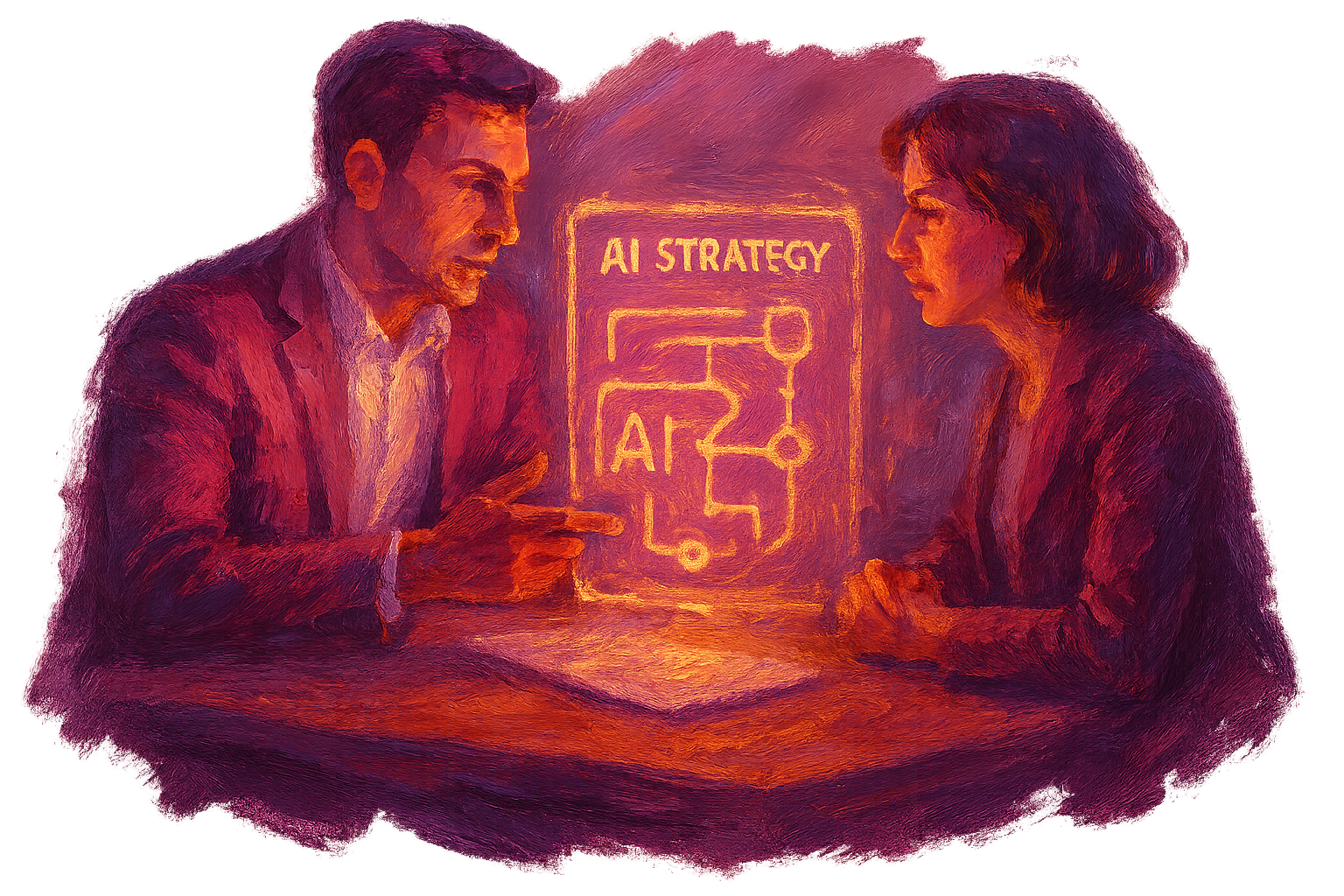






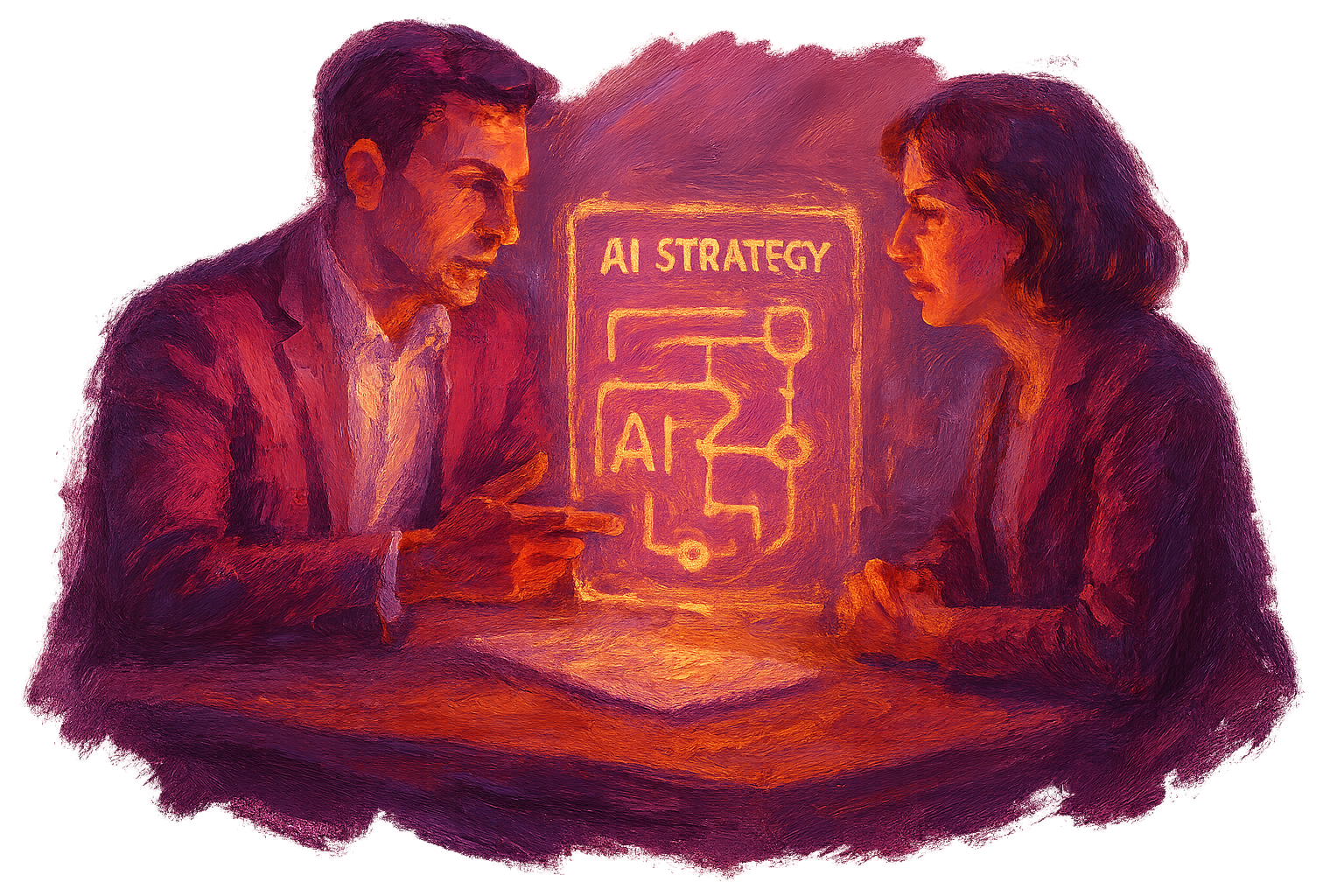
Artificial intelligence (AI) is one of the most exciting and rapidly evolving fields of modern technology.

Basic Components of Artificial Intelligence#
Artificial intelligence (AI) is one of the most exciting and rapidly developing fields of today's technology. This technology enables computers to think and learn like humans, revolutionizing various industries. Understanding the basic components of artificial intelligence is important for grasping how these systems work and which elements play a critical role in their operation. These components include data, algorithms, modeling, learning techniques, and processing power. Each component is a fundamental factor affecting the efficiency and success of AI systems. In this article, we will deeply examine these basic components of artificial intelligence and explore the function, importance, and application areas of each.
Quick Summary
- Artificial intelligence consists of several basic components: data, algorithms, modeling, learning techniques, and processing power.
- These components are critical elements that affect the efficiency and success of AI systems.
- Turk Bilisim is an expert solution partner for your artificial intelligence projects.
Data#
The fundamental building block of artificial intelligence systems is data. Data is the source of information used in the learning process of AI applications. This data can be obtained from large-scale datasets, sensors, or user interactions. For example, training an image recognition system requires thousands of labeled images. In this process, the quality and quantity of data directly affect the model's success. If sufficient and high-quality data is not provided, AI systems may produce erroneous results. Therefore, data cleaning and preprocessing stages are also critically important.
- Large datasets increase the effectiveness of machine learning algorithms.
- Data diversity affects the overall performance of the model and enables its use in a wider range of scenarios.
Algorithms#
Artificial intelligence algorithms are mathematical and statistical methods used in the process of learning from data and making predictions. These algorithms determine the learning capability of the AI system. For example, approaches such as supervised learning and unsupervised learning are selected based on different data types and application areas. Supervised learning trains a model using labeled datasets, while unsupervised learning works with unlabeled data to discover patterns within the data. Both methods offer suitable solutions for different scenarios, and the selection of these methods depends on the requirements of the application.
Modeling and Learning Techniques#
Modeling is a stage that guides the learning processes of artificial intelligence systems. In this stage, information obtained from data is processed, and an appropriate model is created. Modeling techniques can be carried out with different approaches such as deep learning, support vector machines, and decision trees. Deep learning is an effective method, especially for large datasets and complex tasks. These techniques allow AI systems to make more accurate and reliable predictions. For example, natural language processing applications benefit from deep learning models in understanding texts.
Processing Power#
The effectiveness of artificial intelligence applications depends on high processing power. Processing power refers to the computational capacity required for data processing and the application of algorithms. Especially complex algorithms like deep learning require high processing power when working with large amounts of data. Therefore, modern AI systems often use GPUs (Graphics Processing Units) to accelerate their computations. As Turk Bilisim, we offer high-performance solutions for your artificial intelligence projects using the most up-to-date technologies.
The basic components of artificial intelligence are the most important elements that determine the development and applicability of this technology. Data quality, algorithm selection, modeling techniques, and processing power play a critical role in the success of AI projects. Proper management of each of these components will increase the efficiency of artificial intelligence applications. Turk Bilisim helps you produce the right solutions by providing support with its expert team in this process.
Must-Haves#
What is absolutely necessary in this work:
Added Value (Bonus)#
Not mandatory but differentiating, optional ones:
Turk Bilisim installs all these elements from a single source, end-to-end, and puts them into operation in a way suitable for your business.
Types of Artificial Intelligence and Their Applications#
Artificial intelligence is creating revolutionary transformations in many sectors today, and its different types form the foundation of these transformations. Types of artificial intelligence can generally be divided into three main categories: narrow AI, general AI, and super AI. Each type is used in different ways in specific application areas, providing significant advantages to businesses. For example, while narrow AI is designed to perform specific tasks, general AI aims to possess human-like cognitive abilities. Super AI, although still a theoretical concept, refers to a level of intelligence that surpasses human intelligence. We will take a more detailed look at how businesses can use these types and in which areas they have application potential.
Narrow AI#
Narrow AI is the most common type and specializes in a specific task or field. For example, voice assistants (Siri, Google Assistant) or recommendation systems (Netflix, Spotify) are examples of narrow AI. This type of AI performs specific tasks by analyzing data sets without having human-like thinking abilities. For instance, a customer service chatbot can answer frequently asked questions and provide quick solutions to basic customer needs. However, this type of AI can only work on the tasks it is programmed for and cannot perform in other areas.
General AI#
General AI is a type that aims to have human-like cognitive abilities. Although it has not yet been fully developed, general AI can serve decision-making and problem-solving capacities in different fields thanks to its learning ability. For example, a general AI could help diagnose diseases based on medical data while also performing financial analyses. Since this type has the ability to mimic all aspects of human intelligence, its potential application areas are quite broad. However, the development of this type of AI faces many challenges, such as ethics and security.
Super AI#
Super AI is a theoretical type of artificial intelligence that surpasses human intelligence. This type has the potential to exceed all aspects of human thought and solve complex problems. Although such a level of AI does not currently exist, it attracts the interest of many people as it is frequently featured in science fiction films. Potential application areas of super AI could include analyses for strategic decision-making processes in institutions, complex scientific research, and automated creative processes. The development of this type could mark the beginning of a new era for humanity, but it also brings ethical issues to the forefront.
Applications of Artificial Intelligence#
Artificial intelligence is used in various ways across many sectors. In fields such as healthcare, finance, retail, and automotive, AI systems can be effectively used to increase efficiency, reduce costs, and improve customer experience. For example, in the healthcare sector, AI can perform image analysis for early diagnosis of diseases, while in the finance sector, it can use data analytics for fraud detection. Additionally, the automotive sector utilizes AI in the development of autonomous vehicles. In this context, it is possible to say that AI applications span a wide range.
In conclusion, types of artificial intelligence and their applications can provide great benefits to businesses and society. While narrow AI provides efficiency in specific tasks, general AI can undertake complex tasks in multiple areas. On the other hand, super AI, although still a theoretical concept, draws attention with its potential to surpass human intelligence. With the expertise of Turkish Informatics, each of these types can be effectively used to meet needs in different sectors.
Pros and Cons#
Advantages
- Artificial intelligence can quickly solve complex problems by performing big data analysis.
- Autonomous systems can increase safety by reducing human error.
- Artificial intelligence improves user experience by offering personalized services.
Points to Consider
- Misuse of artificial intelligence can lead to ethical issues.
- Data security concerns may limit the widespread adoption of AI applications.
The Impact of Artificial Intelligence on Our Daily Lives#
Artificial intelligence has become increasingly prevalent in our daily lives in recent years. From smart assistants to automated content creation tools, these technologies aim to make our lives easier. Especially by 2026, the impact of artificial intelligence will become more pronounced. In workplaces, education systems, and our daily shopping, the solutions offered by artificial intelligence stand out with their performance-enhancing and time-saving features. In this article, we will explore how artificial intelligence is used in different areas and how it transforms our lives.

Artificial Intelligence and the Business World#
Today, many businesses aim to increase their efficiency by using artificial intelligence. For example, in production processes, artificial intelligence offers solutions that enhance productivity through data analysis. Automation systems reduce human errors and increase the speed of the production process. Additionally, AI-powered customer service systems improve satisfaction by instantly responding to user queries. For instance, a customer support department can immediately address incoming requests using an AI-based chatbot.
- Reducing wait times in customer service.
- Improving strategic decision-making processes through data analysis.
Artificial Intelligence and Education#
The impact of artificial intelligence is also growing in the field of education. AI-based platforms that monitor student performance and offer personalized learning paths provide a more effective approach to education. For example, if a student struggles with math, artificial intelligence can support their learning by offering additional materials and tests suited to their level. Furthermore, for teachers, artificial intelligence helps analyze student achievements to identify areas where support is needed.
Artificial Intelligence and Daily Life#
In daily life, artificial intelligence manifests itself through smart home systems. Smart thermostats learn users' lifestyles and help save energy. For instance, a smart home system can learn the times when the user is at home and automatically adjust heating or cooling. Additionally, AI-powered virtual assistants simplify users' lives by performing tasks such as daily calendar management, reminders, and even creating shopping lists.
In conclusion, artificial intelligence is bringing revolutionary changes to our daily lives. With increased efficiency in the business world, personalized learning in education, and smart applications in daily life, artificial intelligence is becoming an integral part of our lives. This transformation will not only improve our quality of life but also pave the way for future developments. Türk Bilişim continues to offer innovative solutions as part of this transformation.
Common Mistakes#
Misconception
The idea that artificial intelligence is an exact copy of human intelligence is incorrect. While artificial intelligence can perform specific tasks, human intelligence possesses emotional and social skills. Therefore, AI systems should not be expected to exhibit human-like behavior.
Data Dependency
Artificial intelligence systems rely on accurate and high-quality data. Using insufficient or incorrect data can lead to erroneous results. Therefore, it is important to pay attention to data quality and continuously feed the system with up-to-date data.
Overreliance
Overrelying on artificial intelligence applications can negatively impact human decision-making processes. AI systems can make mistakes, and being aware of these mistakes highlights the importance of human intervention. Users need to understand the limitations of artificial intelligence.
Ethical Dimensions of Artificial Intelligence Development#
The process of developing artificial intelligence (AI) involves not only technical skills and algorithms but also a significant responsibility regarding ethical values. AI systems can make decisions that directly impact people's lives, making the establishment of ethical frameworks critically important. In this process, questions arise about how AI is trained, what data is used, and who benefits from its outcomes. Additionally, how AI applications can be aligned with ethical principles such as transparency, fairness, and accountability is a key topic of discussion. In this article, we will examine the main ethical dimensions of AI development and offer practical suggestions on how these dimensions should be addressed.

Fairness and Discrimination#
Artificial intelligence systems learn through training data, and biases in the data can directly influence the outcomes of algorithms. For example, if an AI model is based on data that does not adequately represent various demographic groups, it may lead to discrimination. This can create serious issues, particularly in critical areas such as employment, credit lending, and law. For instance, a job application evaluation system focusing solely on a specific gender or ethnic group could result in the exclusion of others. Therefore, AI developers must be careful to increase the representativeness of training data sets and minimize biases.
- Increasing the diversity of training data
- Conducting bias tests and regularly auditing results
Transparency#
Ensuring transparency in how artificial intelligence systems operate is critical for users to trust these systems. Users need to understand how AI makes decisions to evaluate whether the system is fair and ethical. For example, explaining the reasoning behind decisions made by an AI system in a credit approval process helps users see how the process works. Transparency in AI systems also allows developers to continuously improve their algorithms. Accordingly, establishing and implementing transparency policies has become a necessity for the success of AI projects.
Responsibility and Accountability#
The question of who is responsible for the outcomes of artificial intelligence systems is one of the most complex ethical dimensions. Since AI decisions can be made without human intervention, it can become unclear who is accountable when a wrong decision is made. This creates concern among AI developers and users. For example, in the event of an accident involving an autonomous vehicle, debates may arise over whether the manufacturer or the software developer is responsible. Therefore, defining the principles of responsibility and accountability in AI projects and making them applicable is of vital importance.
In conclusion, the ethical dimensions of AI development are becoming increasingly important as technology advances. Developers considering ethical principles such as fairness, transparency, and responsibility while working on their projects will both provide societal benefits and enhance the reliability of AI systems. As Türk Bilişim, we manage your AI projects end-to-end, taking these ethical dimensions into account, and help you achieve the best results. We are here for you with our knowledge and experience throughout this process.
Artificial Intelligence and Its Future
Artificial intelligence lies at the heart of the technological transformation of the future. From the business world to our daily lives, AI applications make processes more efficient in many areas.
However, it is equally important to reflect on the ethical and social impacts of artificial intelligence. With advancing technologies, more discussion is needed on what role humanity will play in this transformation and how AI will shape human life.
Contact Turkish Informatics#
Get a free evaluation and quote from Turkish Informatics' expert team for your project:
- Phone: 0216 755 3 555
- WhatsApp: 0532 216 07 54
- Email: [email protected]
- Web: turkbilisim.com.tr

Bu içeriği nasıl buldunuz?
Reaksiyon vermek için giriş yapmanız gerekiyor.
You Might Also Like


Gallery