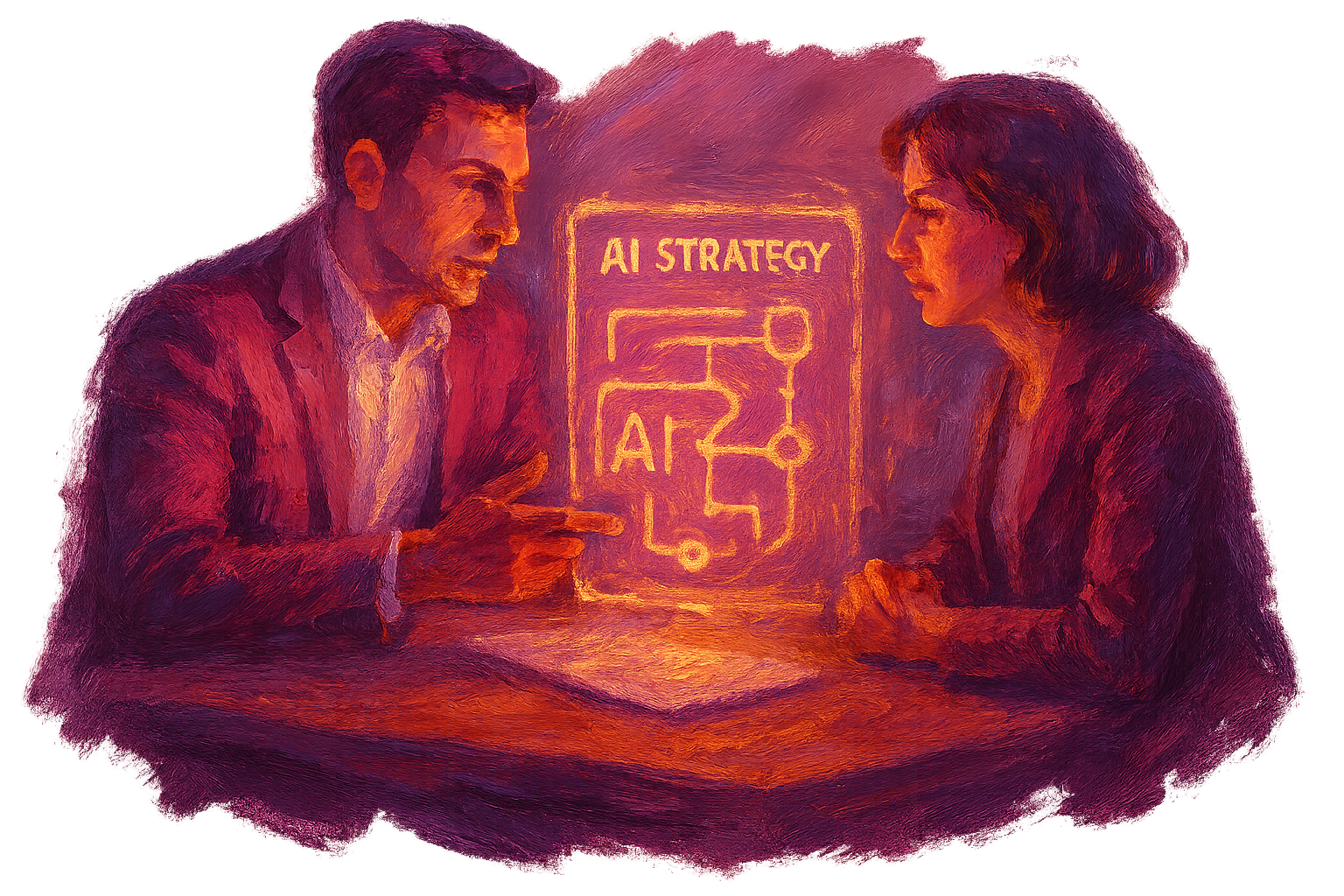






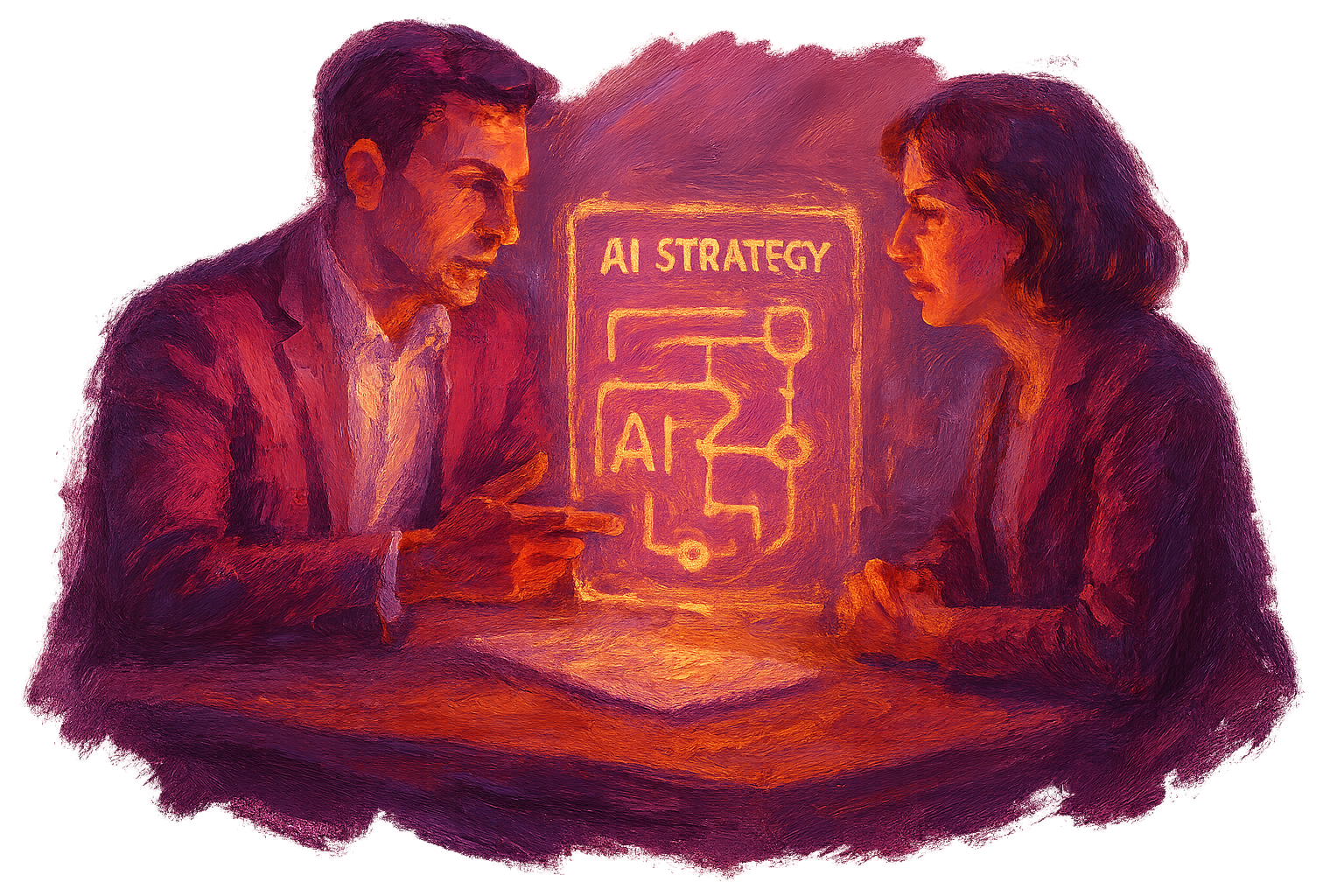
Artificial intelligence is a complex system created by the combination of many different components.

Core Components of Artificial Intelligence Technologies#
Artificial intelligence is a complex system formed by the combination of many different components. Each component directly impacts the efficiency and effectiveness of AI applications. Therefore, to understand AI technologies, it is important to know how these components work and interact with each other. Data, algorithms, learning methods, and processing power form the fundamental building blocks of AI. In this article, we will examine the main components of AI systems in detail and highlight the expertise of Türk Bilişim in this field.
Quick Summary
- The core components of AI systems are data, algorithms, learning methods, and processing power.
- Data is the most important element that enables AI to learn.
- Türk Bilişim stands out with its extensive experience in AI projects.
Data and Data Management#
The most important component of AI systems is data. Data forms the foundation for AI models to learn and make decisions. For example, an image recognition model can be trained with thousands of labeled images to recognize the content of new images. However, data quality directly affects the model's success. Low-quality or incomplete data can cause the model to produce incorrect results. Additionally, data management strategies are of great importance; this covers how data will be collected, stored, and processed.
- Data collection methods: surveys, sensors, web scraping.
- Data cleaning and preprocessing: completing missing data, removing noise.
Algorithms and Model Development#
Algorithms used in AI applications stand out as mathematical structures that manage the learning process from data. Machine learning algorithms make predictions by extracting patterns from data. For example, regression analysis, classification, and clustering algorithms are fundamental methods that can be applied to different data types. In the model development process, selecting the right algorithm and tuning parameters are critically important. Choosing the wrong algorithm can negatively impact the model's success.
Learning Methods#
AI systems primarily use two main learning methods: supervised learning and unsupervised learning. Supervised learning is a training process conducted with labeled data; here, the model is compared with predetermined labels to learn correct outcomes. Unsupervised learning, on the other hand, is a process conducted without labeled data and aims to discover natural patterns within the data. Both methods have their own advantages and disadvantages. For instance, supervised learning generally offers higher accuracy but requires a large amount of labeled data. Unsupervised learning may be more suitable in cases where data labeling is difficult.
Processing Power and Infrastructure#
AI systems require high processing power to handle large datasets and run complex algorithms. This processing power is typically provided through cloud computing infrastructures or specialized hardware. For example, graphics processing units (GPUs) are widely used in AI applications because they have the ability to perform numerous computational tasks in parallel. This significantly shortens training times. Türk Bilişim aims to accelerate its projects with high-performance processing infrastructures.
In conclusion, the core components of AI technologies consist of data, algorithms, learning methods, and processing power. Each component directly affects the effectiveness of the AI system. For advanced AI project management and implementation, it is important to understand and optimize each of these components. Türk Bilişim stands out in the industry with its experience in managing this complex structure.
Must-Haves#
Essentials that must be present in this work:
Added Value (Bonus)#
Not mandatory but differentiating, optional elements:
Türk Bilişim installs all these elements end-to-end from a single source and activates them in a way suitable for your business.
Pros and Cons#
Advantages
- Increased Efficiency: AI automates tasks, saving time and resources.
- Big Data Analysis: AI can analyze massive datasets to uncover patterns invisible to humans.
- Fast Decision Making: AI systems can process real-time data to make quick and effective decisions.
Points to Consider
- Data Dependency: AI systems require large amounts of high-quality data to produce accurate results.
- Overfitting: The model's excessive adaptation to training data can negatively impact its overall performance.
The Relationship Between Data Analysis and Artificial Intelligence#
Data analysis and artificial intelligence (AI) are two critical components that complement each other in the modern business world. Data analysis refers to the process of extracting meaningful information from large datasets, while AI aims to develop systems capable of learning from this data and making decisions. For example, an e-commerce platform can analyze customer shopping habits and create recommendation systems using AI. Such systems enhance user experience while also having the potential to increase sales. In other words, once data analysis is performed, how AI will utilize this data can be determined more clearly. In this article, we will delve deeper into the relationship between data analysis and artificial intelligence.

Fundamental Elements of Data Analysis#
Data analysis is a process consisting of several stages. First, data must be collected from various sources (sales data, customer feedback, social media interactions, etc.). Then, the collected data goes through the cleaning and organizing stage. In this stage, missing data is completed and inconsistencies are resolved. For instance, a retail company, while collecting sales data, must normalize data from different stores if inconsistencies arise. The third stage is data analysis, where statistical methods, data mining techniques, and visualization tools can be used. This stage involves extracting meaningful results from the data. Finally, the obtained data must be interpreted and integrated into strategic decision-making processes. At this stage, insights provided by data analysis can be integrated with AI applications.
- Data Collection: The process of obtaining data from various sources.
- Data Cleaning: Correcting missing and inconsistent data.
- Data Analysis: Conducting analysis using statistical methods and visualization tools.
The Role of Artificial Intelligence in Data Analysis#
Artificial intelligence encompasses a set of methods and techniques that make data analysis more effective and efficient. When methods like machine learning and deep learning are applied to large datasets, they can identify significant patterns and trends without human intervention. For example, in a bank's credit risk assessment process, AI can predict the risk level of new applications using historical customer data. To better understand this, it is important to note that an AI model must be trained on historical data and then evaluate new data to make decisions. Such automation speeds up processes while also reducing the margin of human error. Additionally, AI applications support companies' strategic decision-making processes by presenting data analysis results in a user-friendly format.
Integration of Data Analysis and Artificial Intelligence#
The integration of data analysis and artificial intelligence offers various advantages to businesses. Through integration, the results of analyses performed on datasets can be quickly processed by AI algorithms. For example, a customer service center can analyze frequently encountered issues using an AI-supported system and develop automated responses. This increases customer satisfaction while allowing employees to focus on more complex problems. Furthermore, data visualization can be made more effective with AI, providing managers and decision-makers with a clearer perspective when making data-driven decisions.
In conclusion, the relationship between data analysis and artificial intelligence plays a critical role in making business processes more effective and efficient. While data analysis refers to the process of extracting meaningful information from large datasets, AI aims to develop systems capable of processing this data and making decisions without human intervention. Established companies like Turkish Informatics aim to provide better service to their customers by integrating these two components. Through the integration of data analysis and artificial intelligence, businesses can gain a competitive advantage and make more informed decisions.
Common Mistakes#
Neglecting Data Quality
When AI systems are trained with low-quality or erroneous data, they can produce incorrect results. This undermines the reliability of the model. Proper collection and processing of data is key to success.
Overly Complex Model
An overly complex model may overfit the training data, resulting in poor performance on new data. This reduces the model's generalization ability. Simpler and more effective models should be preferred.
Inadequate Management of the Training Process
An insufficient training process can negatively impact the model's performance. Careful management of the training process optimizes the model's learning and leads to better results.
Machine Learning: How Does It Learn?#
Machine learning is a subfield of artificial intelligence that learns from data and applies this learning. Systems learn through experience and can produce better results over time. This process has gained significant importance, especially in the era of big data, for processing and analyzing data. So, how does machine learning learn? Essentially, machine learning algorithms analyze data to identify patterns and make predictions based on these patterns. In this article, we will examine in detail how machine learning works and its learning processes.

Data Preparation#
The learning process of machine learning begins with quality data. Data often comes in a messy and raw format. Therefore, the first step is data preparation. Data cleaning, completing missing data, and removing unnecessary information are done at this stage. For example, if you want to make sales predictions using customer data from an e-commerce site, you must collect customer information accurately and ensure it is complete. Additionally, it is important that the data is in the correct format and properly labeled.
- Data cleaning: Correcting missing or erroneous data.
- Data labeling: Categorizing data into specific groups.
- Feature engineering: Extracting new features from data.
Learning Algorithms#
Machine learning has two main categories of learning algorithms: supervised and unsupervised. Supervised learning is a method where the system is trained with labeled data. For example, an email spam filtering system uses labeled data to identify spam and non-spam emails. Unsupervised learning, on the other hand, works with unlabeled data and discovers patterns within the data on its own. For instance, customer segmentation analysis can be performed using unsupervised learning.
Model Evaluation and Improvement#
Performance metrics are used to evaluate the success of a model. These metrics indicate how accurate the model's predictions are. For example, metrics like accuracy, precision, and recall are used for a classification model. For model validation, methods such as k-fold cross-validation can also be applied. The results are used to identify the model's weaknesses and make improvements. For instance, if your model has a 70% accuracy rate, you can collect more data, add new features, or try different algorithms to improve this situation.
Common Mistakes and Correct Methods#
One of the frequently encountered mistakes in machine learning applications is the problem of overfitting. Overfitting occurs when a model fits the training data too well but performs poorly on new data. To prevent this, it is important to properly split the dataset and try different modeling techniques. Additionally, using strategies like early stopping to manage the model's training process can be beneficial.
In conclusion, the machine learning process includes stages of data preparation, algorithm selection, model evaluation, and continuous improvement. Taking a careful approach in this process and analyzing data correctly is essential for a successful machine learning application. Taking the right steps to overcome the challenges you may face at each stage will bring you closer to success. At this point, working with an expert team and determining the right strategies can increase the success of your project.
The Future of Artificial Intelligence Technology
Artificial intelligence is at the center of the technological transformation of the future, and this transformation will fundamentally change the way industries operate.
Developing artificial intelligence applications offer revolutionary innovations in many fields such as healthcare, finance, and education, making human life easier. Therefore, the proper development and implementation of artificial intelligence systems lay the foundations for a sustainable future.
Neural Networks and Deep Learning Processes#
Neural networks and deep learning emerge as one of the most exciting and innovative fields of our time. With the advantages they provide, especially in data analysis and prediction processes, they are creating revolutionary changes in many sectors. Neural networks are a type of artificial intelligence capable of processing data through the operation of interconnected neurons arranged in multiple layers. Deep learning, on the other hand, is the structuring of these neural networks to include more complex and deeper layers. In this article, we will examine in detail how neural networks work, the fundamental components of deep learning processes, and how these technologies are applied.
Basic Structure of Neural Networks#
Neural networks, in a simple form, resemble the functioning of neurons in the human brain. A neural network typically consists of three main layers: an input layer, hidden layers, and an output layer. The input layer represents the data received by the model. Hidden layers contain the calculations performed between neurons for processing and analyzing the data. Finally, the output layer provides the model's results. This structure demonstrates how neural networks work in decision-making processes. For example, when a neural network classifies the content of an image, the pixels of the image are analyzed in the input layer, complex features are extracted in the hidden layers, and the relevant classification is made in the output layer.
- Input Layer: The first layer where data is received.
- Hidden Layers: Layers where data is processed and customized.
- Output Layer: The final layer where results are presented.
Training Stages in Deep Learning Processes#
The deep learning process generally consists of stages: data collection, data preprocessing, model building, model training, and model testing. In the first stage, collecting sufficient data is essential; this data determines how accurately and effectively the model will work. In the second stage, the data needs to be cleaned and organized. This helps the model learn better. In the model building stage, the architecture of the neural network is determined, and following this stage, model training begins. During this process, the model learns from the training data, and its performance is enhanced using optimization algorithms. Finally, the model testing stage is crucial for evaluating how well the model performs on real-world data.
Application Areas and Examples#
Neural networks and deep learning are applied in many fields. For instance, in the healthcare sector, image processing systems used for disease diagnosis provide faster and more accurate results thanks to neural networks. Additionally, these technologies are used for fraud detection in the financial sector. For example, a model evaluating a bank's loan applications can identify potential fraud cases based on historical data. Furthermore, in the field of natural language processing, deep learning models are frequently used to analyze and summarize the meaning of texts.
In conclusion, neural networks and deep learning processes hold a significant place in the technology world and are revolutionizing many different sectors. As Türk Bilişim, we can make your business processes more efficient by using these technologies. Together with our expert team, we can develop custom projects tailored to your business needs by leveraging deep learning and neural network solutions. Contact Türk Bilişim for your advanced data analysis and machine learning needs!
Contact Turkish Informatics#
Get a free discovery and quote from Turkish Informatics' expert team for your project; let's achieve your digital goals together:
- Phone: 0216 755 3 555
- WhatsApp: 0532 216 07 54
- Email: [email protected]
- Web: turkbilisim.com.tr
Bu içeriği nasıl buldunuz?
Reaksiyon vermek için giriş yapmanız gerekiyor.
You Might Also Like


Gallery