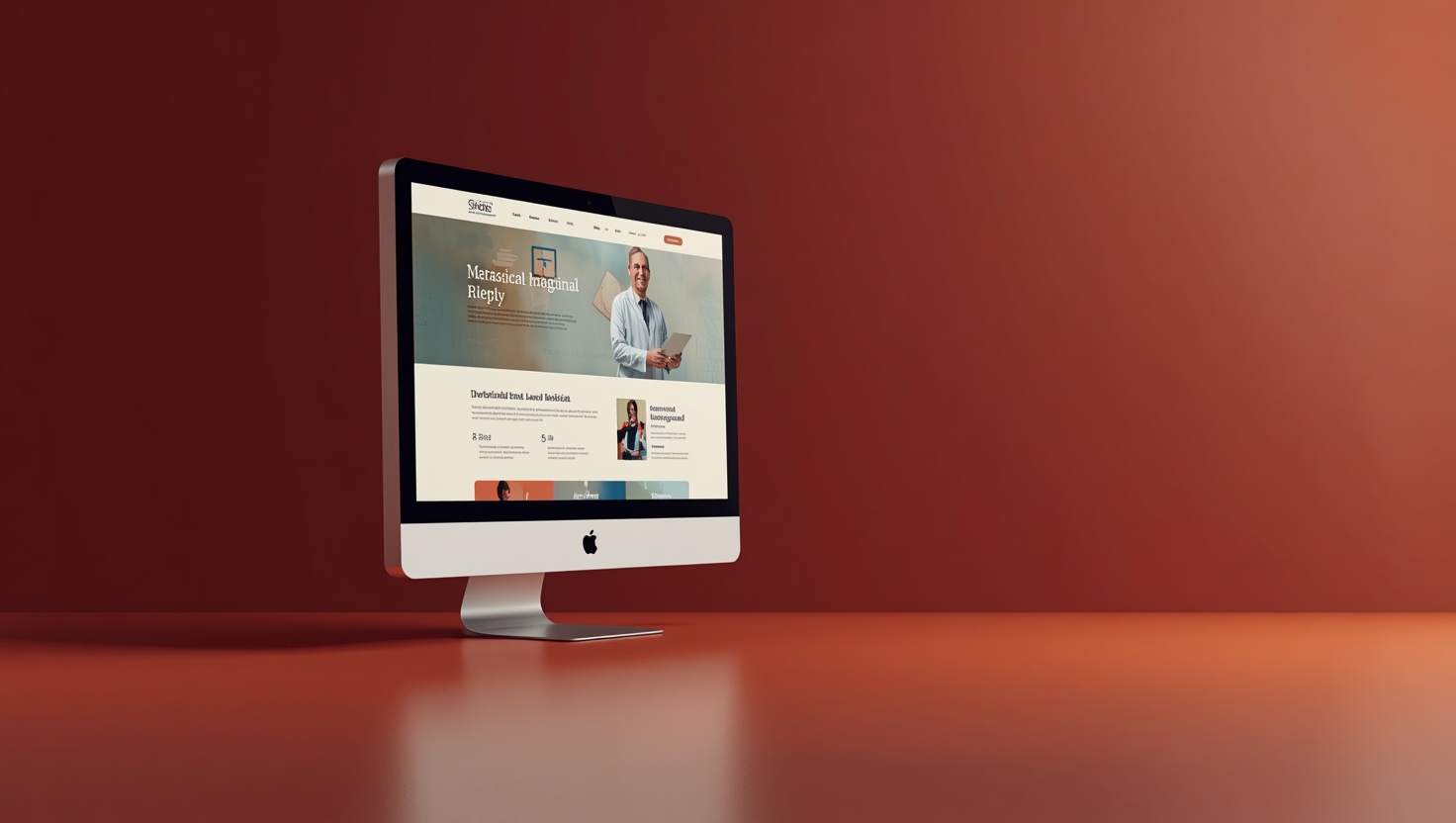







Clinical websites play a significant role in the delivery of healthcare services and the management of patient relationships.

The Importance and Advantages of a Clinic Website#
Clinic websites play a significant role in delivering healthcare services and managing patient relationships. In today's digital landscape, as patients' methods of accessing information evolve, the online presence of clinics has become even more critical. A website not only provides patients with information about healthcare services but also offers opportunities to enhance the clinic's reputation and attract new patients. Particularly, a website supported by a user-friendly design, mobile compatibility, and effective content strategies can increase patient satisfaction and help clinics reach a wider audience. Therefore, emphasizing the importance and advantages of clinic websites is highly valuable.
Quick Summary
- Clinic websites provide patient information and clinical services.
- Mobile compatibility and user-friendly design increase patient satisfaction.
- A good website strengthens the clinic's reputation and supports new patient acquisition.
Patient Access to Information#
Patients prefer using online resources to obtain information about healthcare services. Clinic websites provide patients with quick and easy access to the information they need. For example, a frequently asked questions (FAQ) section helps patients learn about topics they are curious about. Additionally, a website equipped with details about available healthcare services, areas of expertise, and appointment booking processes facilitates patients' decision-making processes. This also brings the potential for clinics to increase their patient numbers.
Mobile Compatibility and User Experience#
Mobile compatibility is a critical factor for the success of a website today. A large portion of patients access health information via their mobile phones or tablets. Therefore, clinic websites must have a mobile-friendly design. A mobile-compatible site allows users to navigate pages comfortably and quickly find the information they need. For instance, a clinic website with content and navigation optimized specifically for mobile devices can significantly improve the patient experience.
Strong Reputation Management#
A clinic can enhance its reputation through an effective website. Including patient reviews and success stories on the website creates a positive impact on potential patients. For example, positive feedback from previous patients helps new patients learn more about the clinic and build trust. Additionally, keeping clinic information up-to-date and sharing innovations in the healthcare sector further increases this trust. Turk Bilisim helps clinics manage this process effectively, strengthening their digital presence.
In short, clinic websites are not just an information tool but also an important platform that strengthens patient relationships and contributes to clinic growth. A well-designed and mobile-compatible website offers patients quick access to information while enhancing the clinic's reputation. As Turk Bilisim, we contribute to clinics' digital transformation processes with the solutions we provide in this field.
Must-Haves#
Essentials that must be included:
Added Value (Bonus)#
Not mandatory but differentiating and optional:
Turk Bilisim sets up and activates all these elements end-to-end, tailored to your business.
Pros and Cons of Using Ready-Made Websites#
Ready-made websites offer an attractive option for small and medium-sized businesses. These types of sites generally provide advantages such as rapid setup, cost-effectiveness, and ease of maintenance. However, they also come with disadvantages like limited customization options, SEO issues, and compatibility problems. In this article, we will thoroughly examine the pros and cons of ready-made websites. We will discuss in which situations a ready-made website should be chosen and when it is necessary to switch to custom designs. In this context, we will also provide information on the criteria for evaluating ready-made websites.

Fast Setup and Ease of Use#
Ready-made websites typically become usable instantly with just a few clicks. For example, a user can select a ready-made template, upload their content, make a few adjustments, and launch the website within a few hours. This is a significant advantage, especially for those looking to establish a new online presence. A good ready-made website should have a user-friendly interface and facilitate content updates. Some key features users look for in such sites include:
- Intuitive content management systems (CMS)
- Quick theme changes and customization options
- Mobile-responsive design
Cost-Effectiveness#
While custom-designed websites often require a high initial cost, ready-made websites can be set up at lower costs. This allows businesses to use their budgets more efficiently. Most ready-made systems operate on an annual or monthly subscription model, making costs more predictable. However, in the long run, as business needs grow, additional costs may arise. For example:
- Extra license fees for additional features
- Annual contracts for maintenance and support services
- The need to outsource for SEO optimization
Limited Customization Options#
Ready-made websites often offer limited customization options. While users can choose from templates, they cannot go beyond the design elements provided by those templates. This can create challenges in reflecting brand identity. Therefore, this can be a disadvantage for businesses with customization needs. For instance, if a restaurant owner wants a custom design that reflects their menu and services, a ready-made site may not meet this need.
SEO and Performance Issues#
Ready-made websites can often be weak in terms of SEO optimization. Templates are generally designed to meet general needs and may therefore fall short for industry-specific SEO strategies. Consequently, users may need to turn to external resources to improve SEO, which can mean additional costs and time loss. Additionally, slow loading times in some ready-made systems can negatively impact user experience. For example, most mobile users do not prefer to wait more than 3 seconds for a site to load.
In conclusion, while ready-made websites offer an attractive option in certain situations, factors such as customization requirements and SEO suitability should be considered. It is critical for businesses to find the most suitable solution based on their needs. In this context, working with a group that offers the best solutions tailored to your needs as a web solution provider can provide significant long-term advantages.
Pros and Cons#
Advantages
- Custom websites can better reflect the clinic's identity and values.
- Ready-made templates are often faster and less costly.
- Custom design can enhance user experience and interaction.
Points to Consider
- Ready-made websites may offer limited customization options.
- Custom designs may require more time and resources.
Benefits of Custom Website Design#
Custom website design helps businesses create a unique presence in the digital world. For any business, a website that effectively promotes its products or services is one of the most important ways to reach potential customers. Without being limited to standard solutions, custom websites, with their structure customizable according to business needs, enhance user experience and increase interaction rates. Custom designs best reflect the brand's identity while enabling a deeper connection with the target audience. In this article, we will discuss the benefits of custom websites, how they should be created, and the points to consider in this process.
User Experience and Interaction#
Custom websites offer significant advantages in terms of user experience (UX). Custom designs that allow users to navigate the site comfortably when they visit help users stay on the site longer. For example, a user-friendly interface enables visitors to quickly access the information they are looking for. Additionally, it is possible to capture users' attention by adding interactive components and visual elements. This increases users' interaction with your site and can boost conversion rates. In custom design, each page is optimized according to user needs, allowing users to spend more time on your site.
- Design elements tailored to the target audience
- Structure providing fast and easy access
Strengthening Brand Image#
Brand image is an important factor influencing how potential customers perceive your business. Custom web design offers a platform that reflects your brand's personality and values. For instance, color palettes, fonts, and graphic elements can be used as tools to tell your brand's story. Having your own design helps you stand out from competitors and build a stronger connection with your customers. Custom websites allow brands to become an identity, which fosters customer loyalty in the long run.

SEO and Visibility Advantages#
Custom web design also offers significant advantages in terms of search engine optimization (SEO). Standard templates are often limited in terms of SEO. However, a custom-designed website can be structured according to SEO rules. For example, factors such as creating a sitemap, keyword optimization, and mobile compatibility can be implemented more effectively with custom design. This allows you to achieve better rankings in search engines and reach potential customers more easily. With a good SEO strategy, your website receives more organic traffic, which increases your conversion rates.
Flexibility and Scalability#
Custom website design allows businesses to evolve according to their needs as they grow. A site initially designed for a specific goal can be updated over time based on changing market conditions and company strategy. For example, adding new products or updating existing content is quite easy. This flexibility helps businesses continuously renew themselves. Additionally, custom websites offer a scalable structure for businesses that are growing or expanding over any period, thus increasing the ability to respond to changing needs.
Custom web design enables your business to exist more effectively in the digital world while also increasing conversion rates by enhancing user experience. In this regard, it helps businesses build a deeper connection with their target audience, strengthen their brand image, and increase their visibility. As a result, a custom website is not just a necessity for businesses but also an opportunity to stand out in the competition.
Common Mistakes#
Poor Design Choices
Poor design can cause users to leave the site. Color mismatches or complex navigation structures negatively impact user experience. The right approach is to create a user-focused design.
Insufficient Content Management
Outdated content undermines patient trust. Clinical information and services need to be regularly updated. The right approach is to plan updates by creating a content calendar.
Lack of Mobile Compatibility
Sites that are not mobile-friendly risk losing mobile users. Today, many people access the internet via mobile devices. The right approach is to use responsive design to ensure compatibility across all devices.
Determining the Best Option for Your Target Audience#
Determining the best option for your target audience is a critical step on the path to success. This step not only involves choosing the right product or service but also requires understanding the needs, expectations, and behaviors of your potential customers. Accurately identifying your target audience will enhance the effectiveness of your marketing strategies and maximize your return on investment. Therefore, the steps to follow and the points to consider in this process are of great importance. We will examine which methods and tools you can use to better understand your target audience.
The Importance of Defining Your Target Audience#
Defining your target audience is the first step that shapes your marketing strategy. Without identifying your target audience, it is very difficult to convey the right message and create content that meets their needs. At this stage, it is important to consider demographic, psychographic, and behavioral characteristics. For example, if you are targeting a youth brand, you should focus on factors such as users' social media behaviors, interests, and lifestyles.
- Demographic characteristics: Age, gender, income level
- Psychographic characteristics: Interests, lifestyle, values
- Behavioral characteristics: Shopping habits, brand loyalty
Data Collection Methods#
Collecting data to define your target audience is an inevitable process. By using different methods, you can gain in-depth information about your potential customers. Surveys, focus group studies, and social media analyses are effective tools for understanding the behaviors and needs of your target audience. For example, through surveys, you can reach your customers directly and learn what they think about your product or service. This data will help you make strategic decisions.
Segmentation and Targeting#
Using the data you have collected, segmenting your target audience is quite critical. Segmentation allows you to group your customers based on similar characteristics, enabling you to create more targeted marketing strategies. These groups can be formed based on demographic characteristics, behavioral factors, or interests. For instance, designing a separate campaign for young adults allows you to better reflect their language and interests. The most important point to consider when segmenting is to clearly understand the needs and expectations of each segment.
In conclusion, determining the best option for your target audience becomes possible with the right data collection methods and segmentation strategies. When defining your target audience, you must take the necessary steps to understand their needs, expectations, and behaviors. In this process, our company's expert team can assist you in effectively defining your target audience and creating your strategies. By taking the right steps towards your target audience, you can make your marketing efforts successful!
Originality and Functionality in Clinic Website Design
Clinic websites should not only provide information but also prioritize user experience.
While an original design strengthens the clinic's identity, functionality plays a critical role in meeting patients' needs.
Key Considerations When Choosing a Clinic Website#
Designing a clinic website goes beyond creating an aesthetic appearance; it directly impacts user experience and patients' access to information. Therefore, the factors to consider when selecting a clinic website are quite critical. Your website serves as the first impression for potential patients, so it must be equipped with the right design and content strategies. A good clinic website should meet the needs of both healthcare providers and patients. In this article, we will examine in detail the elements that will enhance the success of your clinic website.
Target Audience Analysis#
One of the most important factors in the success of a clinic website is accurately analyzing the target audience. The target audience influences everything from your website's design to its content. For example, a clinic targeting pediatric patients might prefer a colorful and fun design, while a clinic catering to elderly patients may require a simpler and more readable design. When defining your target audience, consider demographic factors such as age, gender, and health needs. Additionally, it is important to understand which platforms patients use when seeking information and which features will capture their attention.
User Experience (UX) and User Interface (UI)#
User experience (UX) and user interface (UI) are two key elements that determine the functionality of a clinic website. User experience refers to the overall satisfaction patients feel when interacting with your website, while user interface encompasses the visual design and ease of use. To ensure a good user experience, your site must load quickly, be mobile-friendly, and have simple navigation. For instance, patients should not encounter a complicated process when trying to book an appointment. Here are some important user experience elements:
Content Strategy and SEO Practices#
The content of your website is critical for ensuring patients access accurate information. In this context, the content on your site must be current, accurate, and understandable. Creating an FAQ (Frequently Asked Questions) section that addresses common patient inquiries adds value to your website. Additionally, making your content SEO (Search Engine Optimization) compliant increases your visibility in search engines. SEO practices include strategies such as keyword research, proper use of meta tags, and acquiring quality backlinks. Another important point to remember is to regularly update your content to continuously provide information to your patients.
Security and Privacy#
Since clinic websites collect patients' personal and health information, security and privacy are extremely important. Protecting personal data is both a legal requirement and necessary to earn your patients' trust. Using an SSL certificate on your website ensures secure data transmission. Additionally, complying with local regulations such as KVKK (Personal Data Protection Law) helps prevent potential legal issues. Be transparent about how you use users' data; create a privacy policy and share it prominently on your website.
In conclusion, there are many factors to consider when designing a clinic website. Elements such as target audience analysis, user experience, content strategy, and security directly affect the success of your website. As Türk Bilişim, we successfully integrate these elements by managing the design and development of your clinic website end-to-end. Get a free evaluation and quote for your project from the expert team at Türk Bilişim:
- Phone: 0216 755 3 555
- WhatsApp: 0532 216 07 54
- Email: [email protected]
- Web: turkbilisim.com.tr
Bu içeriği nasıl buldunuz?
Reaksiyon vermek için giriş yapmanız gerekiyor.
You Might Also Like






Gallery