



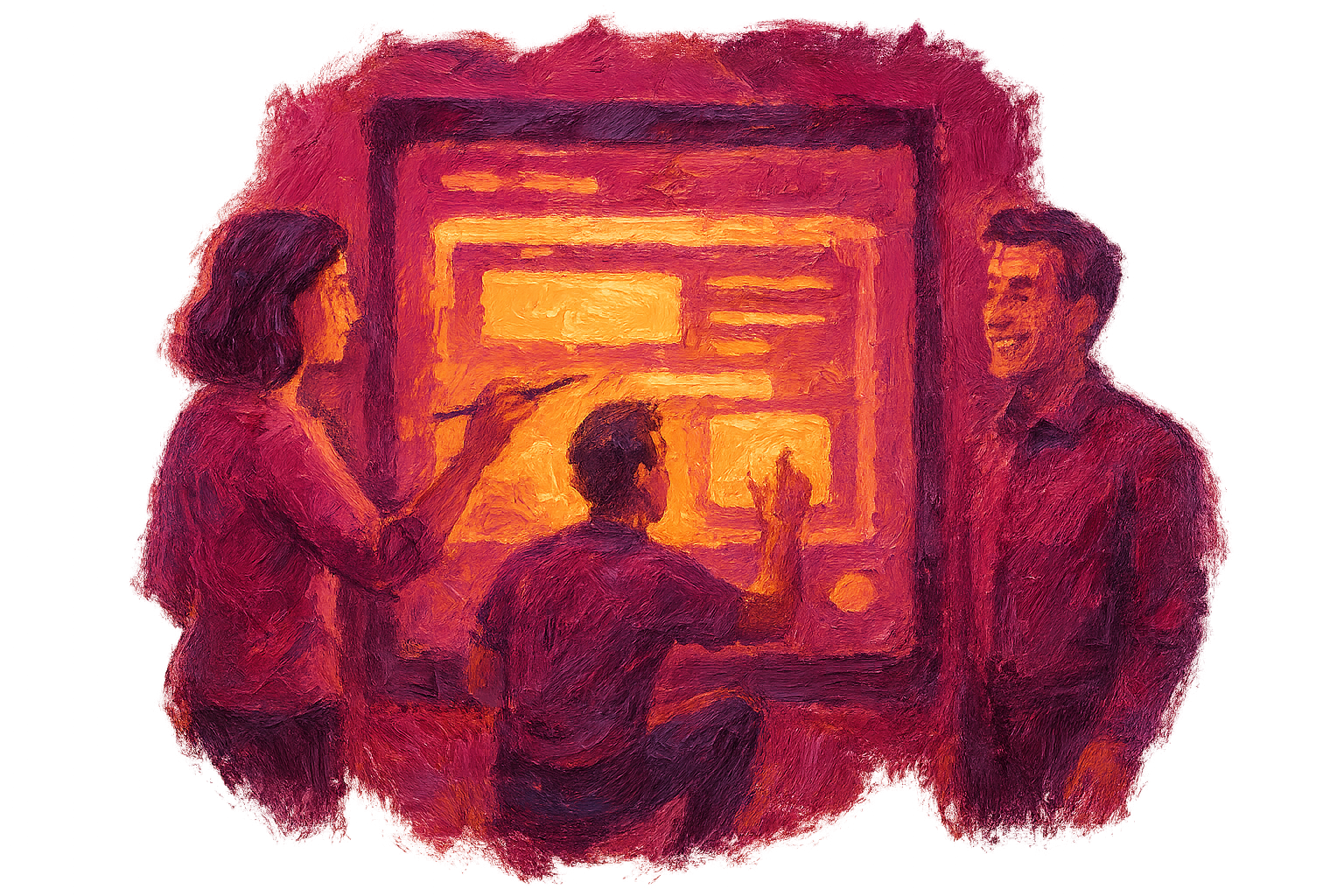
Web design is one of the most critical elements of a business's digital presence.
The Importance of Web Design for Businesses#
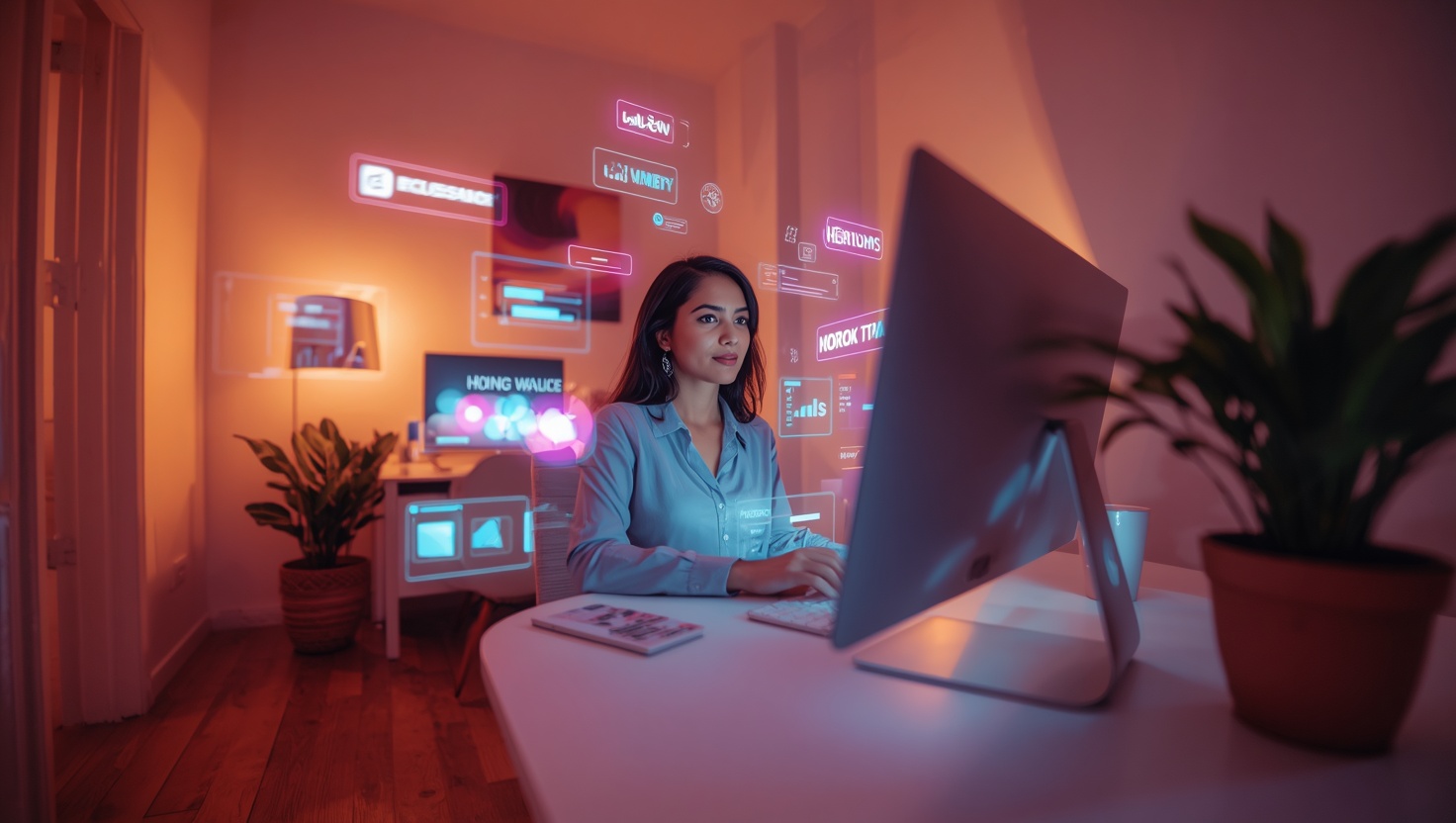
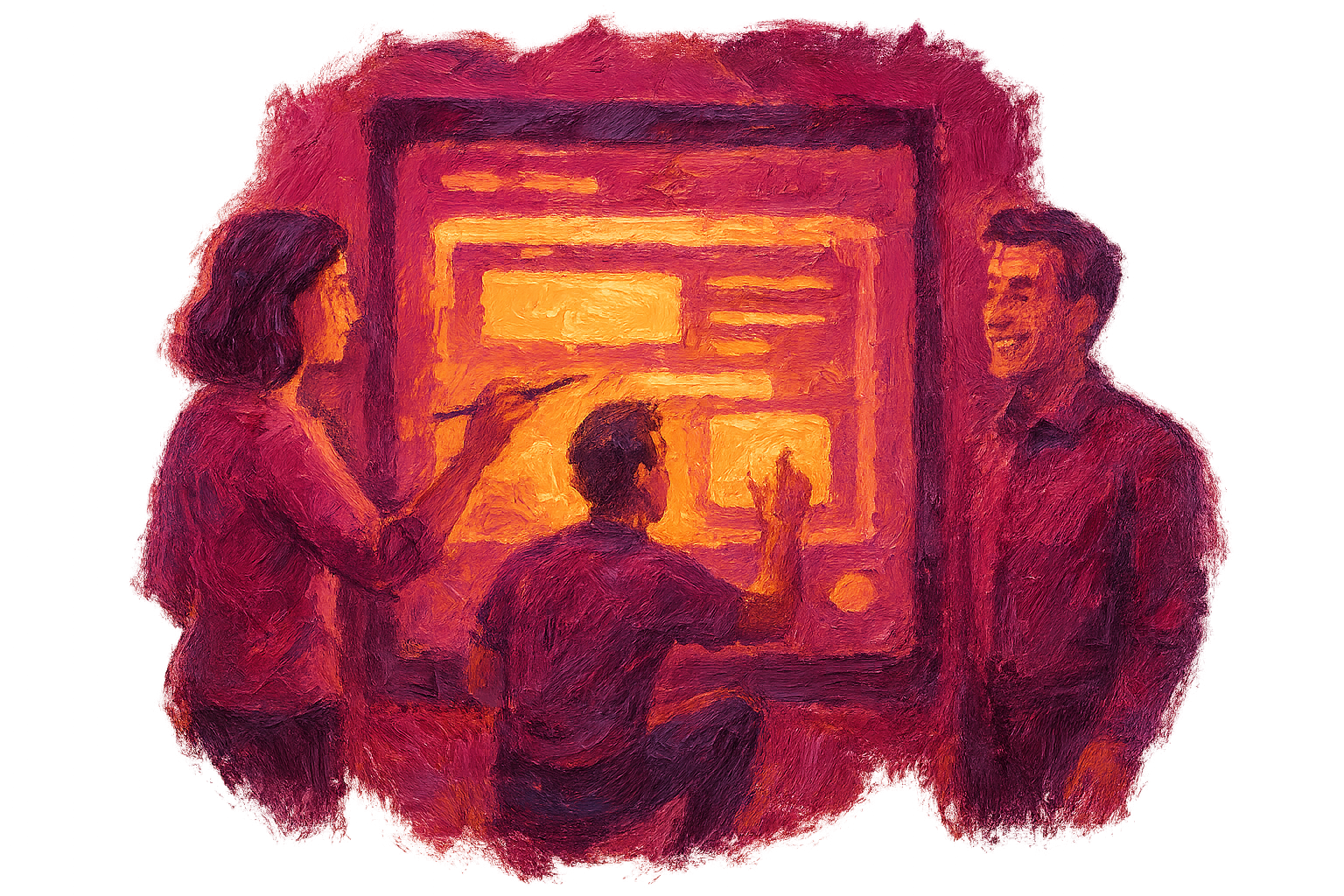
Web design is one of the most critical elements of a business's digital presence. As a platform where users form their first impressions, reflect the brand's identity, and interact with potential customers, websites offer a significant opportunity for businesses. A good web design enhances user experience while also helping the business achieve its goals. Forming a strong foundation for business growth strategies and digital marketing plans, web design combines aesthetics and functionality to serve as an effective communication tool. For example, a user-friendly design can increase the time visitors spend on the site and boost conversion rates. Türk Bilişim supports businesses in this process with its expert team and innovative solutions.
Quick Summary
- Web design forms the foundation of a business's digital presence.
- User experience is enhanced with good design.
- When aesthetics and functionality come together, conversion rates increase.
Reflecting Brand Identity#
One of the most important functions of web design is to establish a business's brand identity. Colors, fonts, visuals, and content play a major role in effectively conveying the brand's message. For instance, a fashion brand may prefer a sleek and modern design, while a financial institution might adopt a more corporate appearance. Consistency in design elements increases the brand's credibility and creates a lasting impression in users' minds. Users immediately gain an idea about the brand's values and the products it offers. Therefore, every element used in web design should be carefully chosen to reinforce the brand identity.
User Experience and Navigation#
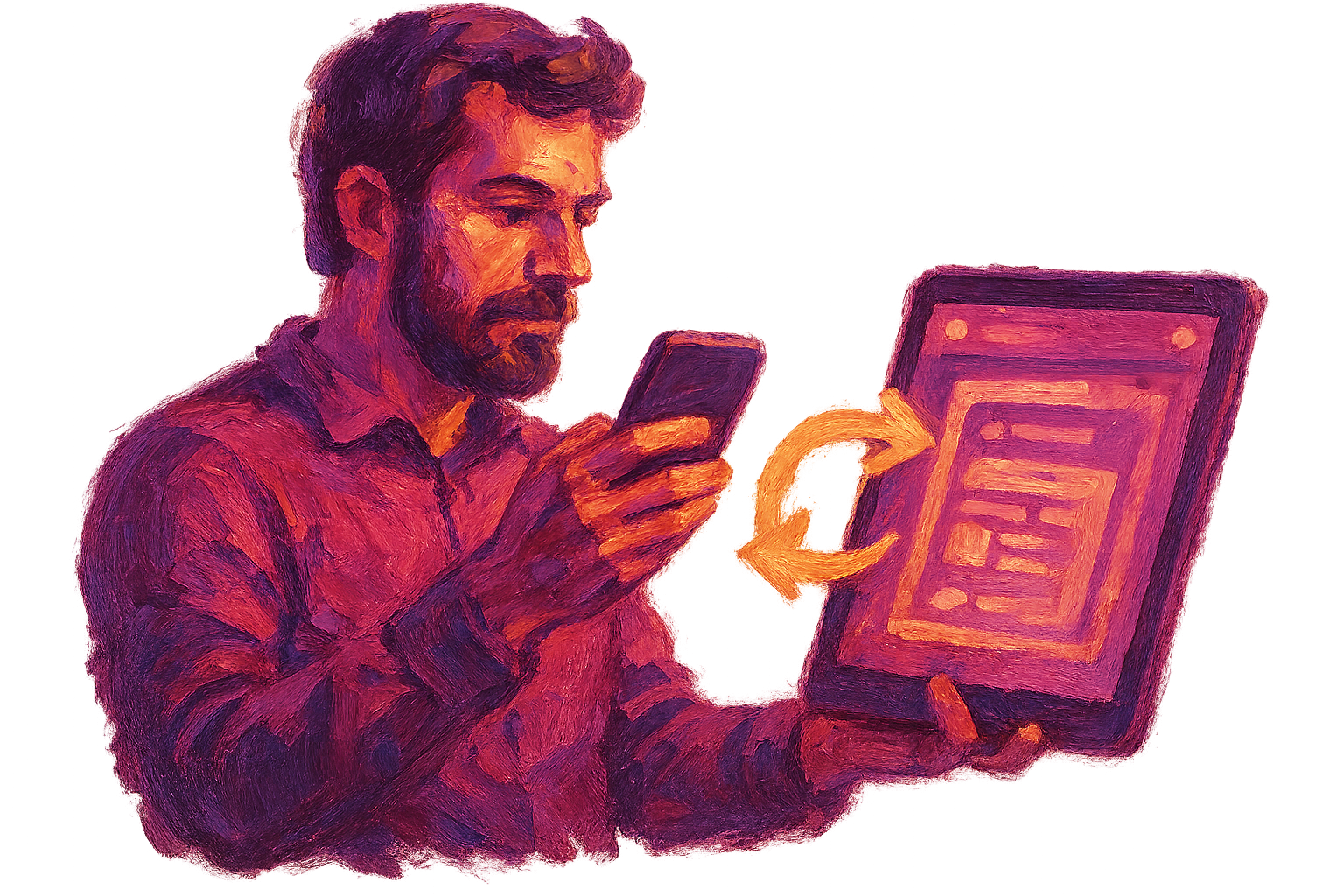
A good web design prioritizes user experience. The ability for users to quickly and easily find what they are looking for directly impacts the site's success. Creating a simple and understandable navigation system is essential to increase the time visitors spend on the site and encourage them to browse more pages. For example, having clear and accessible menus allows users to find the information they need faster. Additionally, mobile compatibility is of great importance today, as most users access websites via smartphones. Therefore, web design must be optimized for both desktop and mobile devices.
Increasing Conversion Rates#
Specific strategies can be implemented in web design to increase conversion rates. For example, call-to-action elements that prompt users to take action are a critical part of the design. Buttons like "Buy Now" or "Free Trial" can motivate users to perform a specific action. Furthermore, offering special deals and campaigns tailored to users' needs is an effective method to boost conversion rates. As Türk Bilişim, we help businesses increase their sales and customer satisfaction by integrating such strategies into web design.
In conclusion, web design is not just a digital storefront for businesses but also a strategic tool. An effective web design is necessary to reflect brand identity, enhance user experience, and strengthen conversion rates. Türk Bilişim contributes to brands standing out in the digital world by creating user-friendly and aesthetic web designs tailored to each business's needs.
Must-Haves#
Essentials that must be included in this work:
Added Value (Bonus)#
Not mandatory but differentiating and optional elements:
Türk Bilişim sets up all these elements end-to-end from a single source and activates them in a way suitable for your business.
Pros and Cons#
Advantages
- Increased Conversion Rate: A well-designed website increases the likelihood of visitors becoming customers.
- Competitive Advantage: A professional design helps you stand out from competitors.
- Customer Loyalty: A user-friendly experience encourages customers to return.
Points to Consider
- High Cost: A quality web design may require more investment initially.
- Time-Consuming: The design process can be time-consuming as it requires detailed work.
The Relationship Between User Experience and Web Design#
User experience (UX) encompasses all processes through which a website interacts with its users. This interaction determines how users relate to the site's design, content, and functions. A proper user experience should not only include an aesthetic design but also the functionality to meet users' needs. The primary goal of good web design is to ensure easy access to information, retain users on the website, and increase conversion rates. Therefore, there is a strong connection between web design and user experience; both elements complement each other to create an effective digital presence.
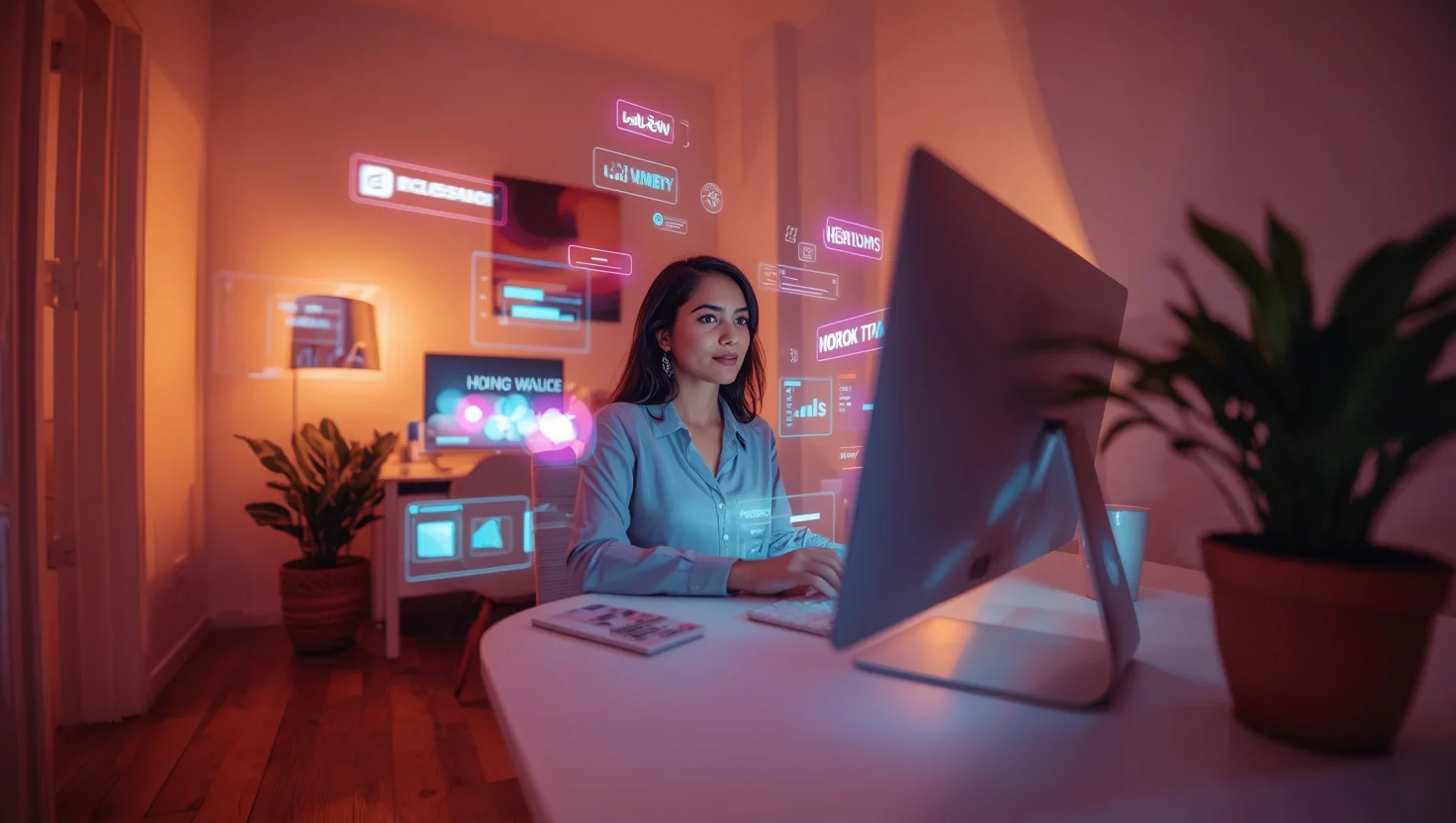
The Impact of Web Design on User Experience#
Web design has a significant impact on the first impression of a website. The emotions users feel instantly when visiting a site are directly related to the quality of the design. For example, when users encounter a cluttered and confusing layout, the likelihood of them leaving the site increases. Research shows that if a page's loading time exceeds 3 seconds, 40% of users abandon the site. Therefore, fast loading times and user-friendly designs positively affect user experience. Designs that are aesthetically pleasing but do not enhance functionality may fail to satisfy users.
Design Elements for a Good User Experience#
To deliver a successful user experience, several fundamental design elements should be considered. These include:
- Simplicity: The simplicity of the site design is important for users to easily access the information they need. Unnecessary details should be avoided, and the interface should be kept clean.
- Responsive Design: The design must be responsive to provide a compatible experience across different devices (mobile, tablet, desktop).
- User Feedback: Open communication channels should be established for users to share their experiences. This is critical for the continuous improvement of the design.
Common Mistakes in Web Design#
Some common mistakes in web design can negatively impact user experience. These mistakes include:
- Insufficient Navigation: Complex navigation systems that make it difficult for users to find the information they seek may lead them to leave the site.
- Readability Issues: Elements such as small font sizes, poor contrast, and complex fonts make text difficult to read. This negatively affects user experience.
- Incorrect Targeting: Failing to conduct target audience analysis results in unmet user needs. It is important for the design to be optimized for the target audience.
In conclusion, the relationship between web design and user experience depends on how both fields interact with each other. Developing a user-friendly design is important not only for aesthetics but also for functionality and accessibility. As Türk Bilişim, in our projects that prioritize user experience, we aim to offer more effective and user-focused solutions by taking these elements into account.
Common Mistakes#
Complex Navigation
Complex menus and navigation structures can cause users to leave the site. A simple and understandable structure allows users to find what they are looking for more quickly.
Low-Quality Images
Low-resolution or poor-quality images create an unprofessional impression. Using high-quality images strengthens the brand image.
Excessive Text Usage
Long and complex texts can distract users. Short, concise, and clear content helps users access information more quickly.
Advantages of SEO-Friendly Web Design#
SEO-friendly web design aims to improve a website's evaluation by search engines and enhance user experience. This type of design is important not only aesthetically but also in terms of functionality, speed, and accessibility. With SEO-friendly web design, businesses can reach their target audience more effectively and increase their digital visibility. Designs that take search engine algorithms into account help achieve better rankings, leading to an increase in organic traffic. As a result, an SEO-friendly site plays a critical role in reaching the target audience and boosting conversion rates.
1. Higher Rankings in Search Engines#
SEO-friendly web design allows your website to achieve higher rankings in search engines. Elements such as content structure, heading tags, and meta descriptions help search engines better understand your site. For example, with proper keyword usage and content optimization, search engines may find your site more valuable and display it in top positions. This makes it easier for users to reach your site and consequently increases your organic traffic.
- Optimization of heading tags
- Careful writing of meta descriptions
2. Improved User Experience#
SEO-friendly design significantly improves user experience. Factors such as fast loading times, mobile compatibility, and user-friendly navigation encourage users to spend more time on the site. For instance, if a website loads slowly, users are likely to leave. Therefore, a fast and effective design ensures users stay longer on your site and increases conversion rates. It should be noted that user experience is also evaluated by search engines; thus, a user-friendly site achieves high rankings.
3. Higher Conversion Rate#
SEO-friendly web design is a critical factor for increasing conversion rates. A site designed to meet user needs has a greater impact on potential customers. Clearly defined call-to-action (CTA) buttons, effective content, and user-friendly design increase the likelihood of converting visitors into customers. For example, for an e-commerce site, well-designed product pages can positively influence users' purchasing decisions. Thus, the value provided by your website will directly affect your conversion rates.
Tip: In an SEO-friendly design, visual and structural elements are as important as content quality. Optimizing images reduces loading times and enhances user experience.
In conclusion, SEO-friendly web design helps businesses gain visibility in search engines and improve user experience. This design approach boosts conversion rates, contributing to the overall success of the business. As Türk Bilişim, we prioritize SEO elements in our web design processes, helping our clients build a strong presence in the digital world. In this way, we aim to provide a valuable experience for both users and search engines.
The Importance of Web Design
Web design forms the foundation of a business's digital presence. A professional design is critically important not only for aesthetics but also for functionality.
User experience is a determining factor in the success of a website. Good design ensures that users visit the site longer and interact with it.
Web Design Elements That Strengthen Brand Image#
Brand image is a critical element that determines how a business is perceived in the market. Web design plays a significant role in shaping this perception. Users often encounter a brand for the first time through its website, and this first impression leads them to make decisions about the brand's reliability and professionalism. Therefore, creating an impressive and user-friendly web design is indispensable for strengthening brand image. In this article, we will examine the important elements of how web design can enhance brand image.
Visual Aesthetics and User Experience#
Visual aesthetics directly impact the first impression of a website. Elements such as color palette, typography, images, and overall layout create a specific brand image in the minds of users. For example, a website using pastel tones can evoke a warm and friendly feeling in the user, while dark color tones can create a more serious and professional perception. Additionally, user experience (UX) is just as important as visual aesthetics; because users spend more time on sites that offer a smooth navigation experience. A good user experience increases users' loyalty to the brand.
The Importance of Mobile-Responsive Design#
Mobile-responsive design has become an indispensable standard for websites today. It is projected that by 2026, more than 60% of global internet traffic will come from mobile devices. This demonstrates why it is so critical for brands to have a mobile-responsive web design. Mobile-responsive design ensures users have a seamless experience across different devices (phone, tablet, computer). Otherwise, users may leave the site, which can damage the brand image.
Content and SEO Strategy#
In web design, content is just as important as visual elements. High-quality and original content increases the time users spend on the site and helps you rank higher in search engines. Producing SEO-friendly content boosts brand awareness. For instance, the correct use of keywords allows you to be easily indexed by search engines. Furthermore, a regularly updated blog section both attracts users' interest and emphasizes the brand's sectoral expertise.
Trust Elements and Social Proof#
The reliability of a website is another important factor that increases users' trust in the brand. Elements such as customer reviews, references, and certifications provide confidence to potential customers. For example, a "Customer Reviews" section at the bottom of the page can increase conversion rates. Additionally, visibly displaying security certificates reinforces the feeling that users' personal information is safe. As Türk Bilişim, we prioritize trust elements in our web design processes.
In conclusion, an effective web design encompasses a series of critical elements to strengthen brand image. Visual aesthetics, mobile compatibility, quality content, and trust elements are the cornerstones of a successful web design. Combining these elements effectively will positively change the brand's perception in the market. Türk Bilişim manages this process end-to-end, offering solutions tailored to the needs of brands. Remember, a strong brand image starts with an effective web design!
Contact Turkish Informatics#
Get a free discovery and quote from Turkish Informatics' expert team for your project; let's achieve your digital goals together:
- Phone: 0216 755 3 555
- WhatsApp: 0532 216 07 54
- Email: [email protected]
- Web: turkbilisim.com.tr

Bu içeriği nasıl buldunuz?
Reaksiyon vermek için giriş yapmanız gerekiyor.
You Might Also Like
Gallery