



Web design is a critical process that determines how a website is structured in terms of aesthetics, functionality, and user experience.
Fundamental Elements of Web Design#
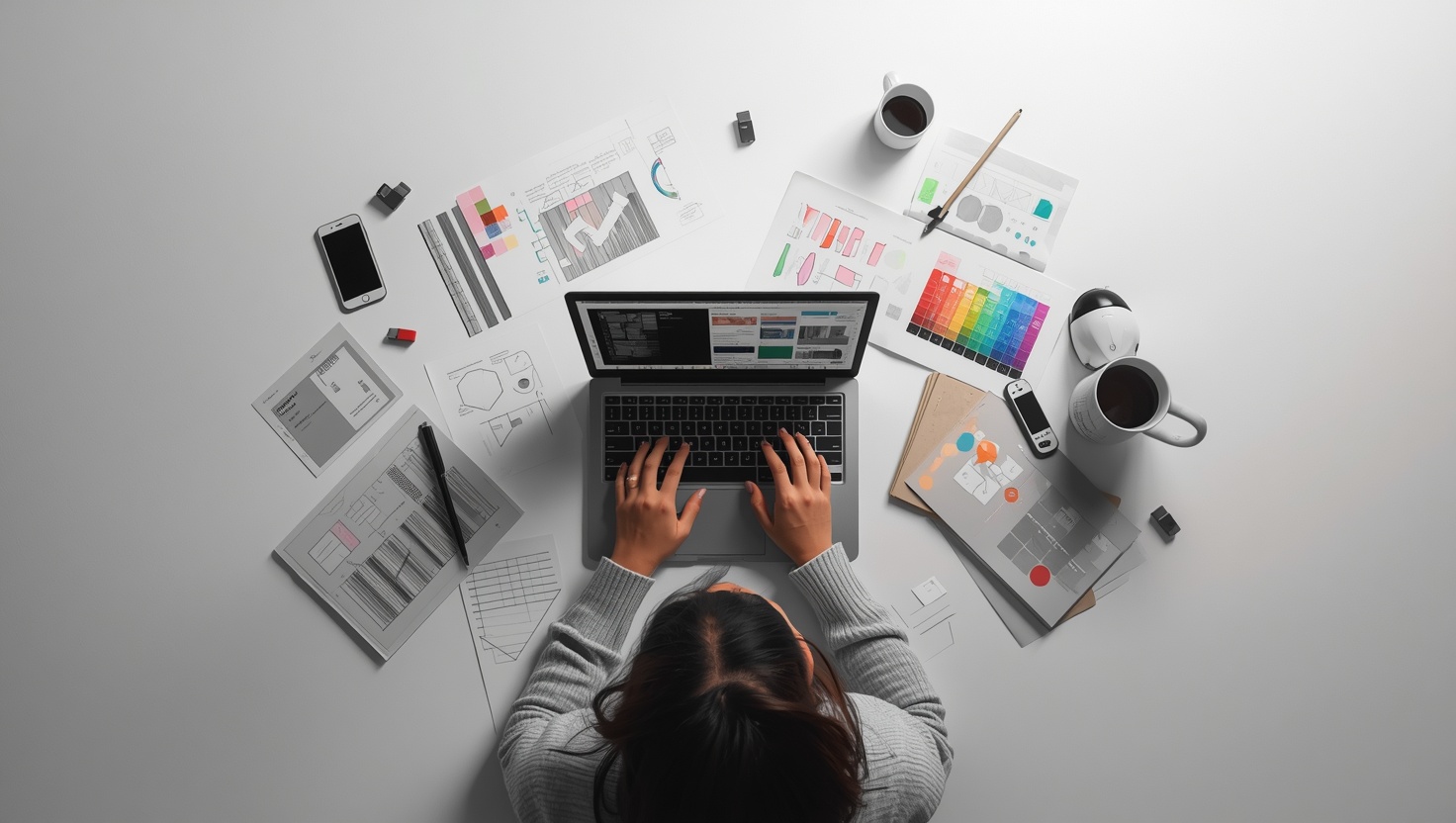
Web design is a critical process that determines how a website is structured in terms of aesthetics, functionality, and user experience. This process involves not only creating visually appealing pages but also encompasses all the elements necessary for users to navigate the site easily. A good web design should be strategically crafted to attract users' attention and keep them on the site for longer. Additionally, the latest technologies and best practices used in the web design process directly impact the online success of the business. In this article, we will delve into the fundamental elements of web design and provide concrete examples of how these elements can be effectively utilized.
Quick Summary
- Web design is built on user experience, aesthetics, and functionality.
- Color choice, typography, and layout are fundamental components of effective design.
- Mobile compatibility and accessibility are critically important in modern web design.
User Experience (UX)#
User experience is one of the most important components of web design. A good UX ensures that users can quickly access the information they are looking for on the website. For example, the design of an e-commerce site should have a logical hierarchy and navigation structure to allow products to be easily found. User feedback should be taken into account to create a visually appealing yet functional design. Methods such as user surveys or A/B testing are useful for understanding the impact of the design on users.
- Fast loading times: Remember that users are impatient, so it's important for your website to load quickly.
- Easy navigation: Menus and links should allow users to easily access the information they want.
Aesthetic Design#
Aesthetic design creates the visual appeal of a website, which can increase users' willingness to use the site. The harmony of the color palette, typography, and visual elements affects the overall appearance of the site. For example, choosing a color palette that reflects your brand's identity helps visitors recognize your brand. Color psychology also comes into play here; for instance, blue evokes a sense of trust, while green is associated with nature. Therefore, colors and fonts should be chosen carefully.
Functionality and Technical Infrastructure#
In web design, functionality is just as important as aesthetics. The actions users need to perform on your site (e.g., filling out a form or purchasing a product) should be carried out seamlessly. At this stage, you must ensure that the technical infrastructure is functioning properly. For example, mobile compatibility has become an indispensable element in today's web design. With the increasing usage of mobile devices, implementing responsive design ensures that your site looks good on every device. Additionally, building an SEO-friendly structure helps improve your indexing by search engines.
In conclusion, the fundamental elements of web design consist of components such as user experience, aesthetic design, and functionality. Each of these elements plays a critical role in the success of a website. These elements must be implemented effectively to ensure that users can use the site efficiently and access their needs quickly. Türk Bilişim aims to provide the best service to its clients with its experience and expertise in this process. By considering all the details that need attention during the web design process, it works to create effective and user-friendly websites.
Must-Haves#
Essentials that must be present in this business:
Added Value (Bonus)#
Not mandatory but impactful, these are optional:
All these elements are provided by Türk Bilişim comprehensively, from start to finish, and implemented in a way that suits your business.
Pros and Cons#
Advantages
- A good web design strengthens brand image.
- A user-friendly site increases conversion rates.
- Effective web design helps you stand out in competition.
Considerations
- Complex designs can lead users to leave the site.
- Incorrect color and font choices can distract users.
The Relationship Between User Experience and Web Design#
User experience (UX) and web design are crucially linked in determining the success of a website. A good user experience encourages visitors to spend more time browsing the site, increasing engagement and boosting conversion rates. Elements that should be considered in web design directly affect users' interactions with the site. For instance, factors such as page load times, ease of navigation, and aesthetic arrangements positively influence the time users spend on the site, enhancing their experience. This article will detail the fundamental elements that should be considered in web design to improve user experience.
Fundamental Elements of Web Design#
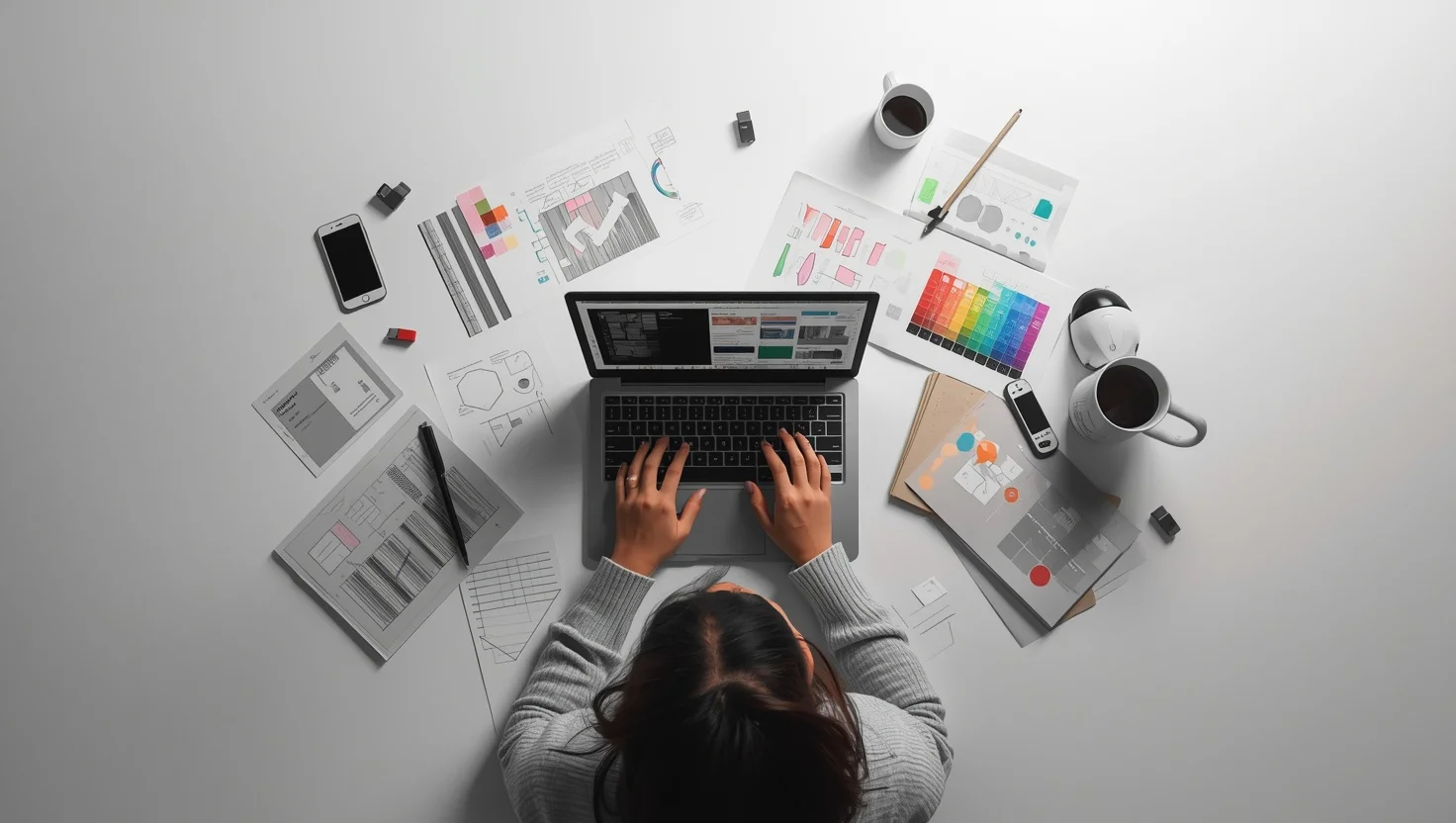
The fundamental elements of web design should be carefully defined to maximize user experience. These elements include visual hierarchy, color usage, typography, and spacing. For example, visual hierarchy helps emphasize important information and assists in the strategic placement of elements to capture users' attention. In a good design, main headings are written in a large and prominent font, while subheadings are supported with a smaller font. This facilitates users' navigation on the page and helps them access the information they are looking for more quickly.
- Visual Hierarchy: Organizing information according to its importance.
- Color Usage: Guiding user emotions by utilizing the psychological effects of colors.
- Typography: Selecting readable and visually appealing fonts to enhance user experience.
User Research and Testing Processes#
User research is a critical phase in the web design process. Understanding users' expectations and needs ensures that the design is shaped according to these requirements. Research methods include surveys, face-to-face interviews, and A/B testing. A/B testing is used to compare the effects of two different designs on users. For example, when the color or position of a button is changed, it can be measured which design elicits a greater response from users. This data helps make the design more effective and increases users' interactions with the site.
Good Design and Accessibility#
A good web design must also consider accessibility. Accessibility is the ability of users with different abilities and conditions to access the website. For instance, creating a design compatible with screen readers for visually impaired users allows these users to navigate the site comfortably. Additionally, adjusting contrast ratios while considering conditions like color blindness is essential for everyone to use the site easily. An accessible design not only improves user experience but also offers the opportunity to reach a broader audience.
The dynamic relationship between user experience and web design has become a critical element in the success of a website. Proper design practices and user-focused efforts increase users' willingness to visit the site while also strengthening the brand image. Ultimately, not overlooking user experience and prioritizing these elements in the design process is one of the fundamental cornerstones of creating a successful website.
Looking for Corporate Website?
Let's plan the solution that fits you best.
Learn more about Corporate WebsiteCommon Mistakes#
Overly Complex Design
Complex designs can lead users to feel lost on your site. Users struggle to find the information they are looking for, resulting in high bounce rates. Keeping the design simple and understandable allows users to easily access the information they need.
Ignoring SEO
Overlooking SEO elements in web design reduces your site's visibility in search engines. Proper placement of keywords and the use of meta tags enhance your site's discoverability. Therefore, integrating SEO strategies into the design process is critically important.
Neglecting Mobile Compatibility
Ignoring mobile-friendly design negatively impacts the experience of mobile users. Nowadays, many users access websites from their mobile devices. If your site is not mobile-friendly, you risk losing potential customers.
The Importance of Responsive Design#
In the world of web design, prioritizing user experience is critical for the success of businesses. In this context, the adoption of responsive design has become mandatory due to the increase in mobile device usage and the variety of screen sizes. Responsive design enhances user engagement by ensuring that a website is displayed compatibly across various devices (such as smartphones, tablets, and desktop computers). Considering that by 2026, more than 70% of internet traffic is expected to come from mobile devices, the necessity of responsive design is becoming clearer. Users are looking for easy access and a seamless experience on the devices they frequently use. At this point, the advantages provided by responsive design are crucial for businesses to remain competitive.

The Importance of Mobile Compatibility#
Mobile compatibility is one of the most important features of responsive design. Mobile users typically expect a fast and seamless experience when accessing web pages. If a website is not mobile-friendly, users will quickly turn to other alternatives instead of browsing the page. For example, consider an e-commerce site; thanks to responsive design, users can easily view products on their mobile devices, add them to their carts, and complete payment processes smoothly. However, a non-mobile-friendly design can lead to losing users. Research shows that brands with mobile-compatible sites have a 40% higher user conversion rate.
User Experience and SEO Relationship#
Responsive design positively affects user experience and plays an important role in search engine optimization (SEO). Google tends to display mobile-friendly websites higher in search results. This means that sites that do not implement responsive design may miss out on potential customer audiences. For instance, if a business website enhances user experience with responsive design, this can lead to improved SEO rankings and thus more organic traffic. Therefore, businesses need to adopt responsive design to enhance both user experience and SEO performance.
The Future of Design and Innovations#
Responsive design is not only a current solution but also an approach that will shape future web design trends. With the increasing number of different devices and screen sizes today, having a flexible and compatible design is becoming more important. For example, a company should adopt a dynamic and fluid structure instead of a fixed-size design to provide the best experience for its users. This change facilitates users' access to websites, increases their loyalty to the brand, and enhances competitive advantage in the industry.
In conclusion, responsive design benefits many areas such as mobile compatibility, SEO, and the future of design by enhancing user experience. For businesses, adopting this design is a critical step in ensuring the satisfaction of existing users and expanding the potential customer base. Therefore, the importance of responsive design should not be overlooked and should be integrated into web design processes.
The Importance of Web Design
Web design is the face of a brand in the digital world, and therefore it is critical to be done correctly.
The combination of user experience and aesthetic elements is one of the most important factors determining the success of a website. Turkish Informatics custom software offers user-focused solutions by considering these elements.
Color and Typography Selection in Web Design#
Web design is an important area that directly affects user experience. Colors and typography are the fundamental cornerstones of this experience. Choosing the right color palette shapes the spirit of a website, while appropriate typography significantly increases users' engagement with the content. The psychological effects of colors and the readability of fonts determine users' behaviors on the site. For example, warm color tones create a sense of energy and movement, while cool colors evoke feelings of calmness and trust. Similarly, an easily readable typeface encourages users to spend more time on the content. In this article, we will explore the best practices for color and typography selection in web design.
The Psychological Effects of Color Selection#
Colors are powerful tools that influence users' emotional responses. For instance, blue is often associated with trust and professionalism, while red can convey a sense of urgency and attention. Considering how colors will be used in web design is critical for reaching your brand's target audience. While blue tones may be preferred for a financial services website, a clothing brand might choose more vibrant colors. To enhance the impact of colors, you can pay attention to the following points:
- Target Audience: Colors can be perceived differently based on age, gender, and cultural background. Get to know your target audience.
- Brand Image: Your color selection should align with your brand's values. For example, it would be appropriate for an eco-friendly brand to use green tones.
Steps to Create a Color Palette#
Creating an effective color palette is one of the most important tasks for a web designer. According to research conducted by 2026, 60% of users prefer to spend more time on sites with a pleasant design. When creating your color palette, you can follow these steps:
- Color Theory: Understand primary colors, secondary colors, and complementary colors.
- Color Combinations: Experiment with analog, complementary, or triadic combinations.
- Test: Observe which color combinations lead to more engagement by testing them on users.
The Importance of Typography Selection#
Typography directly affects the readability of a website. A poor font choice can make it difficult for users to understand the content. According to a study conducted by 2026, 75% of users prefer to read more content on sites with readable text. To make the right font choice, you can pay attention to the following elements:
- Font Families: Understand the differences between serif and sans-serif fonts. Serif fonts add a traditional touch, while sans-serif fonts offer a modern look.
- Size and Hierarchy: Create hierarchy in the content by using different sizes for headings, subheadings, and paragraphs.
Typography and Color Harmony#
Color and typography should be considered together in web design. Achieving harmony between suitable typefaces and colors creates an aesthetically pleasing appearance. For example, using light-colored typefaces on a dark background increases readability. Research conducted by 2026 shows that using harmonious colors and typographies keeps 70% of users on the website for a longer duration. You can ensure color and typography harmony by paying attention to the following points:
- Contrast Selection: Ensure there is sufficient contrast between the text color and the background color.
- Pantone Color Guide: Use the Pantone guide for color harmony to achieve a professional appearance.
In conclusion, color and typography selection in web design are critical elements that directly affect user experience. The psychological effects of colors and the readability of typography determine users' behaviors on the site. As Turkish Informatics, by considering these elements in your web design, we can develop projects that best meet your users' needs. By choosing the right colors and typography, you can enhance the impact of your website and establish more effective communication with your target audience.
Bu içeriği nasıl buldunuz?
Reaksiyon vermek için giriş yapmanız gerekiyor.
You Might Also Like




Gallery