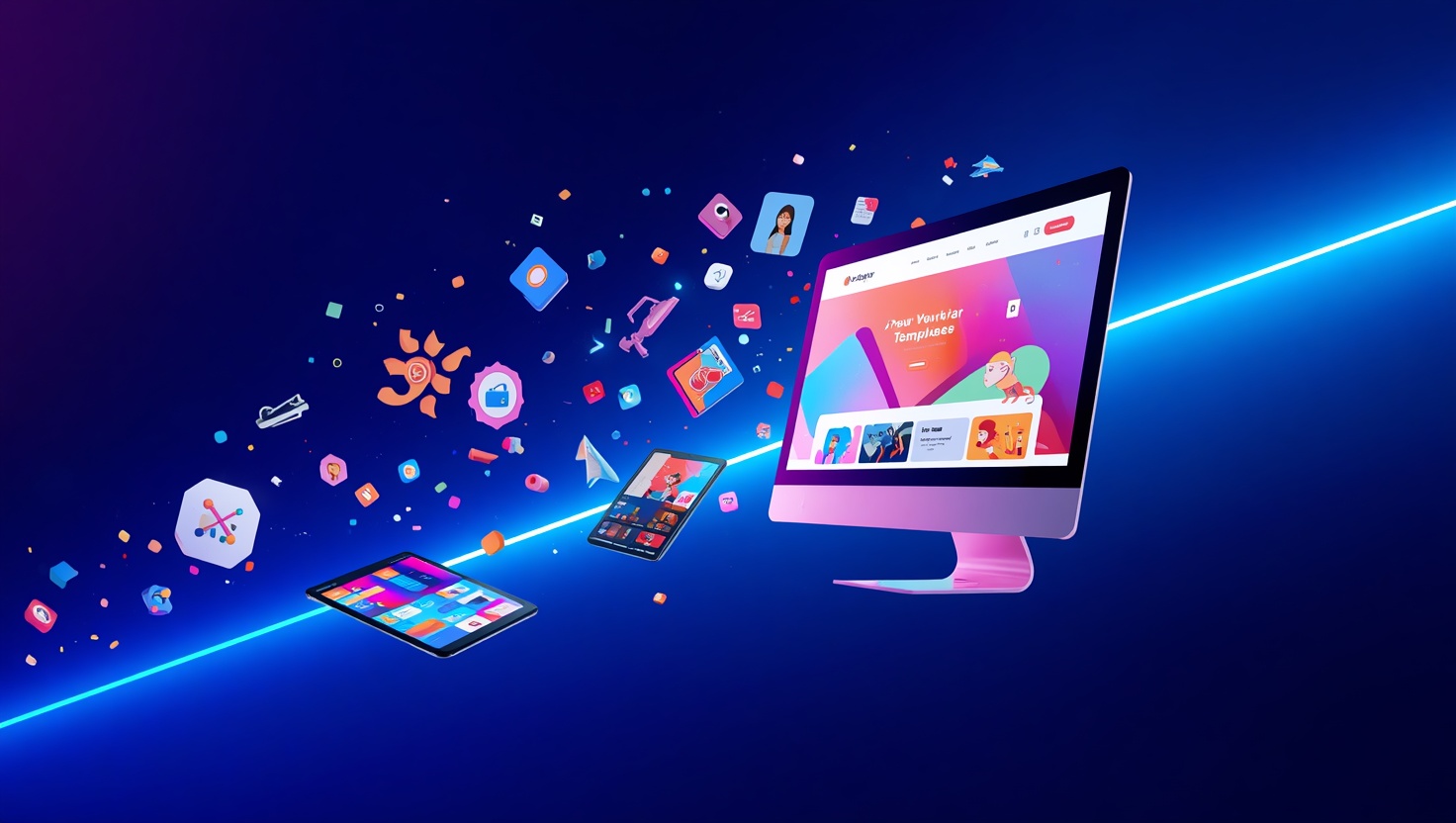







Educational web design must include specific elements to provide a valuable experience for both students and instructors.

Key Elements of Educational Web Design#
Educational web design must include specific elements to provide a valuable experience for both students and instructors. An effective educational website should have a user-friendly interface, proper content structuring, interactive components, and modern design standards. To meet the needs of students and teachers, these elements must be correctly combined. Especially in today's environment where digital learning materials are increasing, the functionality and design of educational websites play a significant role. As Türk Bilişim, we will share details on how each of these elements should be considered.
Quick Summary
- User-friendly interface design is a critical element for educational websites.
- Content management and ease of updating enhance the user experience.
- Interactive components make the learning process more enjoyable.
User-Friendly Interface Design#
A user-friendly interface is one of the most important foundations of educational web design. An intuitive navigation structure should be created so that students and instructors can easily use the site. For example, including headings such as course content, resources, contact, and frequently asked questions in the main menu allows users to quickly find what they are looking for. While creating this structure, it is also important to make continuous improvements to the design based on user feedback. Thanks to a user-friendly interface, visitors spend more time on your site and can access your content more easily.
Content Management and Ease of Updating#
Content management in educational web design is a critical element for effectively operating the site. Updating content is very important to ensure students have access to the latest data and resources. Content must be continuously renewed and enriched according to user needs. For example, teachers can track student progress by updating course content and activities. Using content management systems (CMS), these updates can be made easily. Additionally, indicating the currency of content with date information at the beginning creates a sense of trust for users.
Interactive Components and Learning Experience#
Interactive components in educational web design enrich the learning experience of users. Elements such as quizzes, forums, video content, and interactive maps ensure active student participation in the lesson. Furthermore, such components make learning fun and increase student motivation. For example, with an online exam application, students have the chance to instantly test the information they have learned. As Türk Bilişim, we recommend the use of interactive components on your educational website; this will make both teaching and learning processes more efficient.
Considering all these elements is of great importance for creating an effective educational web design. A user-friendly interface, effective content management, and interactive components play a critical role in meeting the needs of students and instructors. By carefully combining these elements, you can increase the success of your educational website and reach a wider audience. As Türk Bilişim, we are with you at every stage of this process; you can contact us for professional support.
Must-Haves#
Essentials that must be included in this work:
Added Value (Bonus)#
Not mandatory but differentiating, optional items:
Türk Bilişim installs all these elements from a single source, end-to-end, and activates them in a way suitable for your business.
Pros and Cons#
Advantages
- Enhances the learning experience for students
- Facilitates content management for instructors
- Offers the opportunity to reach wide audiences
Points to Consider
- High initial development costs
- Need for continuous updates and maintenance
Best Practices for Educational Web Design#
Educational web design is critically important for facilitating users' access to information and enriching the learning experience. Educational institutions are moving their processes to the digital realm by offering an effective online platform for students, teachers, and parents. Therefore, several important practices must be considered when designing educational websites. A good design should be user-friendly and optimize accessibility and information flow. It is necessary to use the right tools and methods to encourage user interaction and enable them to access information quickly.

User-Friendly Design#
It is extremely important for educational websites to be user-friendly so that visitors can easily access the site's content. This is possible with a simple and understandable interface design. For example, main categories such as courses, teachers, student services, and contact should be clearly placed in the main menu. Users should be able to quickly find the information they are looking for. Additionally, by creating a visual hierarchy, important information should be made more prominent. Such a design ensures that users stay on the page longer and interact more with the content.
- A simple and understandable menu structure should be created.
- Highlighting visuals should be used for important information.
Mobile-Responsive Design#
Given the widespread use of mobile devices, it is an inevitable requirement for educational websites to be mobile-responsive. It is a great advantage for users to access sites from devices such as smartphones or tablets. Mobile-responsive design ensures that the page automatically adjusts to different screen sizes. This improves the user experience while also enhancing search engine optimization. For example, by using responsive design, you can ensure that your website is displayed effectively on mobile devices.
Using Interactive Content#
Using interactive content on educational websites can enrich users' learning experiences. Interactive tools such as surveys, quizzes, video lessons, and forums enable students to actively participate in the learning process. For example, by adding a quiz section, you can allow students to test how well they understand the topics. Such content makes learning fun while also helping students reinforce their knowledge.
In conclusion, educational web design should be built on a structure that is user-friendly, mobile-responsive, and contains interactive content. With the right practices, educational institutions can offer students a more effective learning experience and gain a competitive advantage in the digital environment. Considering these elements when creating your educational website will increase the success of your project.
Common Mistakes#
Lack of target audience analysis
Proceeding without identifying the target audience in educational web design reduces the impact of the content and design. When proper target audience analysis is not conducted, a platform emerges that cannot respond to users' needs. Therefore, the target audience should be determined first, and the design process should be shaped according to their needs.
Insufficient content

A lack of sufficient and effective content on educational websites causes users to lose interest. Content is one of the fundamental pillars of the learning process; therefore, the richness of educational materials and resources must be ensured. Comprehensive and interactive content should be provided so that users can achieve their learning goals.
Lack of interaction
The insufficient inclusion of interactive elements in educational web design can decrease user motivation. Interactive elements increase student participation and make the learning process more enjoyable. Therefore, it is important to include interactive elements such as forums, quizzes, and surveys in the design.
User Experience and Its Importance in Educational Web Design#
The education sector is one of the most active areas undergoing digital transformation. User experience (UX) stands out as a fundamental element determining success in educational web design. A good user experience increases the time students and teachers spend on the platform, making the learning process more efficient. Especially in online education platforms, meeting user needs, user-friendly interface and content design are critically important for achieving learning goals. The design of educational websites must go beyond merely having aesthetic value and facilitate the realization of the educational purpose. In this article, we will discuss the role of user experience in educational web design, the elements to consider for providing a good experience, and common mistakes.
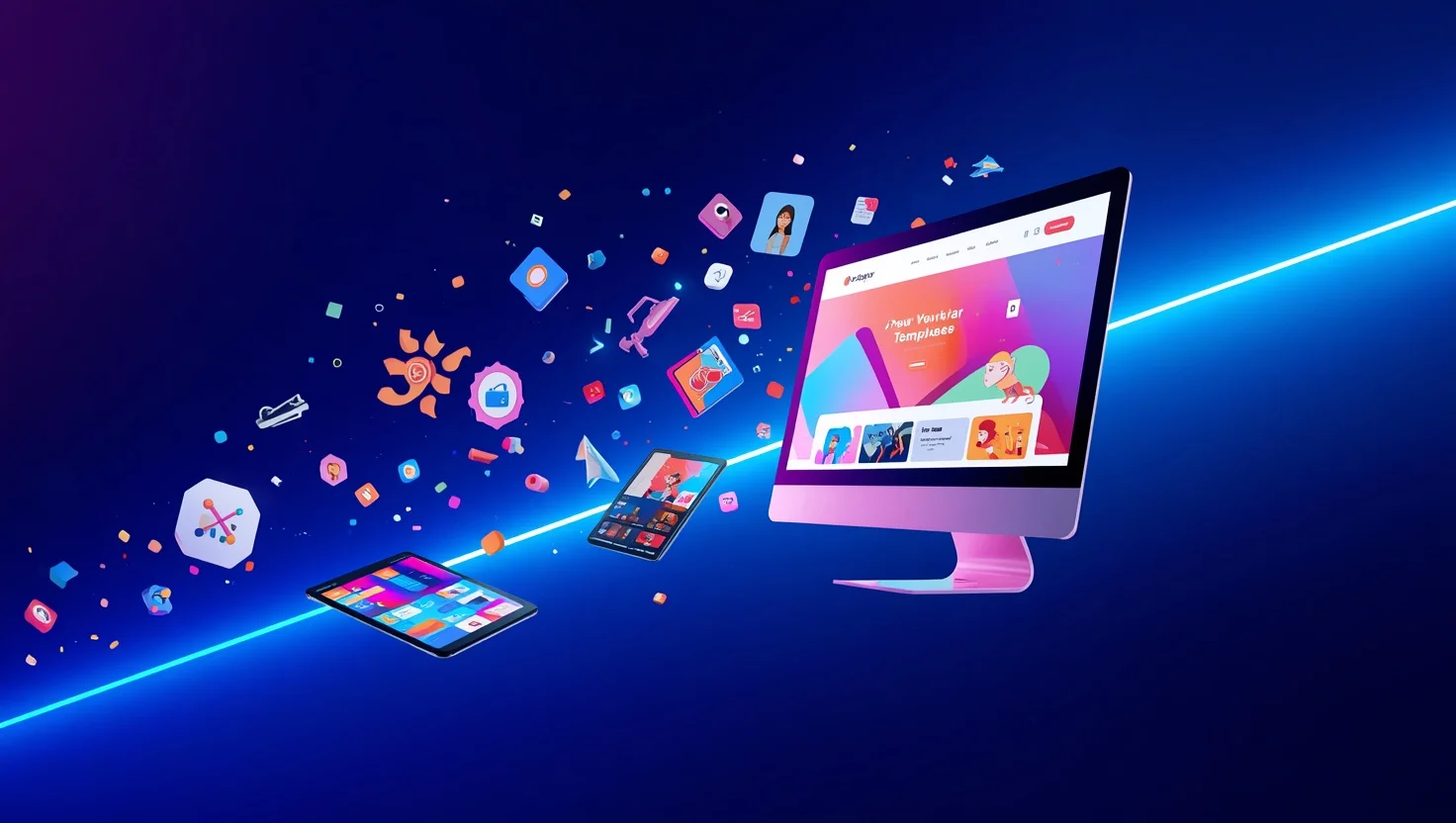
Fundamental Elements of User Experience#
The fundamental elements affecting user experience in educational websites include content layout, navigation, accessibility, and aesthetics. Presenting educational materials in an organized and understandable manner allows students to access the information they seek more quickly. Clear and simple navigation menus prevent users from getting lost within the site. Additionally, accessibility is a critical point for all users (including individuals with disabilities) to easily access the site. Some recommended elements from a user experience perspective are:
- Using clear and concise headings.
- Presenting information with high-quality images and videos.
- Creating forms and surveys where students can provide feedback.
The Impact of Educational Content on User Experience#
The quality of educational content directly affects user experience. Since users want to access meaningful and engaging content, the content on educational sites must meet this expectation. Effectively presenting content captures users' attention and increases learning motivation. For example, interactive course materials and videos can be more effective than traditional text-based content. Furthermore, regularly updating content ensures users have access to fresh and interesting information. In this context, to improve content quality:
- Balance visuals and text well.
- Offer materials that cater to various learning styles.
- Develop systems that allow users to track their progress.
Common Mistakes and Solution Suggestions#
Mistakes frequently encountered during the educational web design process can negatively impact user experience. Some of these mistakes include overly complex design, slow-loading pages, and disregarding user feedback. Complex designs may cause users to abandon the site, while slow loading times can test patience. At this point, it is important to adopt a simple and understandable design that suits user needs. Taking user feedback into account is the best way to continuously improve and optimize the site. The following steps can be taken to prevent these common mistakes:
- Conduct user tests to obtain real feedback.
- Make technical improvements to optimize the website's loading speed.
- Adopt a simple and minimalist design approach.
In conclusion, user experience in educational web design is a factor that directly affects the quality of the learning process. Websites designed according to user needs enrich the learning experience by facilitating access to educational materials. For educational websites to be successful, it is necessary to prioritize user experience, develop appropriate content strategies, and avoid common mistakes in the design process. Thus, it will be possible to create an effective learning environment by increasing the satisfaction of both students and instructors.
Educational Web Design: The Importance of User Experience
Educational web design should aim to create an effective learning environment by prioritizing user experience.
User-friendly interfaces and mobile-compatible designs facilitate students' learning processes while also making content management more efficient for educators.
The Role of Mobile Compatibility in Educational Web Designs#
Today, educational web designs are undergoing a major transformation in terms of the necessity of mobile compatibility. As the devices students and teachers use to access information diversify, educational platforms must keep up with this change. Mobile-compatible designs have become essential for making academic content and resources accessible from anywhere. As of 2026, the share of mobile devices in internet usage is projected to reach 70%. This underscores the need for educational websites to prioritize the mobile user experience. As Türk Bilişim, we make educational processes more accessible by offering mobile-compatible and user-friendly web design solutions for the education sector.
Key Elements of Mobile Compatibility#
There are certain fundamental elements to consider for an effective mobile-compatible educational website. Firstly, the design must be responsive. This ensures the website automatically adjusts according to the screen size. For example, configurations should be made so that content is displayed properly on the screen of a tablet or smartphone user. Additionally, creating a touchscreen-friendly interface ensures users have a comfortable experience. Another element is page loading speed; fast loading of pages on an educational website is a critical factor, especially for mobile users.
- Adapting to different screen sizes using responsive design.
- Creating touchscreen-friendly buttons and menus.
- Improving user experience by optimizing page loading times.
User Experience and Accessibility#
Another important dimension of mobile compatibility is user experience. Educational platforms should adopt accessibility principles in their design to provide a seamless experience for users. For instance, having sufficient contrast in texts facilitates access to content for visually impaired individuals. Furthermore, a simple and understandable navigation system allows users to easily find the information they need. When displaying educational content on mobile devices, unnecessary visuals should be avoided to prevent user distraction. In this context, as Türk Bilişim, we optimize educational platforms with a user-centered design approach.
Effective Content Management and Mobile Applications#
Another point to consider when creating mobile-compatible designs is content management. Educational websites should have the potential to offer dynamic and up-to-date content. Making content easily readable on mobile platforms is a way to engage users more effectively. For example, organizing content with short paragraphs and bullet points improves the reading experience. Additionally, mobile application integration allows users to access educational materials anytime, anywhere. Türk Bilişim makes educational processes more efficient by facilitating such integrations for the education sector.
In conclusion, mobile compatibility in educational web designs is not just a design preference but a necessity. Facilitating access to information for students and teachers is one of the most critical factors for improving the quality of education. As Türk Bilişim, we continue to shape the future by offering mobile-compatible solutions with our experience in the education field. Educational institutions can benefit from Türk Bilişim's expertise to create user-friendly and accessible websites.
Contact Turkish Informatics#
Get a free discovery and quote from Turkish Informatics' expert team for your project; let's achieve your digital goals together:
- Phone: 0216 755 3 555
- WhatsApp: 0532 216 07 54
- Email: [email protected]
- Web: turkbilisim.com.tr
Bu içeriği nasıl buldunuz?
Reaksiyon vermek için giriş yapmanız gerekiyor.
You Might Also Like





Gallery