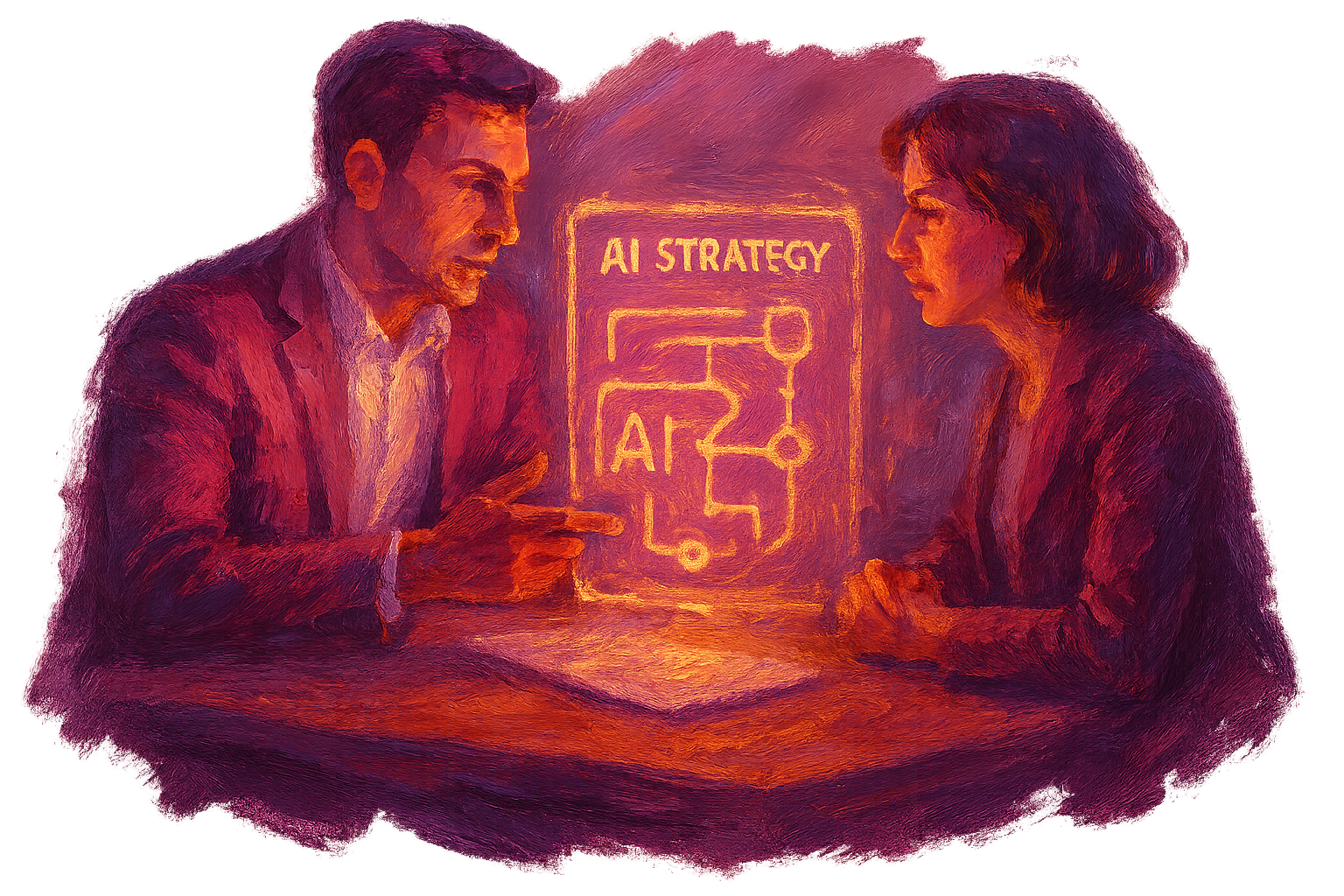






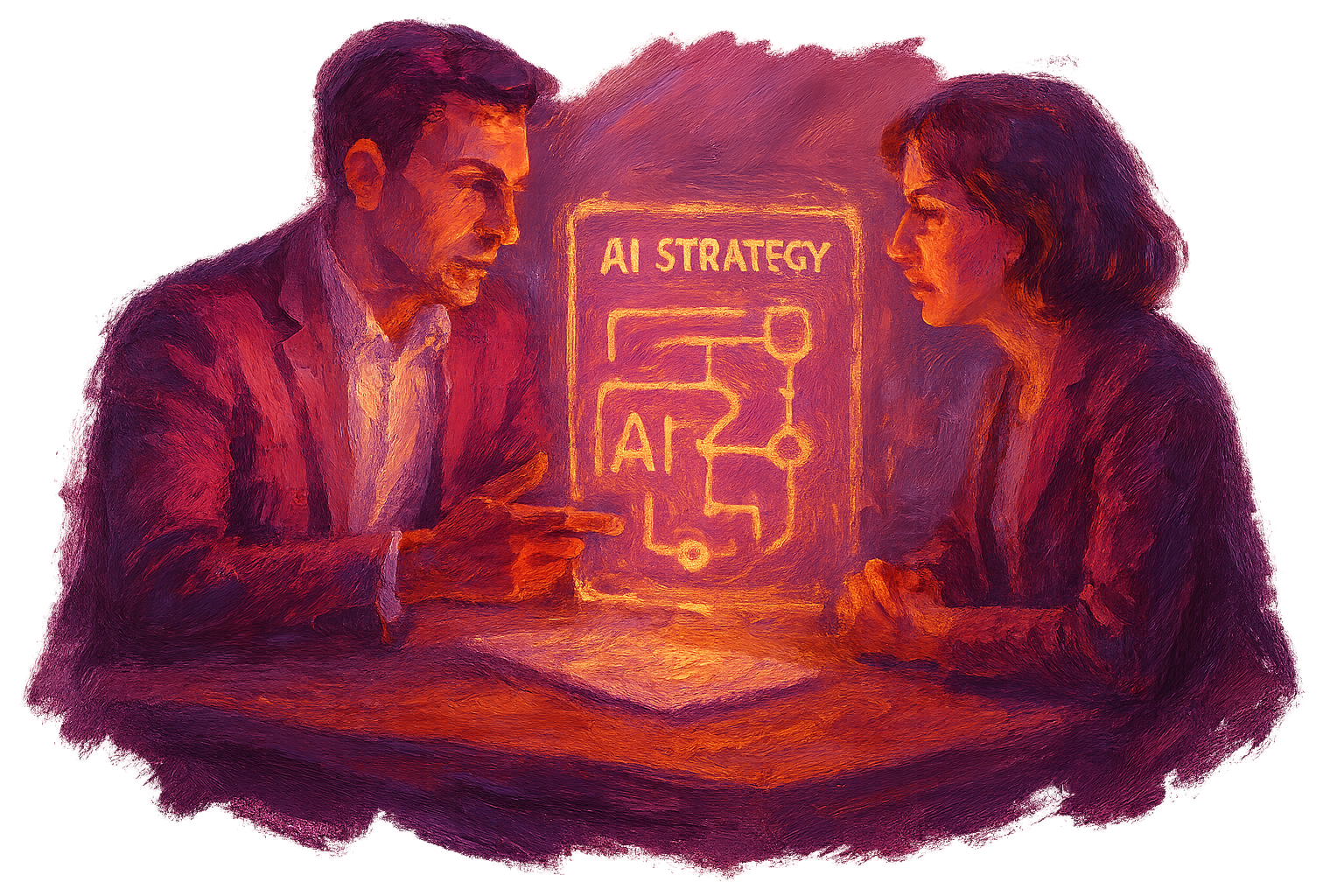
Artificial intelligence systems are important technologies that simplify our lives and optimize business processes in many areas today.

Common Errors in Artificial Intelligence Systems#
Artificial intelligence systems are important technologies that make our lives easier and optimize business processes in many areas today. However, various errors can occur during the development and implementation of these systems. While a properly designed AI provides great benefits in areas such as data analysis, prediction, and decision-making, a misdirected or faulty system can lead to undesirable outcomes. In this article, we will examine common errors encountered in AI systems, discuss their possible consequences, and situations to avoid. As Türk Bilişim, we aim to provide you with the necessary information to overcome the challenges faced in these processes and produce more effective solutions.
Quick Summary
- The most common errors in AI systems include data quality issues, model overfitting, and algorithmic biases.
- Addressing these errors can significantly improve system performance.
- Türk Bilişim helps you solve challenges you may encounter in AI projects.
Data Quality Issues#
The success of an AI system largely depends on the quality of the data used. Incomplete, erroneous, or outdated data can negatively impact the model's performance. For example, a machine learning model needs sufficient and accurate data to analyze user behavior. If this data is incomplete or incorrect, the model may make inaccurate predictions. This can negatively affect not only the user experience but also business decisions. Therefore, data collection processes and ensuring data quality are critically important. The following steps can be implemented to improve data accuracy:
- Check the reliability of sources used in the data collection process.
- Regularly perform data validation and cleaning processes to take precautions against erroneous data.
- Prevent systems from working with outdated information by updating data in a timely manner.
Model Overfitting#
Model overfitting is a common problem in machine learning processes. This situation is characterized by the model adapting too closely to the training data and consequently performing poorly on real-world data. For instance, if an image recognition model focuses only on specific features in the training data, it may not make accurate predictions when encountering new and different data. Some methods used to prevent overfitting include:
- Reduce model complexity by opting for simpler models.
- Evaluate the model's overall performance using regularization and cross-validation methods.
- Increase the model's learning ability and reduce the risk of overfitting by using more data.
Algorithmic Biases#
Another common issue in AI systems is algorithmic biases. This means the algorithm approaches a specific group or dataset in a prejudiced manner. For example, an AI system used in a hiring process might reduce the selection chances of a particular gender or ethnic group by considering biases in historical data. This leads to both ethical problems and reduces diversity in the workforce. Recommended strategies to reduce biases include:
- Increase the diversity of datasets to ensure all groups are equally represented.
- Establish oversight mechanisms to comply with ethical standards in algorithm design.
- Regularly evaluate model results to detect and eliminate biases.
In conclusion, common errors in AI systems can seriously impact project success. Taking necessary precautions to prevent issues such as data quality, model overfitting, and algorithmic biases can increase system efficiency. As Türk Bilişim, we are by your side with our expert team to help you avoid these problems. Having the necessary knowledge to avoid these errors while developing your AI projects is critically important.
Essentials#
Must-haves for this task:
Added Value (Bonus)#
Not mandatory but makes a difference, optional items:
Türk Bilişim installs all these elements from a single source, end-to-end, and deploys them in a way suitable for your business.
Pros and Cons#
Advantages
- Fast data analysis: AI can quickly analyze large datasets to extract valuable insights.
- Automation: Automating repetitive tasks saves time and costs.
- Learning ability: AI systems can improve themselves by learning from experiences.
Points to Consider
- High initial cost: Setting up AI systems can often be expensive.
- Data privacy concerns: Protecting user data is a critical issue in AI applications.
Social Impacts of Artificial Intelligence Errors#
Artificial intelligence (AI) technologies continue to revolutionize many fields today. However, the social impacts of errors that arise during the development and implementation of these technologies are too significant to be ignored. These errors can produce lasting consequences not only for individuals but also for social structures and systems. Mistakes in the decision-making processes of AI systems can lead to discrimination, loss of trust, and even social unrest. For example, if an AI algorithm makes biased decisions based on gender or ethnicity, it can reinforce social inequalities in the long term. In this article, we will examine the social impacts of artificial intelligence errors in greater depth.

Algorithmic Biases#
Since artificial intelligence systems are trained on data, if that data is biased, the results will also be biased. For instance, an AI system used in a hiring process may learn biases related to gender or ethnicity present in historical data. Consequently, situations may arise where applications from women or certain ethnic groups are overlooked. Such algorithmic biases can negatively impact critical issues like gender equality.
- Case study: A technology company began making hiring decisions using AI. The system evaluated new candidates using data from past successful employees. However, this data had a history where male employees were more heavily represented. As a result, female candidates received lower scores from the system.
- Outcome: This situation negatively affected the company's gender balance and complicated its gender equality goals.
Loss of Trust and Public Perception#
Erroneous decisions by artificial intelligence systems can erode users' trust in AI. For example, when an AI-powered facial recognition system incorrectly identifies an individual as a criminal, it can damage not only that person's life but also public trust in AI technology. Research shows that people's trust in AI systems depends on their accuracy and transparency. If an AI application produces unreliable results, trust in such systems diminishes across society.
Legal and Ethical Issues#
Another important dimension of the social impacts of AI errors involves legal and ethical issues. Mistakes in the decision-making processes of AI systems can lead to violations of individuals' rights. For example, if an AI analysis used in a court proceeding yields incorrect results, it can harm the fundamental pillars of the legal system. When society perceives that justice is not being served, this can lead to social unrest. To prevent such situations, ethical principles must be considered during the development of AI systems.
In conclusion, while artificial intelligence technologies make significant contributions to social life, the social impacts of the errors they bring are evaluated across a very broad spectrum. To understand these impacts and cope with them, it is critical for developers to fulfill their responsibilities towards users and society. To reduce the social impacts of AI system errors, actions must be taken within a framework of more transparent, fair, and ethical rules.
Common Mistakes#
Data Bias
Data bias occurs when inaccuracies in the data used to train artificial intelligence systems affect the model's results. This can lead to discrimination against certain groups. The correct approach is to increase the diversity and representativeness of the datasets.
Overfitting
Overfitting causes the model to adapt too closely to the training data and fail on real-world data. This error results in the model losing its generalization ability. The correct approach is to balance the model's performance using validation sets.
Incorrect Labeling
Incorrect labeling is a situation where erroneous or incomplete labels in the training data can cause the model to produce incorrect results. This error negatively affects the model's learning process. The correct approach is to carefully review and label the data.
Consequences of Artificial Intelligence Errors in Industry#
Although artificial intelligence (AI) systems offer great opportunities for optimizing industrial processes and increasing efficiency, the errors they bring can lead to serious consequences. In many sectors, AI applications have been adopted to boost productivity, reduce costs, and improve customer experience. However, faulty operation of these systems can not only negatively impact business processes but also lead to financial losses, security vulnerabilities, and reputational damage. Therefore, understanding the consequences of AI errors in industry and taking precautions is extremely important.

Faulty Data Input and Its Consequences#
AI systems rely on large datasets to make accurate decisions. The quality of this data is the most critical factor affecting the success of the systems. Faulty or incomplete data can lead to incorrect results. For example, an automotive manufacturer might place a wrong material order due to faulty data input in an AI-based production line. This can disrupt the production process and increase costs. Therefore, data input processes must be carefully managed and verified.
- Faulty data input can lead to incorrect production decisions.
- It can cause delays and financial losses on the production line.
Algorithm Errors and Their Effects#
AI systems operate on complex algorithms, and faulty design or incorrect implementation of these algorithms can produce unexpected results. For instance, if a human resources management system uses a biased algorithm to evaluate candidates, it may overlook potential talent. Such an error can lead to a decline in personnel quality and reduce the company's innovativeness. To prevent such situations, it is necessary to ensure diversity and transparency in algorithm development processes.
Insufficient Testing Processes and Their Consequences#
AI applications must undergo a comprehensive testing process before being launched. Insufficient testing processes can cause many errors to go unnoticed, creating major problems when the product is released. For example, if a health technology software makes incorrect diagnoses due to inadequate testing, this can jeopardize patients' health. Therefore, it is vital to test AI systems at every stage and analyze their results.
Avoiding Artificial Intelligence Errors in Conclusion#
To avoid errors in AI systems, a careful approach must be adopted from system design to data input. Taking proactive measures against factors such as faulty data input, algorithm errors, and insufficient testing processes is critical for maintaining the health of industrial processes. In this context, our company's experience and expertise allow us to provide support at every stage of these processes, helping to prevent potential errors and their consequences.
Errors in Artificial Intelligence Systems and Their Importance
The success of AI systems depends on data quality and proper model training. Errors undermine the reliability of these systems and can shake user trust.
Continuous training and data updates are required to prevent errors. The effectiveness of AI applications is possible when users correctly understand and use these systems.
Measures to Prevent Artificial Intelligence Errors#
Artificial intelligence (AI) systems are highly effective tools for accelerating business processes and optimizing decision-making. However, the innovations brought by AI also come with certain risks. These errors often stem from algorithms, data deficiencies, or misinterpretations. Therefore, taking careful precautions is crucial to achieving successful results in AI projects. In this article, we will examine in detail various strategies and best practices you can adopt to prevent AI errors.
Ensuring Data Quality#
The success of AI models largely depends on the data they use. Therefore, improving data quality should be the first step. Low-quality or erroneous data can cause the model to produce incorrect results. For example, the data used in training a machine learning model must be current and accurate. If outdated or mislabeled data is used, the model's performance will be significantly impacted.
- Perform data cleaning processes to eliminate erroneous data.
- Ensure that datasets are continuously updated.
Continuously Testing the Model#
It is important to remember that the performance of AI models can change over time. Therefore, implementing continuous testing and validation processes in AI projects is critical. You can use methods like A/B testing to determine the model's performance. For instance, when testing a product recommendation system on an e-commerce site, comparing two different recommendation algorithms helps you determine which model is more effective.
Not Overlooking the Human Factor#
AI systems never completely eliminate human interaction; instead, they support human decision-making processes. Ignoring the human factor in AI applications can lead to many erroneous decisions. For example, in a financial application, AI might overlook important factors when evaluating users' credit applications. In such cases, feedback and oversight from human experts are important. Consulting human experts to develop AI systems ensures the application is more successful.
In conclusion, to reduce error rates and increase success in AI projects, it is necessary to pay attention to data quality, conduct continuous testing processes, and consider the human factor. As Türk Bilişim, we support you in increasing the success probability of your AI projects by managing these processes end-to-end. Contact our expert team to minimize AI errors and use this technology most efficiently!
Contact Turkish Informatics#
Get a free discovery and quote from the expert team of Turkish Informatics for your project; let's achieve your digital goals together:
- Phone: 0216 755 3 555
- WhatsApp: 0532 216 07 54
- Email: [email protected]
- Web: turkbilisim.com.tr

Bu içeriği nasıl buldunuz?
Reaksiyon vermek için giriş yapmanız gerekiyor.
You Might Also Like



Gallery