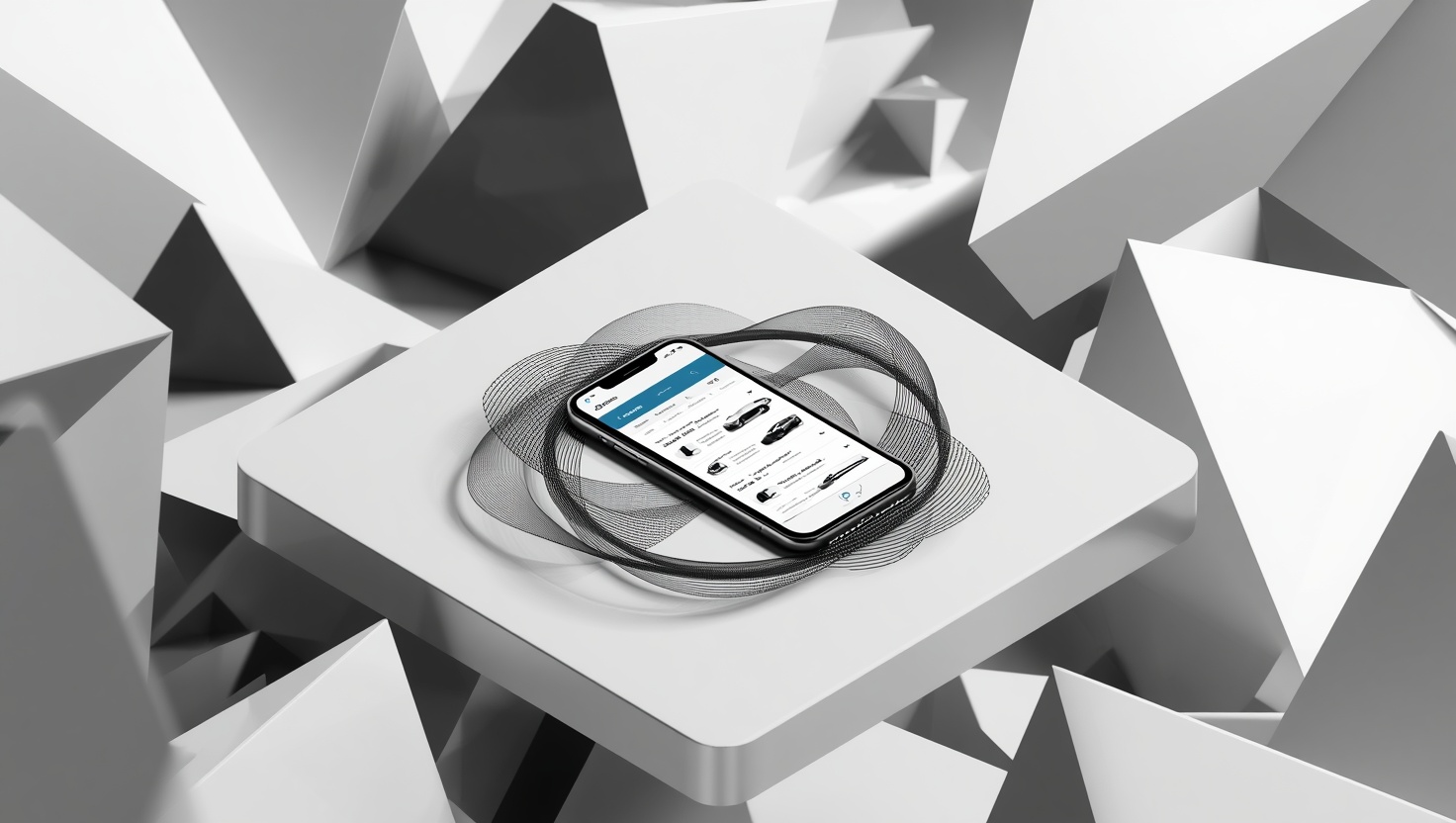







A car rental website features specific functionalities designed to meet the needs of both users and business owners.
Core Features of a Car Rental Website#
A car rental website must include specific features tailored to meet the needs of both users and business owners. These features are crucial for enhancing user experience, streamlining transactions, and increasing business revenue. As competition in the car rental sector intensifies by 2026, having an effective web design and a functional platform has become even more important. As Türk Bilişim, we will delve into the details of creating a professional and user-friendly website. Here are the essential features a car rental website should have.
Quick Summary
- User-friendly interface design
- Advanced vehicle search and filtering options
- Secure payment systems
User-Friendly Interface Design#
One of the most important features of your car rental website is having a user-friendly interface. Users should be able to easily find the vehicle they need and complete the reservation process effortlessly. For example, a simple menu structure allows users to navigate the site comfortably. Additionally, a visually appealing design and a consistent color palette attract users' attention. To increase the time users spend on the site, visuals must be high-quality, and descriptions must be clear. It should be remembered that user experience directly affects reservation rates.
Advanced Vehicle Search and Filtering Options#
On your car rental website, you should offer advanced search and filtering options so users can quickly find vehicles that suit their needs. Users should be able to filter vehicles by brand, model, price range, and other parameters. For instance, if a user wants to see only electric vehicles, they should be able to easily select this option. In addition to filtering options, providing users with the ability to compare vehicles helps them make more informed decisions. Such features improve the user experience and prevent them from leaving your website.
Secure Payment Systems#
Offering secure payment systems during car rental transactions benefits both users and businesses. Allowing users to make transactions securely with credit cards or other payment methods increases their sense of trust. Furthermore, ensuring that payment processes are fast and smooth positively impacts the user experience. Today, having a payment infrastructure compliant with PCI DSS standards is vital for the security of users' information. As Türk Bilişim, you must ensure that your website fully meets these security requirements.
In conclusion, an effective car rental website should combine core features such as a user-friendly design, comprehensive search and filtering options, and secure payment systems. These elements not only ensure that users spend more time on your site but also enhance your business's reputation and customer satisfaction. As Türk Bilişim, we can help you create a website design that considers these features to boost your business's success.
Must-Haves#
Essentials that must be included in this business:
Added Value (Bonus)#
Not mandatory but differentiating, optional features:
Türk Bilişim implements all these elements end-to-end from a single source and activates them in a way that suits your business.
Pros and Cons#
Advantages
- Increased customer satisfaction: A user-friendly website enhances customer satisfaction.
- Higher conversion rates: Easy reservation capability for users increases sales.
- Strong brand image: A professional website enhances the company's credibility.
Points to Consider
- High initial costs: Designing a professional website can be costly initially.
- Need for continuous updates: Regular maintenance and updates are required to keep the website current.
Ways to Improve User Experience#
User experience (UX) plays a critical role in the success of a website or application. The quality of users' interactions with a product directly affects their satisfaction and consequently increases the likelihood of them returning. Therefore, it is necessary to develop various ways and strategies to improve user experience. Providing a good user experience requires not only an aesthetic design but also a sensitive approach to users' needs and behaviors. Here are some effective ways to improve user experience...

1. Conduct User Research#
User research is the most effective way to understand the needs and expectations of your target audience. Methods such as surveys, focus group interviews, and user tests allow you to reflect users' real experiences. For example, an automotive rental company can conduct a survey to understand which features their users value most. If the survey results show that 80% of users prioritize fast reservation processes, they can focus on this area to improve the UX.
- Collect user feedback through focus group interviews.
- Learn about users' needs and expectations through online surveys.
2. Design Simple and Clear Navigation#
The navigation structure of your website should make it easy for users to find the information they are looking for. To increase users' interaction with your site, ensure that menus are clear and understandable. A step-by-step guiding structure can be created to prevent users from experiencing confusion about which steps to follow during a car rental process. For example, using clear headings like "Vehicle Selection," "Reservation," and "Payment" will facilitate the tracking process and satisfy users.
3. Develop Mobile-Friendly Design#
Mobile device usage is increasing day by day, and a large portion of users access websites via mobile devices. Therefore, developing mobile-friendly designs is extremely important to improve user experience. Responsive designs allow users to comfortably use your site on different devices. For instance, an automotive rental platform can optimize its application so that users can easily reserve vehicles from their mobile devices. This way, users can perform transactions easily anytime, anywhere.
4. Speed and Performance Optimization#
The loading time of your website significantly impacts user experience. According to research, if a page's loading time exceeds 2 seconds, 40% of users prefer to navigate to other pages. Therefore, you should make the necessary optimizations to improve your website's performance. Compressing images, cleaning unnecessary code, and using a fast server are ways to enhance your website's performance. For example, a rental company can reduce loading time by optimizing images to allow users to view vehicles faster.
In conclusion, improving user experience is indispensable for the success of a business. Applying the right strategies tailored to users' needs and continuously receiving feedback is key to increasing their satisfaction. In this process, working with a knowledgeable firm like Türk Bilişim can further simplify the process. With a user-focused approach, it is possible to ensure that your business's website leaves a strong impression on users.
Common Mistakes#
Complex navigation
A complex menu structure makes it difficult for users to find the information they want. Users prefer a simple and understandable structure; therefore, it is important for menus to be clean and functional.
Insufficient information presentation
Failing to adequately explain vehicle features and prices makes it difficult for users to make decisions. Detailed information presentation is critical for gaining users' trust.
Lack of security measures
Failure to protect user data leads to loss of trust. Implementing security measures like SSL certificates increases users' confidence in the site.
SEO-Friendly Content Strategies#
SEO-friendly content strategies are the key to reaching the right target audience and gaining visibility in search engines during the digital marketing process. These strategies combine both content quality and search engine optimization to create effective engagement. Elements such as identifying the right keywords, optimizing content structure, and prioritizing user experience are the cornerstones of a successful content strategy. Additionally, following current trends and conducting data analysis are important parts of continuously improving your strategy. In this article, we will provide detailed information on how to create and implement SEO-friendly content strategies.

Research and Planning Process#
Every successful content strategy begins with a solid research and planning process. At this stage, knowing your target audience and identifying their needs is critically important. For example, by conducting keyword research, you can find the terms potential customers search for most frequently. Using tools (e.g., Google Keyword Planner), you can analyze the search volumes and competition levels of these keywords. This data guides you on which topics should be prioritized during the content creation process.
- Identify your target audience by conducting keyword research.
- Examine market trends through competitive analysis.
Content Structure and Design#
Content structure is very important for enhancing user experience. Creating a good hierarchy between headings, subheadings, and paragraphs ensures that the reader does not get lost in the content. Additionally, the visuals, videos, and infographics used in the content must also be SEO-friendly. For instance, optimizing image alt tags and setting descriptive file names helps search engines better understand the content. Also, remember to use internal and external links to enrich your content; this both builds authority and encourages users to spend more time on your page.
User Experience and Engagement#
User experience is a critical factor for the success of your SEO strategy. Elements such as fast loading times, mobile compatibility, and easy navigation increase the time visitors spend on the site. For example, for an e-commerce site, users should be able to easily find and purchase products. Collecting surveys, feedback forms, and user comments allows users to interact with the content. Thus, you can obtain valuable data to improve your content.
In conclusion, creating SEO-friendly content strategies not only increases visibility in search engines but also encourages brand loyalty by meeting user needs. By combining the right research, planning, structure, and user experience elements, you can make your content both high-quality and effective. As Türk Bilişim, we aim to support you in implementing these strategies.
Strategic Approaches for Car Rental Websites
Car rental companies' websites should be designed with a focus on user experience. Allowing users to easily make vehicle reservations helps companies gain a competitive advantage.
Additionally, mobile-friendly designs and fast loading times are important factors that make users prefer the site. These elements increase customer satisfaction and support the long-term success of companies.
The Importance of Mobile Compatibility and Speed#
Mobile compatibility and speed are two critical elements that no business can afford to overlook in today's digital world. Especially with the increasing use of mobile devices, it has become mandatory for websites to be mobile-friendly. Considering that over 50% of users access the internet via mobile devices, it is vital for businesses to design mobile-compatible websites. Speed, on the other hand, is a factor that directly affects user experience. Fast loading of mobile sites ensures that users spend more time on the site, which positively impacts conversion rates. For example, if a website takes 3 seconds or more to load, 40% of users will abandon that site. As Türk Bilişim, we help businesses strengthen their digital assets by offering in-depth knowledge and experience in mobile compatibility and speed.
What is Mobile Compatibility and Why is it Important?#
Mobile compatibility means that a website is displayed and usable correctly on mobile devices. When users access a site from their mobile devices, the site's design and content must be presented in a compatible manner. If a site is not mobile-friendly, users have to zoom in or scroll, which negatively impacts the user experience. For instance, on an e-commerce site, if users have to zoom in to view products, this may cause them to abandon their shopping.
- Mobile compatibility is also important for search engine optimization (SEO); Google ranks mobile-friendly sites higher in search results.
- It is directly related to user loyalty; users prefer mobile-friendly sites and are more likely to return.
The Impact of Speed on User Experience#
The speed of a website directly affects users' reactions to page load times. Fast-loading sites ensure users stay longer, increasing engagement rates. For example, if a site loads in 1 second, 17% of users show more interaction, and conversion rates increase by 7%. However, if the loading time exceeds 5 seconds, 90% of users may choose to leave the site. This is a significant loss, especially for e-commerce sites. Therefore, speed optimization is a critical step for improving user experience.
Tips for Speed and Mobile Compatibility#
It is important to implement some technical strategies to both increase the speed of your website and make it mobile-friendly. First, optimizing the size of image and video files will significantly reduce loading times. Additionally, using browser caching and content delivery networks (CDNs) also increases site speed. Third, reducing page weight by removing unnecessary JavaScript and CSS files allows users to have a faster experience. For example, Türk Bilişim optimizes the speed and mobile compatibility of its clients' websites by implementing these strategies.
In conclusion, mobile compatibility and speed are the cornerstones of building a successful presence in the digital world. These two features of websites should not be overlooked to meet user expectations. While mobile compatibility increases the likelihood of users visiting your site, speed ensures they spend more time on it. Therefore, as Türk Bilişim, we offer comprehensive solutions to ensure that websites are both mobile-friendly and fast. Remember, prioritizing user experience is the most effective way to gain a competitive advantage.
Contact Turkish Informatics#
Get a free discovery and quote from Turkish Informatics' expert team for your project; let's achieve your digital goals together:
- Phone: 0216 755 3 555
- WhatsApp: 0532 216 07 54
- Email: [email protected]
- Web: turkbilisim.com.tr
Bu içeriği nasıl buldunuz?
Reaksiyon vermek için giriş yapmanız gerekiyor.
You Might Also Like





Gallery