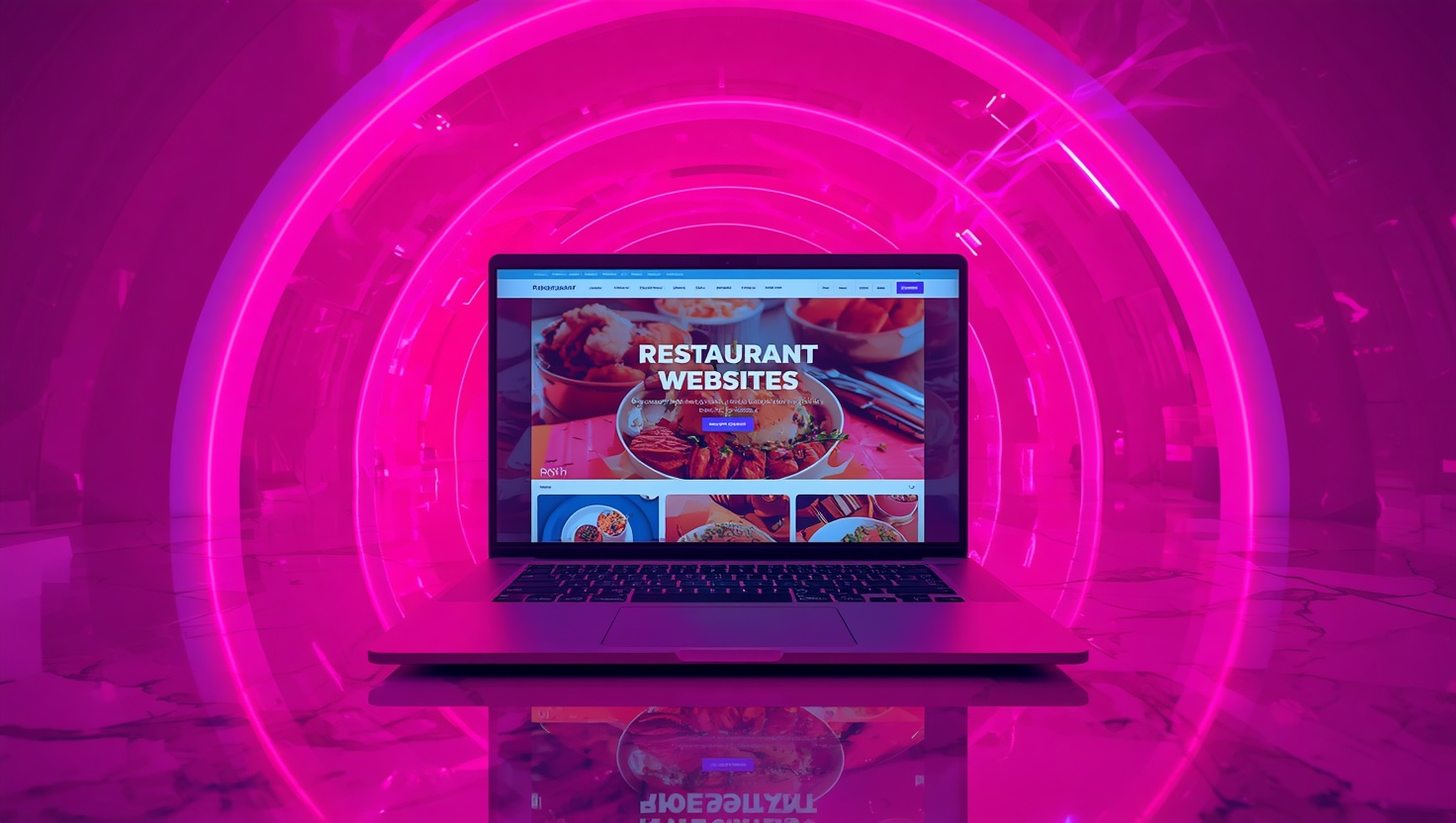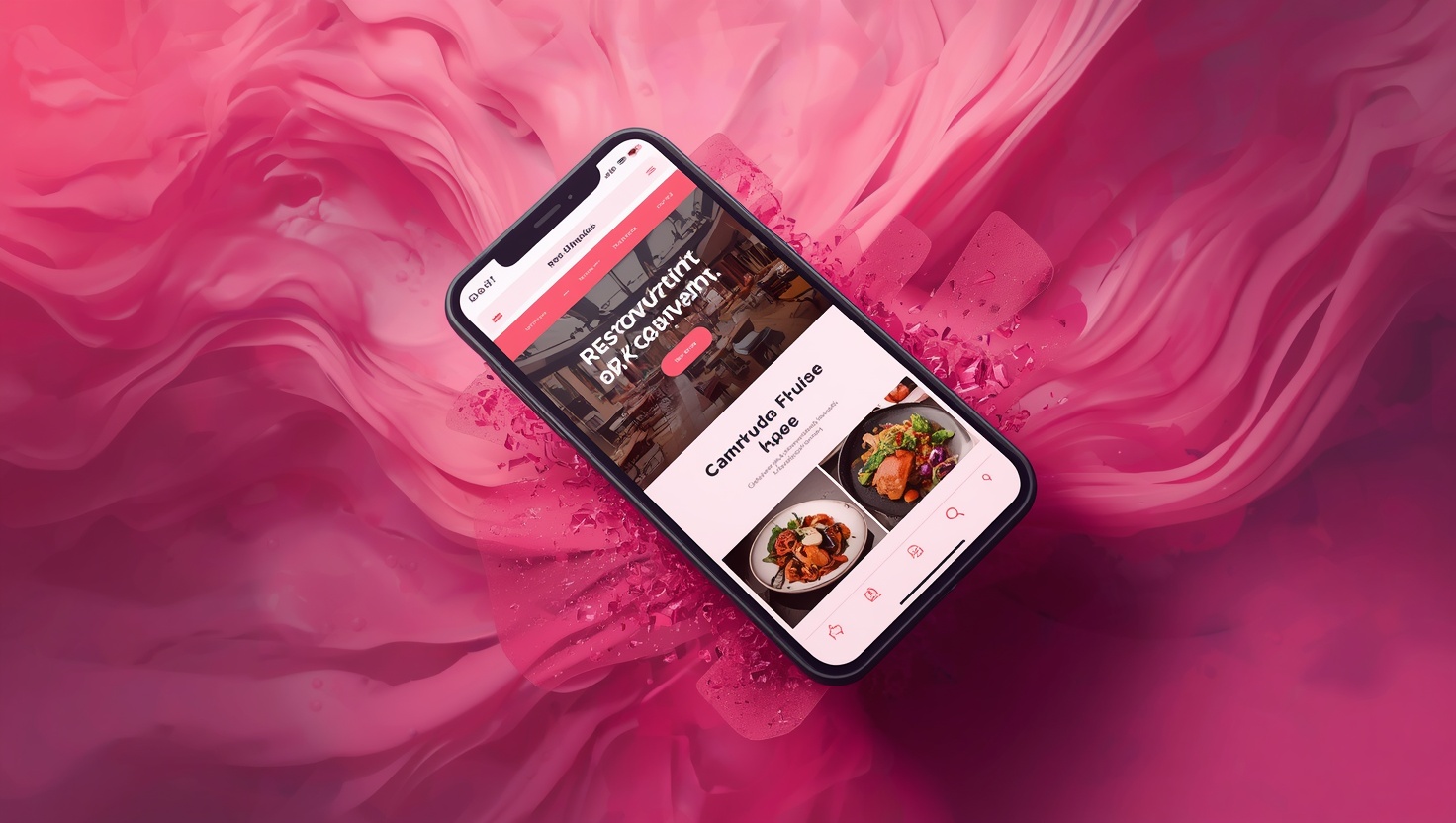







Creating an effective website for restaurant owners is not just about achieving an aesthetic appearance; it also involves providing potential customers with...

Key Elements of an Effective Restaurant Website#
For restaurant owners, creating an effective website is not just about achieving an aesthetic appearance; it is also key to reaching potential customers, simplifying reservations, and increasing brand awareness. As of 2026, a restaurant's online presence has become as important as its physical presence. At this point, elements such as user-friendly design, fast loading times, and effective content strategies form the cornerstones of a successful restaurant website. So, what exactly are these elements? Let's take a closer look at the fundamental components of an effective restaurant website.
Quick Summary
- Fast and effective reservation system
- Visually appealing and user-friendly design
- Mobile compatibility and fast loading times
Fast and Effective Reservation System#
Perhaps one of the most critical elements of a restaurant website is a system that makes it easy for users to make reservations. Users should be able to quickly select a date and time and make a reservation. For example, a restaurant's website should address the biggest difficulties users face when making a reservation. Users often give up when faced with complex forms. Therefore, a simple reservation form should be designed to collect sufficient data. For instance, asking only for name, phone number, and date information can speed up the process.
- Fast response times: It is important for users to receive a quick response to their reservation requests.
- Automatic confirmation emails: Automated emails notifying users that their reservation is confirmed build trust.
Visually Appealing and User-Friendly Design#
A good web design should be enriched with visuals that reflect your restaurant's identity. Stylish photos of menu items, the interior, and special events can capture users' attention. Users form their first impressions based on visual elements, so using eye-catching visuals is critically important. Moreover, the loading speed of visual content must also be considered. Fast-loading visuals positively impact the user experience. For example, a restaurant's visual elements might include a flowing menu design or attention-grabbing banners.
Mobile Compatibility and Fast Loading Times#
Statistics show that 70% of users access the internet via mobile devices. Therefore, having a mobile-friendly website is an important way to connect with potential customers. Mobile-friendly designs should automatically adapt to different screen sizes. Additionally, fast loading times for your website increase user satisfaction. According to research, when page loading times exceed 3 seconds, 40% of users abandon the site. Therefore, optimizing your restaurant website provides a significant advantage for both user experience and SEO.
In conclusion, creating an effective restaurant website involves more than just aesthetic elements. A fast reservation system, visually appealing design, and mobile compatibility are the fundamental elements of a successful website. As Türk Bilişim, we can support you in this process and strengthen your restaurant's online presence. Remember, with the right design and strategy, you can effectively attract potential customers and increase your sales.
Must-Haves#
These are the essentials that must be present:
Added Value (Bonus)#
These are optional but make a difference:
Türk Bilişim sets up and activates all these elements end-to-end, tailored to your business.
Design Strategies That Enhance Customer Experience#
Customer experience is one of the most critical factors directly impacting a business's success. Companies in the restaurant, retail, or service sectors must design every point of user interaction in the best possible way. In this context, design strategies play a major role in appealing to the target audience and meeting their needs. The experience customers feel when they visit the site, navigate between pages, or purchase products increases their loyalty and return rates. In this article, we will step by step examine effective design strategies aimed at enhancing customer experience.
User Interface (UI) and User Experience (UX) Design#
UI and UX design form the foundation for enhancing customer experience. While the user interface includes the visual elements that guide visitors' interactions on the website, user experience is the user's perception behind these interactions. For example, in the design of a restaurant website's menu page, the quality of images and readability of texts can directly influence users' desire to order. Users being able to easily navigate the menu speeds up the entire ordering process and encourages customers to revisit the site.
- Using readable fonts and color palettes.
- Ensuring user-friendly design on mobile devices as well.
Fast Loading Times#
Your website's loading speed is another critical factor directly affecting customer experience. According to research, when web page loading time exceeds 2 seconds, 47% of users abandon the page. For restaurants, fast loading times make a significant difference, especially among mobile device users. Therefore, steps such as optimizing images and removing unnecessary plugins should be taken. Additionally, using a content delivery network (CDN) can significantly reduce loading times.
Visualization of Products and Services#
Effectively visualizing products or services enriches the customer experience. Photos on restaurant websites should reflect not only the appearance of the food but also the ambiance of the venue. For example, using high-quality photos and videos allows potential customers to gather more information and increases their desire to order. Additionally, adding virtual tours that allow users to experience the restaurant's offering in advance can be a very effective strategy.
Communication and Feedback Mechanisms#
Another important element of customer experience is the methods users use to communicate with the business. Offering easily accessible contact forms, live chat options, or social media links on the website enables users to resolve their questions quickly. In addition, creating areas where users can provide feedback helps your business continuously improve. Responding to customers' positive or negative comments increases customer loyalty and reinforces the brand's credibility.
In conclusion, design strategies that enhance customer experience are factors that directly impact a company's success. Elements such as user interface and experience, fast loading times, visualization, and communication mechanisms strengthen a business's position in the market. Effectively implementing these strategies is vital for ensuring customer return and increasing their loyalty. If you are seeking professional support in these processes, getting help from an expert team can assist you in achieving your goals.
Pros and Cons#
Advantages
- Increases customer satisfaction; a user-friendly website positively impacts customer return rates.
- More reservations; easy access and fast reservation processes attract more customers.
- Increases brand awareness; impressive visuals and content boost the restaurant's recognition.
Points to Consider
- High initial costs; professional web design and development can be costly at the start.
- Need for continuous updates; menu changes, events, and content updates must be made regularly.
The Importance of Creating SEO-Friendly Content#
Creating SEO-friendly content is one of the most effective ways to gain visibility in the digital world and reach your target audience. Search engines continuously update their algorithms to provide users with the most relevant and high-quality content for their search terms. In this context, SEO (Search Engine Optimization) friendly content not only places keywords correctly but also aims to meet users' needs by offering valuable information. Having SEO-friendly content ensures you obtain organic traffic and stand out in the competitive digital market. Therefore, understanding the importance of creating SEO-friendly content is one of the fundamental pillars of a successful digital strategy.

What is SEO-Friendly Content?#
SEO-friendly content refers to content that can be easily crawled and indexed by search engines. Additionally, it is content created in line with users' search habits and provides useful information. For example, consider a restaurant website. If this site only contains menu information, it will be difficult for users to find this site when they search for terms like "best restaurants" on search engines. However, if the content includes detailed information such as the restaurant's menu, atmosphere, special recipes, and user reviews, search engines will find this site more valuable and rank it higher. Thus, a more meaningful whole is achieved for both users and search engines.
Key Elements of Creating SEO-Friendly Content#
There are some key elements to creating SEO-friendly content. First and foremost, conducting keyword analysis is of great importance. Understanding which terms your target audience searches for helps you determine the keywords for your content. Additionally, the titles and subtitles of your content need to be effectively optimized. For example, strategically placing your keywords using heading tags (H1, H2, H3) helps search engines better understand your content. Furthermore, the length of your content is also important. Long and detailed content provides users with more information, increasing the authority of the page. Therefore, you should make your content as comprehensive and informative as possible.
- Learn your target audience's search habits by conducting keyword analysis.
- Effectively optimize titles and subtitles.
- Add value for the user by creating long and detailed content.
Benefits of Creating SEO-Friendly Content#
Creating SEO-friendly content has many benefits. First of all, it increases organic traffic. Search engines display content that matches users' search terms in higher rankings. This increases the number of visitors to your website and raises your chances of reaching potential customers. At the same time, it helps build brand awareness. By regularly producing high-quality content, you establish a place in users' minds. In the long run, this increases your brand's authority in the industry. Moreover, SEO-friendly content can also boost conversion rates. If users do not struggle to find the information they are looking for, they stay longer on your site and their purchasing behavior increases.
Things to Consider When Creating SEO-Friendly Content#
There are some points to consider when creating SEO-friendly content. First, you must keep your content up to date. Search engines place more value on fresh content. Therefore, it is important to regularly review and update the content on your website. Additionally, using visual elements in your content can be beneficial. Visuals support your text and improve the user experience. Finally, ensure your content is shareable. Shareable content on social media platforms helps you reach more users and indirectly boosts your SEO performance.
In conclusion, creating SEO-friendly content is an indispensable part of your digital marketing strategy. Producing valuable and informative content that meets users' needs allows you to act in accordance with search engine algorithms and strengthens your brand's presence in the digital world. Therefore, do not hesitate to take the necessary steps to optimize your content. Remember, quality content always wins.
Common Mistakes#
Insufficient visual content
A lack of sufficient visual content reflecting the restaurant's dishes and atmosphere can cause potential customers to lose interest. High-quality photos and videos positively influence users' decision-making process.
Complex menu structure
If visitors struggle to understand the menu, it can complicate the ordering process. The menu should be presented clearly and organized, with prices and special offers clearly stated.
Insufficient mobile optimization
A website that is not mobile-friendly can lead smartphone users to leave the site. Responsive design is critical for improving the user experience on all devices.
The Role of Mobile Compatibility and Speed#
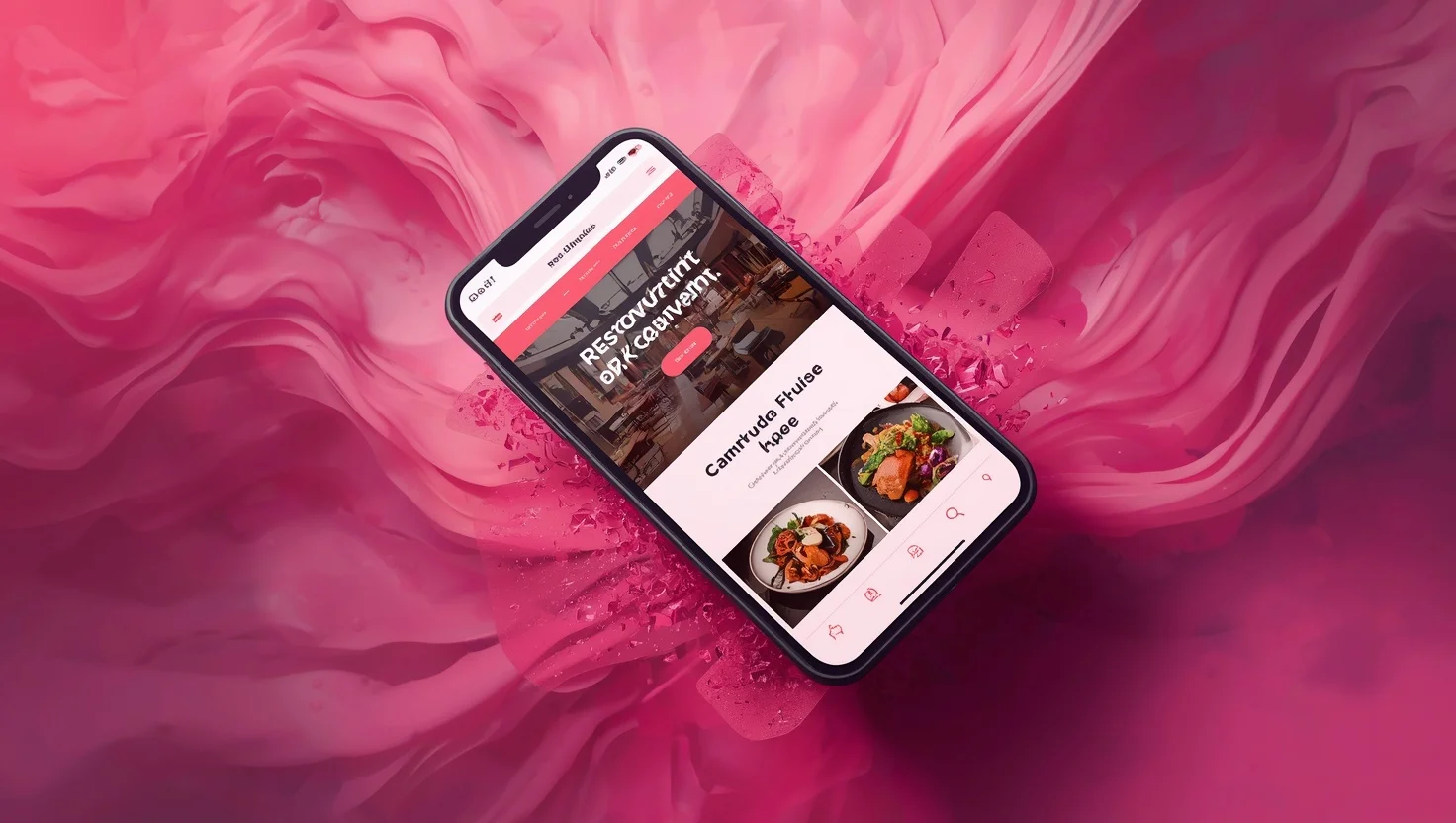
Mobile compatibility and speed are two fundamental factors that determine the success of websites for restaurants. While mobile compatibility ensures users can easily view your website on mobile devices such as smartphones and tablets, speed is a critical element that directly impacts user experience. As of 2026, internet traffic from mobile devices is estimated to be over 70%. This makes it essential for restaurant businesses to have mobile-friendly and fast websites. Users may quickly abandon websites due to long loading times and incompatible designs. Therefore, improvements in these areas will directly affect sales and brand loyalty by enhancing the customer experience for restaurants.
The Importance of Mobile Compatibility#
Mobile compatibility ensures users can view your website correctly on different devices. Responsive design is the most effective way to achieve this goal. Responsive design allows your website to automatically adjust according to the user's screen size. For example, the mobile version of a restaurant's website might highlight features like quick access to the menu, making reservations, and easily finding contact information, while the desktop version can offer more visuals and content. This kind of compatibility improves user experience and increases customer satisfaction. Additionally, Google's search algorithms also consider mobile compatibility when ranking, making it a critical factor for your restaurant's visibility in search engines.
The Impact of Speed on User Experience#
The speed of your website has a direct impact on user experience. Research shows that for every 1-second delay in page load time, conversions drop by 7%. This can be critical for restaurant websites because users want quick access to the menu, reservation forms, or contact information. A slow-loading site can test users' patience, causing them to leave the site. Methods to increase speed include techniques such as image optimization, removing unnecessary plugins, and caching. These improvements enhance user experience and help you get better evaluations from search engines.
Mobile Speed Testing Tools#
There are some tools you can use to test your website's mobile compatibility and speed. Google's PageSpeed Insights tool analyzes your site's speed and mobile compatibility, and also offers improvement suggestions. Such tools provide restaurant owners with clear information about their site's performance and show which areas need improvement. Additionally, tools like GTmetrix examine your loading speed and offer different optimization suggestions. This type of data helps restaurant owners continuously improve their sites.
Key Takeaway
Mobile compatibility and speed are critical elements for restaurant websites. Responsive design and fast loading times improve user experience and increase business visibility. By optimizing your website according to these criteria, you can significantly increase customer satisfaction and conversions.
Strategic Approaches for Restaurant Websites
Today, the digital assets of restaurants play a critical role in customer acquisition. A well-designed website should not only provide information but also function as a showcase that reflects the brand's identity.
Prioritizing user experience enables restaurants to gain a competitive advantage. A visually appealing and functional website that meets customer needs is one of the cornerstones of building a loyal customer base.
Integration of Online Reservation and Ordering Systems#
Online reservation and ordering systems for restaurants not only enhance the customer experience but also significantly improve operational efficiency. Especially as of 2026, in this period of accelerated digitalization, the integration of these systems has become inevitable for the gastronomy sector. The ability for customers to make reservations and place orders quickly and easily via their mobile devices allows restaurants to both increase customer satisfaction and optimize their business processes. As Türk Bilişim, we offer customized solutions for restaurants to manage these processes effectively. In this article, we will discuss in detail why the integration of online reservation and ordering systems is so important, which features should be prioritized, and the steps to follow for a successful integration process.
The Importance of Online Reservation Systems#
Restaurants transitioning to online reservation systems not only enhance customer comfort but also reduce the administrative burden on the business. While customers can easily make reservations over the internet, restaurants gain the ability to centralize all reservations in a single system. This prevents erroneous reservations and ensures more efficient use of tables. For example, when a customer makes a reservation for dinner at 8:00 PM, the system can automatically plan the preparation of the table. Such systems also offer flexibility, such as cancellations or changes on the same day, making the restaurant management's workflow smoother.
Integration of Ordering Systems#
The integration of online ordering systems not only increases the revenue stream for restaurants but also directly impacts customer satisfaction. Especially in the post-pandemic period, the increased demand for delivery and takeaway services has highlighted the importance of these systems. Restaurants can manage every stage from order receipt to delivery through an integrated system. For instance, when a customer places an order via an app or website, this order is automatically transferred to the kitchen system, and the preparation process begins. This provides fast service while also reducing the margin of error.
Key Considerations for a Successful Integration#
There are several important points to consider during the integration of online reservation and ordering systems. First and foremost, user experience should always be a priority. Systems must not be complex, ensuring customers can use them easily. Additionally, compatibility with the restaurant's existing infrastructure should be ensured. Appropriate software and hardware selections contribute to a smooth integration process. Another crucial aspect is keeping the systems up to date. Updates and maintenance processes should not be neglected; otherwise, potential system disruptions could negatively impact customer satisfaction.
Conclusion and Recommendations#
The integration of online reservation and ordering systems plays a critical role in the digital transformation of restaurants. To increase customer satisfaction while also boosting operational efficiency, these systems must be integrated correctly. As Türk Bilişim, we offer customized solutions for restaurants during this process, carrying out the integration of systems tailored to their needs. Remember, you need to accelerate this digital transformation to meet your customers' expectations and gain a competitive advantage. If you also wish to integrate online reservation and ordering systems, contact Türk Bilişim, and let us conduct an on-site assessment.
Bu içeriği nasıl buldunuz?
Reaksiyon vermek için giriş yapmanız gerekiyor.
You Might Also Like






Gallery