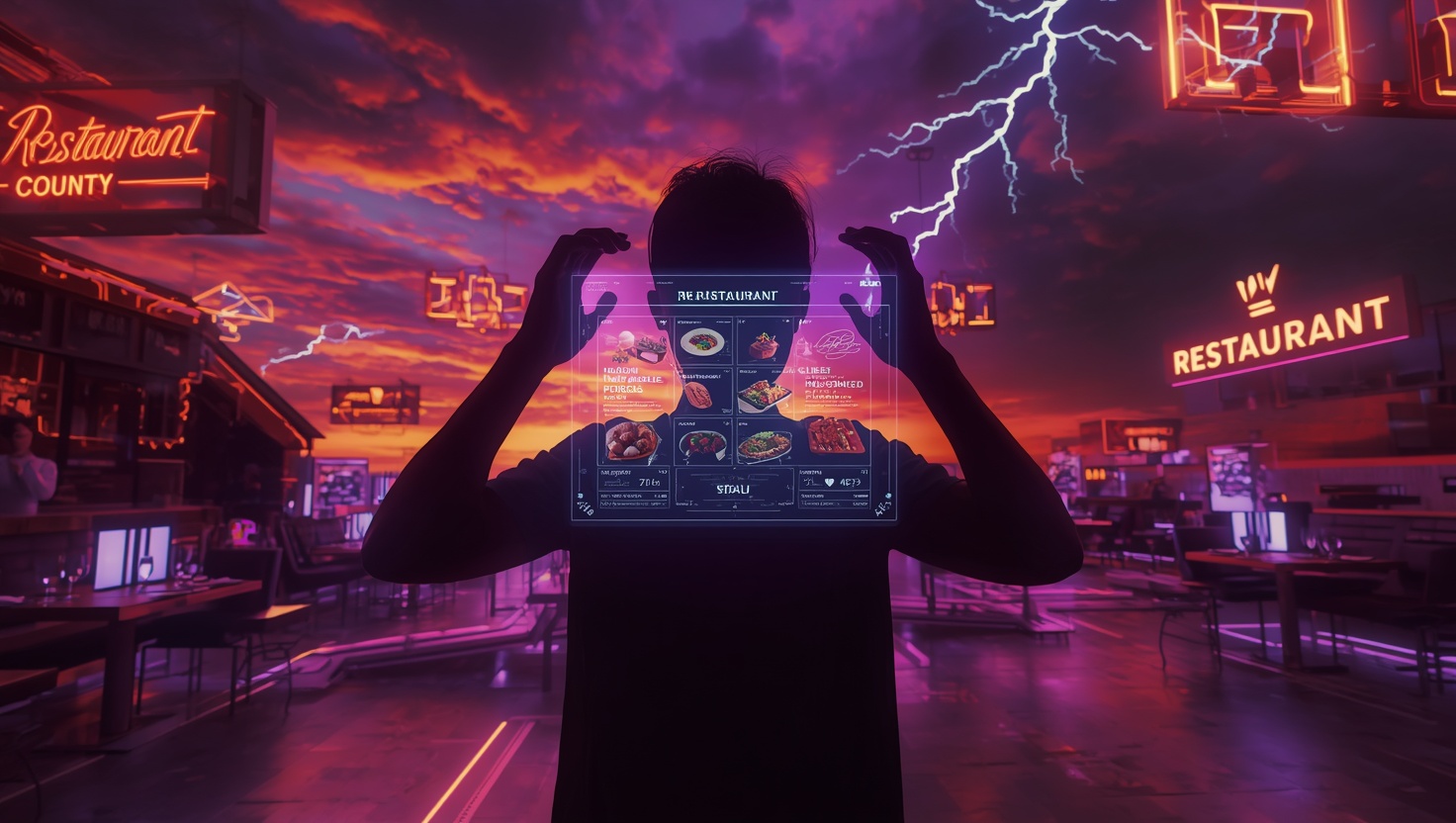





A restaurant website design means much more than just sharing the food menu or contact information.
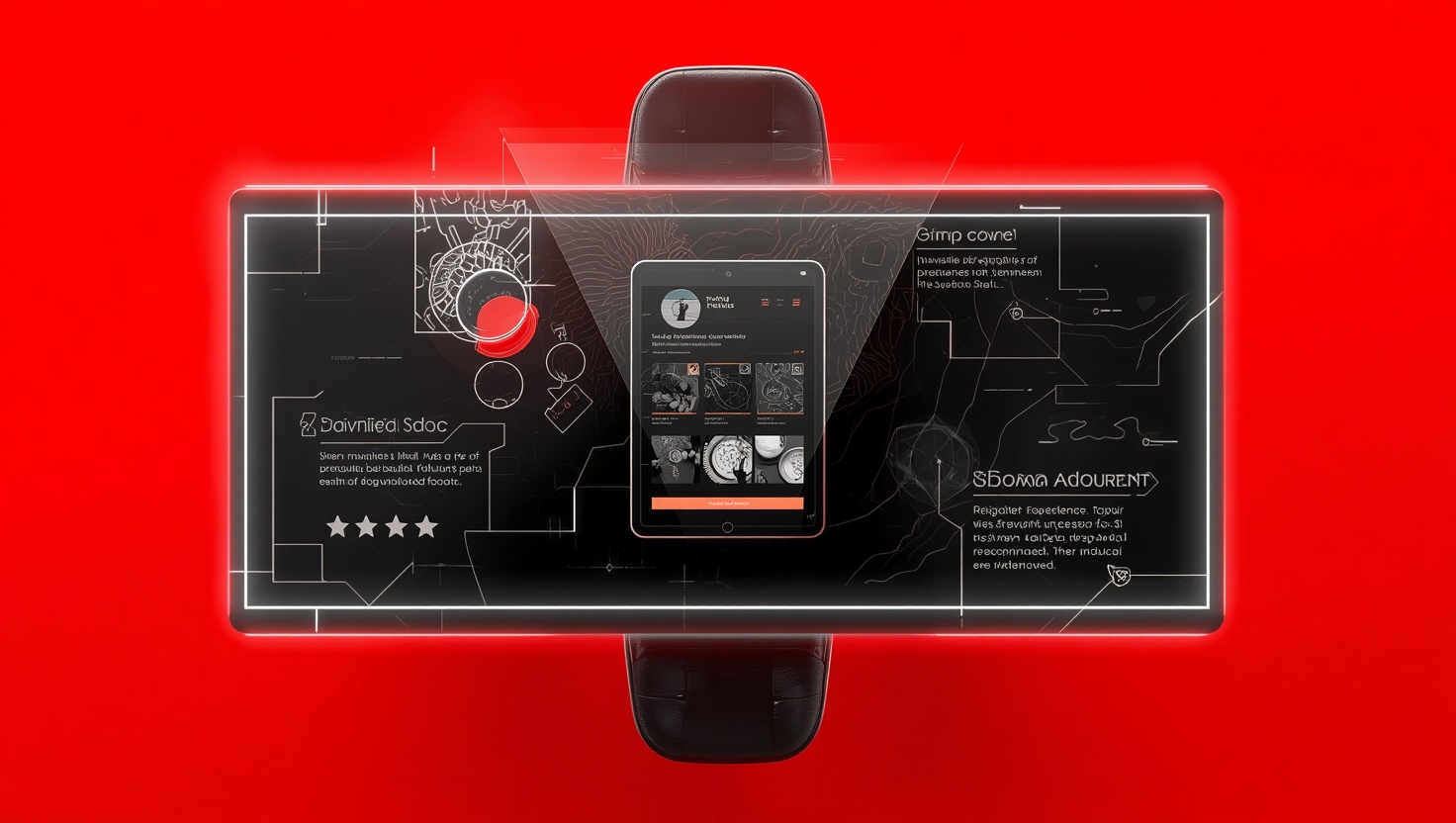
Aesthetics and Functionality in Restaurant Website Design#
A restaurant website design means much more than just sharing the menu or contact information. Aesthetics and functionality stand out as two critical elements that directly impact user experience. While aesthetics create the emotional connection visitors feel upon first entering the site, functionality ensures users can navigate the site comfortably and find what they are looking for easily. The balanced combination of these two elements helps your restaurant make a difference in the digital world. As Türk Bilişim, we will focus on various strategies and design elements to achieve this balance.
Quick Summary
- Aesthetics and functionality complement each other in web design.
- The right color palette and visuals improve user experience.
- Mobile compatibility is an unavoidable necessity today.
The Importance of Aesthetic Elements#
Aesthetics encompass the sum of elements that determine visual appeal in web design. The appearance of your restaurant's website reflects your brand's image and gives potential customers their first impression. For example, color choices, fonts, and graphic usage should reflect the restaurant's atmosphere. If you are designing for a seafood restaurant, fresh color palettes like shades of blue and white can be preferred, emphasizing the connection to the sea. Additionally, using high-resolution, professionally taken visuals captures visitors' attention. Therefore, carefully selecting aesthetic elements positively influences the first impression of your website.
Functionality: The Foundation of User Experience#
Although aesthetics are important, functionality plays a critical role in the success of a website. Allowing users to navigate the site smoothly and quickly increases the conversion rate. For instance, it is essential to offer an easily accessible reservation form so users can make reservations. Furthermore, providing quick access to important elements like the menu and contact information is also very important. A user-friendly interface leads visitors to stay longer on the site and interact more. Site speed is also a critical factor at this point; a slow-loading website can lead to the loss of potential customers.
The Importance of Mobile Compatibility#
Today, a large portion of internet traffic comes from mobile devices. Therefore, mobile compatibility for restaurant websites has become a necessity. Mobile compatibility ensures the site displays properly on all devices and screen sizes. Using responsive design techniques, it is possible to ensure your website looks good on devices of any size. Additionally, mobile users are often looking for quick information; thus, making menus, location information, and contact channels easily accessible greatly enhances the user experience.
In conclusion, establishing a solid balance between aesthetics and functionality in restaurant website design is vital for success. Along with aesthetic elements that positively influence visitors' first impressions, providing a user-friendly and fast experience is also necessary. As Türk Bilişim, we work to strengthen your restaurant's digital presence by combining these two elements. A good web design should not only be visually appealing but also highly functional; in this way, you can both strengthen your brand image and increase user satisfaction.
Must-Haves#
Essentials that must be included in this work:
Added Value (Bonus)#
Not mandatory but differentiating, optional items:
Türk Bilişim sets up and activates all these elements end-to-end, tailored to your business.
User Experience: Elements to Consider on a Restaurant Website#
Restaurant websites should be specifically designed to maximize user experience. The time visitors spend on your site reflects not only your food but also your presentation and service quality. Creating a website where users can easily navigate, quickly find the information they are looking for, and make reservations is critical for the success of your business. In this article, we will explore the elements to consider on restaurant websites and discover ways to enhance user experience.

1. Speed and Performance#
The loading speed of your website is one of the most important elements of user experience. Users prefer to go to another site rather than wait for a page to load. According to research, 40% of users state that they leave a site if a page takes more than 3 seconds to load. Therefore, you should increase your speed by optimizing your site, removing unnecessary visuals, and reducing server response times. Additionally, a mobile-friendly design makes it easier for users to access the site from different devices.
2. User-Friendly Navigation#
Site navigation should make it easy for visitors to find the information they are looking for. Especially for a restaurant website, quick access to main pages like menu, reservation, address, and contact information is important. Users should be able to reach the information they need within 2 clicks. A well-structured menu and search function help users find what they are looking for easily. Instead of multi-layered menus, a simple and understandable structure should be preferred.
3. Visual Elements and Content Quality#
On restaurant websites, visuals are one of the most important elements that attract users' attention. High-quality food photos are a great opportunity to reflect the restaurant's atmosphere and presentation quality. Additionally, original and informative content also draws users' interest. Users may want to get information about menu items, learn about the restaurant's history, or be informed about special events. Therefore, you should keep your content up-to-date and engaging.
4. Reservation Process and User Feedback#
An online reservation system is a must-have for your restaurant website. You should offer a simple and understandable interface so that users can easily make reservations. To minimize potential issues users may encounter while entering information during the reservation process, you should design form fields to be clean and user-friendly. Additionally, collecting user feedback is a critical step to improve your restaurant's service quality. Customer reviews help you gain the trust of new visitors and also provide an opportunity to enhance your services by considering the suggestions of existing customers.
In conclusion, to enhance user experience on your restaurant website, you should pay attention to factors such as speed, navigation, visual elements, and the reservation process. These elements help users spend more time on your site and increase the likelihood of them visiting your restaurant. A good web design should be both aesthetic and functional. Therefore, by working with a professional team, you should create a restaurant website that maximizes user experience.
Pros and Cons#
Advantages
- Increasing customer reach: A good website offers the opportunity to reach more customers.
- Boosting brand awareness: A professional design strengthens the restaurant's image.
- Providing a competitive advantage: It offers the chance to stand out by differentiating from other restaurants.
Points to Consider
- High initial costs: Creating a professional website can be costly at the start.
- Need for continuous updates: Menus and content must be constantly updated; otherwise, outdated information can mislead customers.
Mobile Compatibility: Why It Matters for Restaurant Websites#
Restaurant websites are one of the most effective ways to reach customers today, making mobile compatibility critically important. As mobile device usage rates rapidly increase, the way restaurants connect with their target audience is also changing. By 2026, mobile traffic is estimated to account for 70% of total internet traffic. This clearly highlights how essential it is for restaurant websites to be mobile-friendly. Enhancing user experience, achieving better search engine rankings, and ultimately gaining more customers are reasons why mobile compatibility for restaurant websites should not be overlooked.
User Experience Provided by Mobile Compatibility#
Mobile compatibility means users can easily view your website on any device. For example, when a customer wants to check the menu or make a reservation while on the go, a mobile-friendly site provides a seamless experience. User experience is a decisive factor in a website's success. Mobile-friendly sites offer faster loading times and a user-friendly interface. This encourages users to stay longer on the site and increases conversion rates.
- Fast loading times: Mobile-friendly sites load quickly with optimized images and reduced resource consumption.
- User-friendly design: Using responsive design ensures a consistent experience across all devices.
Search Engine Optimization (SEO) and Mobile Compatibility#
Mobile compatibility is also extremely important for search engine optimization (SEO). Google tends to rank mobile-friendly websites higher in search results. Research conducted as of 2026 shows that mobile-friendly sites receive 55% more clicks in search results. If your restaurant website is not mobile-friendly, you risk not only losing potential customers but also falling behind in search engine rankings. Having a mobile-friendly site increases your restaurant's online visibility.
Gaining a Competitive Advantage#
A mobile-friendly website provides your restaurant with a significant advantage over competitors. Today, many restaurants fall short in making their websites mobile-friendly. If you have a mobile-friendly site, it offers a great opportunity to attract potential customers. Customers seek easy access and quick information. For instance, a mobile-friendly design helps you stand out among other restaurants in your area, drawing more attention. Allowing users to easily view the menu, make reservations, and access contact information will be a key reason for them to choose your restaurant.
In conclusion, mobile compatibility is not just a necessity for restaurant websites but also a factor that directly impacts success. Creating a mobile-friendly website is inevitable for improving user experience, boosting SEO performance, and gaining a competitive edge. Therefore, making their websites mobile-friendly is a critical step for restaurant owners to stay afloat in today's digital market and attract more customers.
Common Mistakes#
Insufficient visuals
A lack of sufficient visual content on the website can cause users to lose interest. The food and the restaurant's atmosphere need to be well represented. This shortcoming should be addressed by using high-quality photos and videos.
Complex navigation
A complicated menu structure that causes users to get lost on the site negatively impacts user experience. Simple and clear navigation should ensure users can easily find the information they need.
Insufficient contact information
If the restaurant's contact information is missing or hard to find, it becomes difficult for customers to make reservations or ask questions. Making contact information visible on every page allows users to easily reach out.
SEO Strategies: How to Make Your Restaurant Website Stand Out in Search Engines?#
Your restaurant website can become an effective tool to stand out in the digital world and reach potential customers. However, to achieve this goal, it is beneficial to determine the right SEO strategies. Search engines use various criteria to determine how they evaluate your site's content. A website structured in accordance with these criteria will enable you to rank higher in search engines. In this article, we will discuss in detail the strategies that will improve the SEO performance of your restaurant website. By learning the points you need to pay attention to at every stage, from the right keywords to content optimization, you will be able to take the necessary steps to get ahead of your competitors.

1. Keyword Research and Optimization#
Keyword research, one of the cornerstones of SEO, allows you to understand what kind of terms your target audience uses in search engines. For example, by identifying specific keywords like "best pizza restaurant" or "vegan meals," you should decide how to use these words on your website. Placing keywords naturally in titles, descriptions, and content allows search engines to analyze your site better.
- Use your keywords in heading tags.
- Include keywords in meta descriptions.
- Strengthen SEO by using keywords in image alt tags.
2. Content Quality and Updates#
High-quality content is essential for SEO. Creating content such as menu recipes specific to your restaurant, interviews with chefs, or the history of your restaurant adds value to visitors and also attracts the attention of search engines. Additionally, it is important to keep your content up to date; outdated content is considered less valuable by search engines. You can maintain the freshness of your site by updating content once a month.
3. Local SEO Strategies#
A large portion of restaurants cater to local customers. Therefore, implementing local SEO strategies is critically important. Creating a Google My Business listing ensures your restaurant is more visible in local searches. Additionally, writing content that includes local keywords related to your restaurant increases your ranking in local search results. For example, creating content like "best kebab restaurant in Istanbul" makes it easier to reach your potential customer base.
4. Mobile Compatibility and Speed Optimization#
Today, many users connect to the internet via mobile devices. Therefore, your restaurant website must be mobile-friendly. A mobile-friendly design improves user experience and is rewarded by search engines. Additionally, your website's loading speed is a critical factor for SEO. A fast-loading site ensures visitors stay longer on the site, which sends a positive signal to search engines.
Implementing all these strategies will make your restaurant website more visible in search engines. By combining elements such as correct keyword usage, high-quality and up-to-date content, local SEO practices, and mobile compatibility, you can reach your target audience more effectively. Thus, you can strengthen your restaurant's presence in the digital world and attract more customers.
Things to Consider in Restaurant Website Design
A successful restaurant website should be user-friendly and quickly respond to the needs of visitors.
User experience is a factor that directly affects customer satisfaction and, consequently, the success of the restaurant. Therefore, it is of great importance that the design is balanced in terms of aesthetics and functionality.
Communication and Reservation Systems: Essentials for a Restaurant Website#
A restaurant website is an important platform that influences users' dining experience from the very first step. An effective communication and reservation system is critical for attracting potential customers and drawing them to the restaurant. These systems not only increase customer satisfaction but also streamline the restaurant's operations. Nowadays, online reservations, user-friendly communication channels, and fast response mechanisms have become one of the most significant competitive advantages for restaurants. In this section, we will delve into the communication and reservation systems that should be present on your restaurant website.
The Importance of an Online Reservation System#
Online reservation systems allow restaurants to manage customer requests effectively. With advancing technology, users now prefer to make reservations through online systems rather than calling by phone. These systems enable users to select a date and time and create an instant reservation. For example, a customer can choose their preferred date for dinner, fill out the online reservation form, and complete the process with just a few clicks. In this process, a user-friendly interface increases the speed of transactions and customer satisfaction.
- Fast and easy access: Customers can make reservations whenever they want.
- Automatic reminders: The system reminds customers of their reservation date.
Contact Forms and Customer Feedback#
Establishing an effective communication system on your restaurant website plays a crucial role in customer interaction. Contact forms are the most suitable channel for customers to convey their questions or special requests. For instance, if a customer wants to request catering services for a special event, they can obtain information through this form. Additionally, live chat applications integrated into your website increase customer satisfaction by providing instant responses. These systems allow you to receive feedback and collect the necessary data to improve your services.
Social Media Integration#
Social media holds an important place in the communication strategies of restaurants. By integrating social media into your restaurant website, you can enable customers to communicate with you more easily. For example, posts made on platforms like Instagram or Facebook increase your restaurant's visibility and can attract more customers. Allowing customers to make reservations via social media or communicate directly through messaging enriches the customer experience. Such integrations enhance your restaurant's brand awareness while also accelerating customer feedback.
In conclusion, establishing an effective communication and reservation system on your restaurant website both increases customer satisfaction and ensures the efficiency of your business. With its expertise in these processes, Türk Bilişim offers ideal solutions for your restaurant. Contact Türk Bilişim to enhance your communication and reservation systems and increase your business's competitive power.
Contact Turkish Informatics#
Get a free discovery and quote from Turkish Informatics' expert team for your project; let's achieve your digital goals together:
- Phone: 0216 755 3 555
- WhatsApp: 0532 216 07 54
- Email: [email protected]
- Web: turkbilisim.com.tr

Bu içeriği nasıl buldunuz?
Reaksiyon vermek için giriş yapmanız gerekiyor.
You Might Also Like



Gallery