
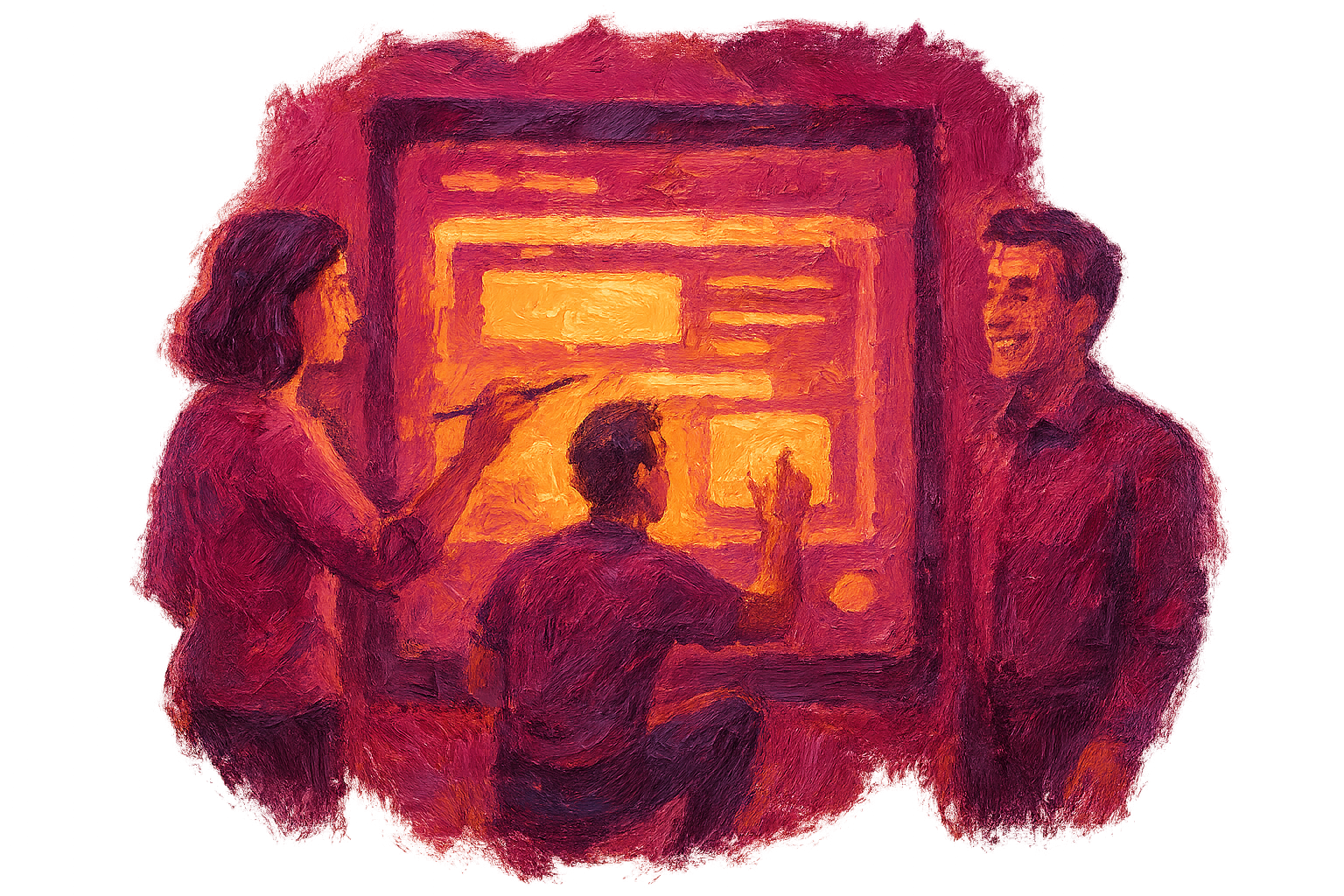





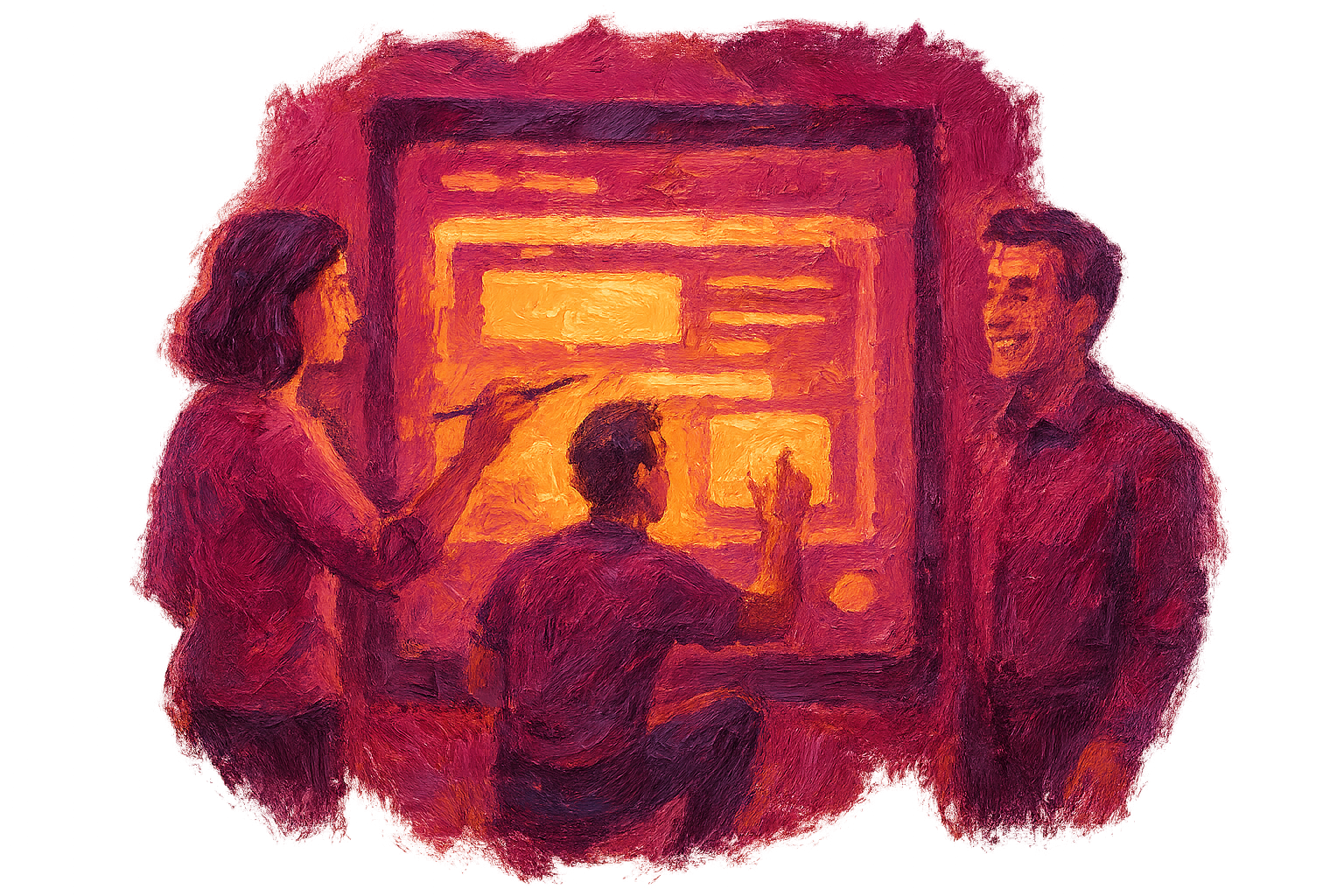
A portfolio page for a photographer not only provides information about the work they have done but also allows potential clients to get to know them and...
The Importance of an Impressive Portfolio Page#
For a photographer, a portfolio page not only provides information about their work but also serves as a crucial showcase to introduce themselves and their talents to potential clients. A well-designed portfolio not only attracts attention with its visual aesthetics but also creates a sense of professionalism and trustworthiness. Additionally, it offers a great opportunity to reflect the photographer's style and skills. Therefore, preparing an impressive portfolio page and taking the right steps to stand out in this highly competitive industry and increase the chances of finding work is vitally important. As Türk Bilişim, we have compiled the elements to consider in this process for you.
Quick Summary
- An impressive portfolio increases customer trust.
- The selection and arrangement of visual content are important.
- The portfolio page should be SEO-friendly.
First Impression of the Portfolio Page#
The first impression of the portfolio page directly affects the time visitors spend on the page and conversion rates. Users make an assessment based on the visual appeal of the page within the first few seconds. Therefore, using a clean design, well-chosen color palettes, and high-quality images is of great importance. To highlight images in a photographer's portfolio, an eye-catching gallery design can be preferred instead of a standard grid layout. Additionally, the page loading speed is also an important factor; because slow-loading pages can cause users to lose interest.
Selection and Arrangement of Visual Content#
Visual content is the lifeblood of a portfolio page. The selected photographs need to be powerful not only technically but also in terms of emotional impact. For example, a wedding photographer should choose photos that best reflect happiness and fleeting emotions. Furthermore, the arrangement of the photos is quite critical; using large-sized images for a striking presentation and leaving a simple background space will prevent distracting visitors and allow the images to take center stage. Providing sufficient variety in the portfolio helps to better showcase the photographer's skills by offering users a broad perspective.
SEO-Friendly Portfolio Page Design#
A portfolio page should be effective not only in terms of visual aesthetics but also in terms of search engine optimization (SEO). For visitors to reach your portfolio page, the page must be SEO-friendly. Proper use of keywords, titles, and meta descriptions helps your page rank higher in search engines. For example, using keywords that specify your photographer's area of expertise in the page title and content will make it easier for your target audience to find you. Additionally, adding alternative text (alt text) for images is very beneficial for SEO.
Engaging with the Target Audience on the Portfolio#
Another important element of the portfolio page is engaging with the target audience. To enable users to interact with your portfolio, you can add a contact form to your page or create social media links. This makes it much easier to communicate with visitors and get information about potential projects. Additionally, integrating social media sharing so users can comment on or share the photos in the portfolio also increases interaction. Such interactions both increase customer satisfaction and help your photos reach wider audiences.
In conclusion, an impressive portfolio page plays a decisive role in a photographer's career. With the effort invested, careful design, and correct strategies, you not only create a visual showcase but also gain the trust of potential clients. As Türk Bilişim, we recommend that you take all the necessary steps to manage this process in the best way and create an impressive portfolio. This way, you can stand out in this highly competitive industry and effectively introduce yourself to potential clients.
Must-Haves#
Essentials that must be included in this work:
Added Value (Bonus)#
Not mandatory but differentiating, optional features:
Türk Bilişim sets up and activates all these elements end-to-end from a single source, tailored to your business.
Pros and Cons#
Advantages
- Attracting users' attention thanks to a visually focused structure
- Increasing visibility in search engines with SEO optimization
- Building a loyal customer base by increasing customer interaction
Points to Consider
- Uploading high-quality images may take a long time
- Managing content that needs constant updating can be challenging
User-Friendly Design Principles#
User-friendly design principles are fundamental rules established to enable users to use a product or service more easily and effectively. These principles hold great importance not only from an aesthetic perspective but also in terms of functionality and usability. It is necessary to consider these principles to meet user needs, enhance their experiences, and facilitate their interactions. A user-friendly design increases the level of satisfaction users feel when interacting with a site or application. Therefore, taking these principles into account throughout the design process benefits both users and businesses.

1. Usability and Accessibility#
Usability refers to how easily a product can be used by users. The design must be simple and understandable so that users do not encounter any difficulties when using a website or application. For example, having a simple menu structure allows users to quickly access the information they are looking for. Accessibility, on the other hand, aims to ensure that all users, especially individuals with disabilities, can access the design. In this context, elements such as screen reader compatibility, color contrast, and keyboard navigation should be considered in websites. A user-friendly design provides an experience that everyone can easily access.
2. Visual Hierarchy and Design Language#
Visual hierarchy determines how elements on a page are ordered and which items attract more attention. Important elements need to be more prominent so that users can digest information more quickly and effectively. For example, writing headings in a larger and bolder font helps users understand which areas are more important when scanning the content. Additionally, using a consistent design language ensures fluidity between pages. Consistency in the color palette, font style, and icons positively affects the user's interaction with the design.
3. Feedback and Error Management#
The feedback users receive after performing an action greatly influences their experience. Clearly expressing positive or negative feedback helps users understand what they did and what steps they need to follow. For example, when a form is submitted, a message like "Your form has been successfully submitted" indicates that the process is complete. Furthermore, error management is also very important. When a user makes a mistake, clearly indicating which step they should follow improves the user experience. Offering ways to help users when they make mistakes causes them to spend more time on the site.
In conclusion, user-friendly design principles play a critical role in improving user experiences. Businesses paying attention to these principles during the design process ensures that users are more satisfied and their interaction with the product or service is increased. Paying attention to these principles when creating your own design will yield beneficial results for both users and your business.
Common Mistakes#
Using low-quality images
Using low-resolution or poor-quality images damages the professional image. Visitors may get a negative impression of the photographer's skills. Always showcase your high-quality and professional shots.
Complex navigation
A complex navigation structure that causes visitors to get lost within the site negatively affects the user experience. Menus being simple and understandable allows users to easily access the information they are looking for.
Hiding contact information
Placing contact information in a hard-to-find location on the site can prevent potential customers from contacting you. Keeping your contact information in a visible place on every page increases customer interaction.
SEO-Friendly Photographer Website Features#
Creating a website for photographers is not just about aesthetic design; it also requires an SEO-friendly structure. SEO (Search Engine Optimization) increases the visibility of your website in search engines, helping you reach potential clients. In this context, specific features for photographer websites enhance user experience while aiding better indexing by search engines. High-quality visuals, correct keywords, and a user-friendly structure are the cornerstones of a successful SEO strategy. In this article, we will explore the important SEO-friendly features that photographer websites should have.
1. High-Quality and Optimized Visuals#
One of the most important elements for a photographer's website is visuals. However, high-resolution images need to be optimized to avoid negatively impacting loading times. Reducing the file size of images improves page load speed, positively contributing to SEO. For example, a photo in JPEG format can have a smaller file size compared to PNG, making it often the preferred choice. Additionally, describing images with alt text helps search engines understand the content of the visual. Alt texts should include keywords and be descriptive.
- Optimizing visuals increases loading speed.
- Alt texts help search engines understand images.
2. Mobile-Friendly Design#
Today, a large portion of users access the internet via mobile devices. Therefore, having a mobile-friendly photographer website is a critical requirement for both user experience and SEO. By using a responsive design, your website displays correctly on all types of devices (smartphones, tablets, desktops). Google prioritizes mobile-friendly sites in search results. A mobile-friendly design not only improves the page's appearance but also increases user interaction rates with the site. A site optimized for mobile users has the potential to boost conversion rates.
3. Fast Loading Times#
Your website's loading time is an important factor that directly affects your SEO performance. Users may quickly leave slow-loading pages, which increases the bounce rate. Since search engines prioritize user experience, they rank sites with high bounce rates lower. To optimize your page's loading time, you can use methods such as removing unnecessary plugins, compressing images, and browser caching. Checking your page speed with testing tools and applying necessary improvements will strengthen your SEO.
4. Keyword Strategy#
Your website's content should be shaped around the keywords you determine. Researching the keywords your target audience uses when searching increases the discoverability of your content. Keywords should be used naturally in titles, image alt texts, and content. For example, a specific phrase like "outdoor wedding photographer" helps you reach potential clients looking for a photographer specialized in that area. Maintaining a balanced keyword density in your content is important to avoid being perceived as spam.
In conclusion, creating an SEO-friendly photographer website is critical for both enhancing user experience and achieving better rankings in search engines. High-quality visuals, mobile-friendly design, fast loading times, and an effective keyword strategy are the cornerstones of this process. By considering these features, optimizing your website will help you reach potential clients and grow your business.
The Importance of Photographer Website Design
A photographer's website is one of the most important tools reflecting their artistic identity. A professional website not only showcases visuals but also tells the brand's story and connects with potential clients.
In today's digital world, an effective website increases a photographer's competitive advantage while improving user experience through the right content and design. Therefore, professional appearance and functionality are critically important for a photographer's success.
Social Media Integration and Ease of Sharing#
Social media has become an indispensable part of digital marketing strategies for businesses today. If a website is not integrated with social media platforms, it may remain limited in reaching potential customers and creating engagement. Social media integration allows users to easily access your social media accounts from your website and encourages the sharing of your content. This increases your business's visibility, boosts brand awareness, and enables you to communicate more effectively with your target audience. At Türk Bilişim, we actively use social media integration in our modern web design projects, strengthening our clients' online presence.
Social Media Icons and Share Buttons#
Having social media icons and share buttons on your website allows users to easily share your content. For example, social media share buttons added at the end of a blog post enable users to quickly share that post on platforms like Facebook, Twitter, or Instagram. This both increases your site traffic and strengthens your social media interactions. However, the visibility and placement of these buttons are important. They should be in a location that users can easily access to increase interaction. Typically, buttons placed at the bottom or top of the content are preferred.
Automated Sharing and Content Calendar#
Automated sharing systems allow you to automatically share content from your website on your social media accounts at specific times. This method helps you reach a wider audience with your content while also saving you time. For instance, when you create a content calendar, you can determine which content will be shared when and automate this process. This ensures your content remains consistently up-to-date. Additionally, using analysis and reporting tools, you can identify which content is shared the most and shape your strategy accordingly.
Engaging with the Target Audience#
Social media integration enables you to interact directly with your target audience. Users can provide feedback, ask questions, or make suggestions to your brand through social media. This interaction increases brand loyalty and enhances customer satisfaction. For example, responding quickly to content shared by users on social media strengthens their loyalty to your brand. At Türk Bilişim, with our social media management strategies, we ensure brands communicate effectively with their users.
In conclusion, social media integration and ease of sharing play a critical role in the success of a website. Allowing users to easily share your content increases your brand's visibility and interaction. Türk Bilişim has the necessary knowledge and experience to manage these processes in the best way possible. Contact Türk Bilişim to get more information about social media integration for your project and learn how you can proceed!
Contact Turkish Informatics#
Get a free discovery and quote from Turkish Informatics' expert team for your project; let's achieve your digital goals together:
- Phone: 0216 755 3 555
- WhatsApp: 0532 216 07 54
- Email: [email protected]
- Web: turkbilisim.com.tr

Bu içeriği nasıl buldunuz?
Reaksiyon vermek için giriş yapmanız gerekiyor.
You Might Also Like






Gallery