







User-friendly design is one of the cornerstones of a website delivering an impressive user experience.
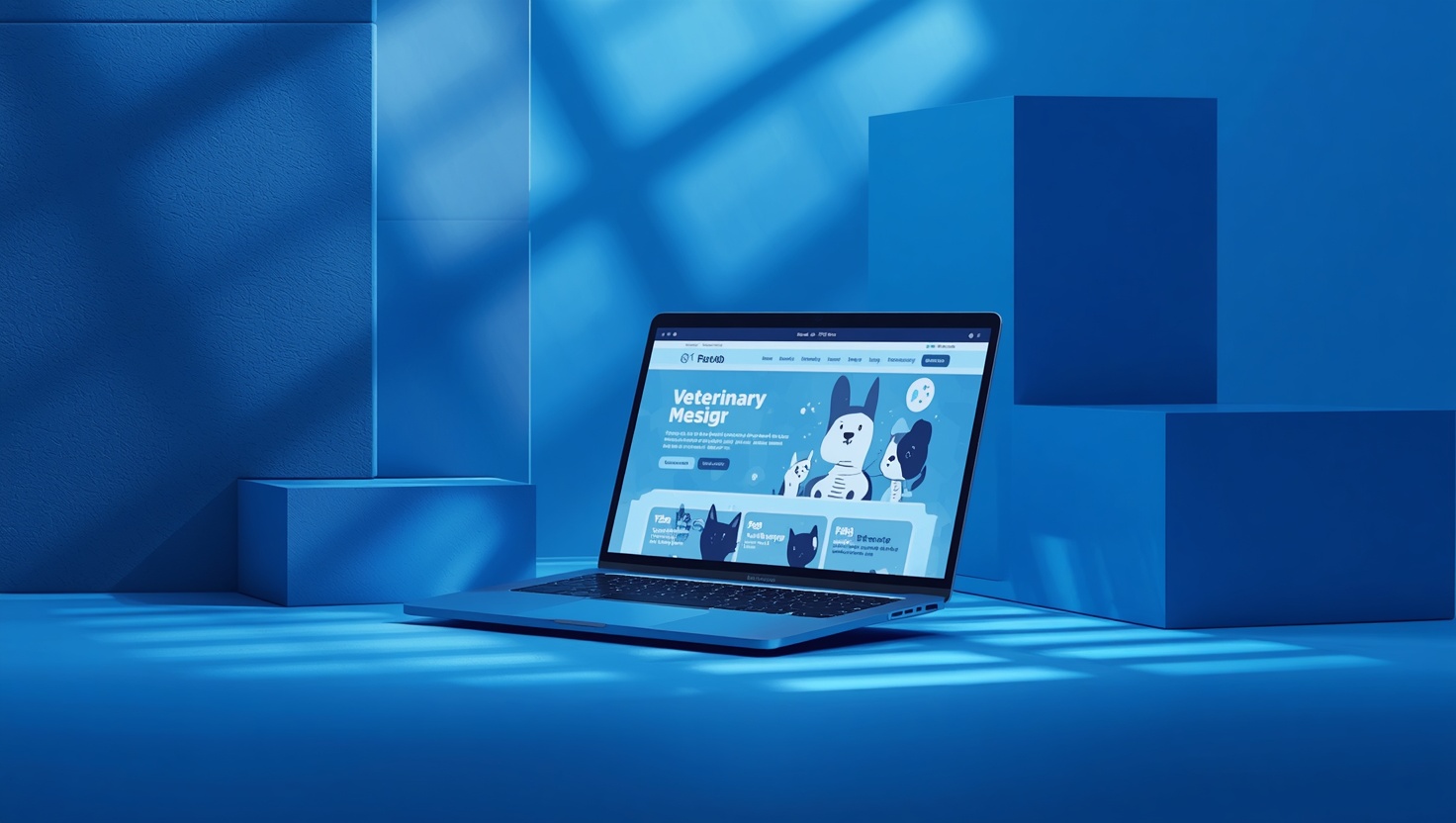
The Importance of User-Friendly Design#
User-friendly design is one of the cornerstones of delivering an impressive user experience on a website. Creating an environment where users feel comfortable, can easily navigate, and quickly access the information they need is one of the most important goals of design. This process not only focuses on an aesthetic appearance but also prioritizes functionality in a way that facilitates users in achieving a specific goal. User-friendly design plays a critical role in increasing conversion rates, ensuring user loyalty, and strengthening the overall brand image. With its expertise in this field, Türk Bilişim prioritizes user experience as a key objective in your projects.
Quick Summary
- User-friendly design improves user experience.
- Effective design increases conversion rates.
- User-friendly design strengthens brand image.
Elements That Improve User Experience#
User-friendly design incorporates many elements that enhance user experience. First and foremost, a simple and clear navigation structure allows users to find the information they are looking for without getting lost on the site. For example, consider an online store; clearly defining product categories and enabling users to easily access these categories greatly simplifies the shopping experience. Additionally, a well-adjusted visual hierarchy on the site makes it easier for users to access information.
- Simple and clear navigation structure
- Proper use of visual hierarchy
- Mobile-friendly design
Feedback Mechanisms and User Interaction#
Creating feedback mechanisms in a user-friendly design increases user interaction. For instance, providing instant feedback to users while filling out a form encourages them to enter correct information. Feedback such as "This field is required" or "Enter a valid email address" makes it easier for the user to complete the form. Similarly, enhancing the clickability of buttons and links further strengthens user interaction.
Accessibility and User Diversity#
User-friendly design must consider accessibility. Offering appropriate design options for users with different abilities ensures that the website is usable by everyone. For example, contrast ratios, font sizes, and the use of alternative text increase the accessibility of visual content. This allows users with visual impairments and those from different age groups to use the site comfortably. Türk Bilişim takes these elements into account in its projects, offering designs aimed at increasing accessibility.
In conclusion, user-friendly design is not merely an aesthetic element; it plays a critical role in improving user experience, increasing conversion rates, and ensuring accessibility. When implemented correctly, user-friendly design both strengthens the brand image and increases users' loyalty to the site. Türk Bilişim produces effective and efficient solutions for your projects by basing them on user-friendly design principles.
Must-Haves#
Essentials that must be included in this work:
Added Value (Bonus)#
Not mandatory but differentiating and optional:
Türk Bilişim sets up all these elements end-to-end from a single source and activates them in a way suitable for your business.
Advantages of Being Mobile-Friendly#
Mobile-friendly websites not only improve user experience but also offer significant advantages to businesses. With the increasing use of mobile devices, users want to access websites from anywhere and at any time. By 2026, 75% of internet traffic is expected to come from mobile devices. In this context, having a mobile-friendly website is not just a preference but a necessity. Mobile-friendly sites enhance customer satisfaction by providing a better user experience, improve SEO rankings, and ultimately boost conversion rates. Therefore, understanding the advantages of being mobile-friendly is crucial for strengthening your digital presence.

Enhancing User Experience#
A mobile-friendly website provides an optimized experience based on users' devices. For example, large buttons and readable text allow mobile users to navigate between pages easily. Mobile users often face time constraints or distractions. Therefore, when a user opens a page on a mobile device, it is critical for the content to load quickly and be easily accessible. Otherwise, users may immediately close the page and switch to another website, causing businesses to lose potential customers.
- Provides a fast and seamless experience.
- Optimized according to the needs of mobile users.
Improving SEO Rankings#
Mobile-friendly sites have a structure preferred by search engines. Search engines like Google prioritize mobile-friendly websites, displaying them higher in search results. As of 2026, due to Google's mobile-first indexing policy, sites that are not mobile-friendly may experience significant drops in rankings. Therefore, having a mobile-friendly website improves both user experience and SEO performance. A site that is not mobile-friendly can cause you to lose potential visitors and negatively impact your commercial success.
Customized Content and Targeting#
Mobile-friendly websites allow businesses to better understand user needs and offer them tailored content. Since searches made from mobile devices are often aimed at local and specific information, businesses need to produce such content. For example, easily finding a restaurant's menu and location through its mobile website is a major advantage for users. Mobile-friendly sites increase customer satisfaction by delivering customized information faster and more effectively according to user needs.
In conclusion, the advantages of a mobile-friendly website are endless. Benefits such as enhancing user experience, improving SEO rankings, and offering customized content help businesses strengthen their digital presence. A mobile-friendly web design is not only a modern necessity but also the best way to take a step in line with user expectations. With expert teams like Türk Bilişim, you can create a mobile-friendly web design and take your business one step ahead in the digital world.
Pros and Cons#
Advantages
- Increases customer satisfaction: Thanks to a user-friendly design and appointment system, customers feel more satisfied.
- Greater visibility: Through blog and SEO efforts, the website ranks higher in search engines.
- Time savings: Online appointment and consultation services save time for both the veterinarian and the customer.
Points to Consider
- High initial cost: The initial investment required to create a good website can be high.
- Need for updates: Content must be regularly updated; otherwise, the information loses its validity.
Speed and Performance: Why Is It Critical for a Veterinary Website?#
Veterinary websites are an important source of information for both pet owners and veterinarians. Speed and performance are two critical factors that directly impact user experience. The time users spend on your site depends on page load speed; a slow-loading site can cause potential customers to leave. As of 2026, 53% of users abandon websites that take longer than 3 seconds to load. A fast and effective veterinary website not only increases user satisfaction by delivering information quickly but also supports search engine optimization (SEO). Therefore, optimizing your veterinary clinic's website speed gives you a competitive edge.
Page Load Speed and User Experience#
Page load speed is one of the most important elements affecting the time users spend on your website. Users can become impatient while waiting for a page to load; thus, user experience significantly improves when page load time is less than 2 seconds. For example, a fast-loading homepage increases the likelihood of visitors navigating to other pages. Otherwise, even with high-speed internet connections, users tend to have a poor experience and leave the site. Therefore, using lightweight images, removing unnecessary plugins, and implementing caching techniques are highly effective for increasing site speed.
- Image optimization: Using compressed files instead of high-resolution images.
- Caching: Caching frequently visited pages can significantly reduce load time.
Ease of Access to Research and Information#
Fast loading of your veterinary website also facilitates users' access to the information they are looking for. Pet owners often face emergencies and need quick access to information. When your veterinary clinic's website provides information about diseases, treatment methods, or emergency contact numbers, fast loading ensures users reach the needed information in a short time. For instance, if a dog owner is urgently seeking information about their pet's health condition, a fast load time allows them to access the necessary information more quickly. Otherwise, time is lost, which can endanger the animal's health and lead to user dissatisfaction.
SEO and Competitive Advantage#
Speed is also critically important for SEO strategies. Search engines rank sites that enhance user experience and load quickly higher. Google uses page load speed as a ranking factor; therefore, your website's speed directly affects its visibility. A fast website ranks higher in search results, increasing the chance of reaching potential customers. Additionally, by optimizing speed, you gain an advantage over your competitors. For example, if your competitors' websites are slow, having a faster site can help users prefer and stay loyal to you.
In conclusion, optimizing the speed and performance of your veterinary website not only improves user experience but also makes you more visible to search engines. Quick access to the information users need is of great importance for animal health. Therefore, speed and performance play a critical role in the success of your veterinary website.
Common Mistakes#
Insufficient content
Lack of sufficient information and content on the website causes visitors to lose interest. A good veterinary website should offer informative content about animal health in addition to services.
Complex navigation
A complex menu structure that makes it difficult for visitors to find the information they are looking for negatively impacts user experience. A simple and clear navigation structure allows visitors to use the site more effectively.
Mobile incompatibility
A website not being compatible with mobile devices makes it difficult for users to access the site. Since many users today access the internet via mobile devices, responsive design is a must.
Content Management Systems and Updates#
Content Management Systems (CMS) are fundamental tools that simplify content creation and management processes in the digital world. Thanks to their user-friendly interfaces, these systems make content creation and updating accessible for both technically skilled and non-technical individuals. However, regular updates are vital for the effective use of content management systems. These updates not only close security vulnerabilities but also increase system efficiency by adding new features. In this section, we will focus on content management system updates, their types, advantages, and common mistakes.

Types of Updates in Content Management Systems#
Content management systems generally have two main types of updates: security updates and feature updates. Security updates are changes made to enhance the system's security. For example, when a security vulnerability is detected in a CMS, the manufacturer releases a quick update to protect user data. Feature updates, on the other hand, add new tools and features to increase the functionality of the existing system. For instance, adding new metrics for SEO optimization or interface changes that improve user experience fall into this category.
- Security Updates: Protect user data and increase the system's resilience against attacks.
- Feature Updates: Add new functions and enhance user experience.
Advantages of Updates#
Regular updates significantly improve the performance of a content management system. Updates ensure a better user experience and minimize performance issues. For example, an up-to-date CMS operates with faster loading times and fewer errors. This increases user satisfaction and positively impacts search engine rankings. Additionally, adding new features through updates allows for better responses to user needs.
Common Mistakes and Solutions#
Many users often make mistakes during content management system updates. The most common mistake is not performing updates or delaying them. This can put the system's security at risk. Another mistake is not testing the system after applying updates. Going live without checking whether the system works correctly after updates can lead to major issues. Therefore, it is essential to back up the system and test its functionality before and after every update.
Tips for Managing Updates#
To effectively manage content management system updates, certain tips should be considered. First, automating updates saves time and reduces the risk of missing updates. Second, it is recommended to regularly check for updates and ensure they are applied within a specific timeframe. Third, checking the system status immediately after applying updates helps identify potential issues. These steps ensure the healthy operation of the content management system and increase user satisfaction in the long run.
In conclusion, content management systems are indispensable tools for content production and management. However, the effectiveness of these systems should be enhanced through regular updates. Updates both ensure security and improve user experience. With the right approach and regular maintenance, the potential of content management systems can be fully utilized.
The Importance of Veterinary Website Design
Veterinary website design is the digital face of the business, and making a professional impression is critically important.
A user-friendly interface and effective content management both increase customer satisfaction and strengthen the business's reputation. Veterinarians must build a strong online presence to reach potential clients.
SEO-Friendly Content and Visual Usage#
SEO-friendly content and visual usage are among the cornerstones of your digital marketing strategy. Using the right content and visual combinations is crucial to rank high in search engines and capture users' attention. In this section, we will delve into the details of creating SEO-friendly content and using visuals. Topics such as keyword analysis, content optimization, and the role of visuals are among the most important factors affecting search engine rankings. As Türk Bilişim, we help you achieve the most effective results by combining these elements.
Keyword Research and Usage#
Keyword research is the first step in writing SEO-friendly content. Identifying the right keywords allows you to understand the search behavior of your target audience. Tools like Google Keyword Planner show which words are frequently searched for and form the foundation of your content strategy. Using keywords naturally within your content enhances user experience and is better evaluated by search engines. For example, when you use a specific keyword like "veterinary website features," you can achieve higher rankings in search results by producing content related to that keyword.
- Use keywords in headings and subheadings.
- Distribute keywords naturally throughout the content, avoiding overuse.
- Target long-tail keywords to reach a more specific audience.
Creating Quality and Informative Content#
SEO-friendly content is not just about using keywords; it must also be high-quality and user-friendly. Creating content that answers users' questions, provides information, and is engaging is at the heart of your SEO strategy. Content length, typically 100 words or more, is often preferred by search engines. Additionally, adding examples, real-life cases, or statistics to your content increases reader interest. For instance, if you address the topic "5 essential features for a veterinary website," you can capture the reader's attention by explaining each feature with real-world examples.
The Importance of Visual Usage#
Visuals play a critical role in SEO-friendly content. Ensuring that the visuals used are high-quality and relevant improves your page's user experience and helps search engines better evaluate your page. Filling in the alt text of images allows search engines to understand them. For example, when you upload an image of a "veterinary clinic," writing the alt text as "Open-air veterinary clinic" makes the image more visible to search engines. Simultaneously, optimizing image sizes increases your page speed, which is important for SEO.
In conclusion, SEO-friendly content and visual usage are critically important for an effective digital marketing strategy. As Türk Bilişim, we support you with our expert team in optimizing your content and using appropriate visuals. Determining the right keywords, producing quality content, and ensuring proper visual usage will increase your visibility in search engines. If you are looking for professional support to manage these processes effectively, you can contact Türk Bilişim to get the best solutions for your project.
Contact Turkish Informatics#
Get a free discovery and quote from Turkish Informatics' expert team for your project; let's achieve your digital goals together:
- Phone: 0216 755 3 555
- WhatsApp: 0532 216 07 54
- Email: [email protected]
- Web: turkbilisim.com.tr
Bu içeriği nasıl buldunuz?
Reaksiyon vermek için giriş yapmanız gerekiyor.
You Might Also Like





Gallery