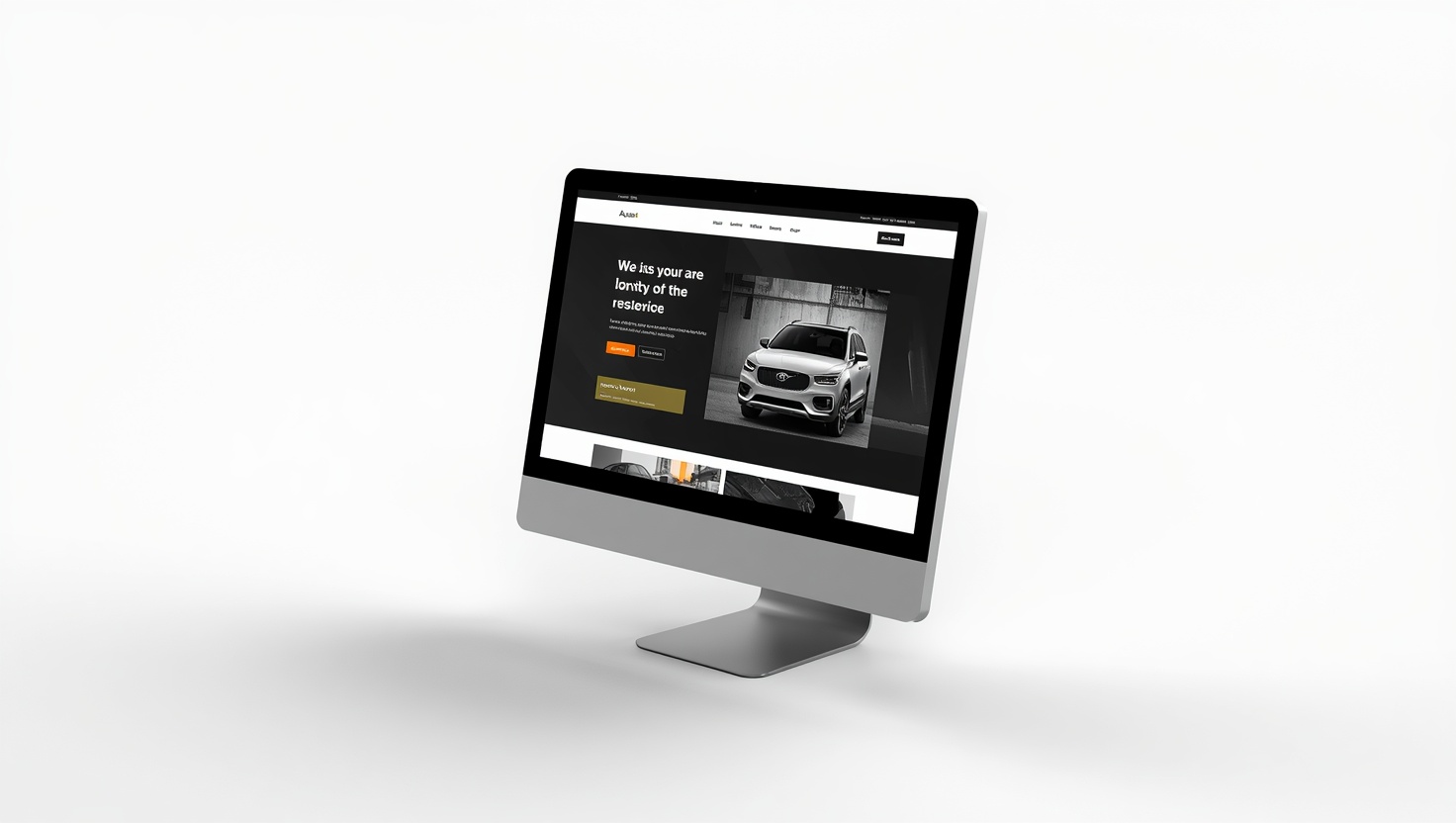







Today, a website for auto repair shops not only provides information but also strengthens customer relationships and makes services more...

Core Features of an Auto Service Website#
Today, a website for auto services is not just a tool for providing information, but also a means to strengthen customer relationships and make services more accessible. A well-designed auto service website should be equipped with a user-friendly interface, effective content management, and a strong marketing strategy. In this article, we will examine in detail the essential features that auto service websites must have. Each of these features is crucial for informing your customers, ensuring reliability, and staying ahead of the competition. As Türk Bilişim, we ensure this process is managed correctly.
Quick Summary
- Auto service websites should have a user-friendly interface.
- Mobile compatibility stands out as an indispensable feature today.
- Contact forms and appointment systems increase customer interaction.
User-Friendly Interface#
One of the most important features of auto service websites is having a user-friendly interface. Visitors should be able to quickly access the information they are looking for. Therefore, the site's navigation should be simple and understandable. For example, sections like services, contact, and frequently asked questions should be clearly indicated on the homepage. Additionally, adding a search bar to prevent users from getting lost on the website will be beneficial. A user-friendly interface can increase conversion rates and boost customer satisfaction.
- Simple and understandable menu structure
- Search bar providing quick access
- Clear and concise information presentation
Mobile Compatibility#
As of 2026, a large portion of internet traffic comes from mobile devices. Therefore, it is mandatory for auto service websites to be mobile-compatible. Mobile-friendly design allows visitors to comfortably use your site on different devices such as smartphones or tablets. Using responsive design optimizes the site for every screen and enhances the user experience. For example, if a customer wants to get information about car problems while traveling, they can easily access this information thanks to a mobile-compatible site.
Effective Communication Tools#
Effective use of communication tools on an auto service website increases customer interaction. Features like contact forms, appointment systems, and live support allow customers to get quick answers to their questions. For instance, when a user wants to book an appointment, they can easily do so using the online appointment system. Such interactions not only increase customer satisfaction but also strengthen your business's professional image.
Strong Content Management#
Content for your auto service website helps attract visitors' attention while also helping you achieve better rankings in search engines. Blog posts, service descriptions, and a frequently asked questions section allow users to gain information and increase their trust in your brand. For example, a regularly updated blog can encourage users to visit your website repeatedly. As Türk Bilişim, we help manage your content strategy effectively.
In conclusion, an auto service website, when designed correctly, can make significant contributions to the growth of your business. A site equipped with a user-friendly interface, mobile compatibility, effective communication tools, and strong content management will both increase customer satisfaction and help you stand out from the competition. Türk Bilişim is with you in this process with its expert team.
Must-Haves#
These are the essentials that must be included:
Added Value (Bonus)#
Not mandatory, but differentiating and optional features:
Türk Bilişim sets up all these elements end-to-end from a single source and activates them in a way suitable for your business.
Pros and Cons#
Advantages
- Increases customer satisfaction: A user-friendly site improves the customer experience.
- Greater visibility: Achieves top rankings in search engines with good SEO work.
- Competitive advantage: A modern and functional website helps you stand out from competitors.
Points to Consider
- High initial cost: Professional web design can bring high costs initially.
- Need for maintenance and updates: The website needs to be kept constantly updated.
Ways to Improve User Experience#
User experience (UX) determines the interaction between a user and a product or service, as well as the level of satisfaction during this interaction. To ensure a good user experience, many factors such as design, content, accessibility, and performance must be considered. Understanding users' needs and producing solutions tailored to these needs is the key to creating a successful digital presence. In this section, we will provide concrete examples and applicable strategies on ways to improve user experience.

Understand Your Target Audience#
The first step in user experience design is to thoroughly understand your target audience. Having in-depth knowledge about who the users are, their needs, and expectations shapes your design and content strategies. For example, on an e-commerce site, social media integration may be a priority for young users, while a simpler and more understandable interface may take precedence for older users. User surveys, focus groups, and analytical data can help in this regard.
- Collect feedback through user surveys.
- Monitor user behavior with web analytics tools.
Ensure Content and Design Alignment#
The success of a website depends on the harmony between content and design. Users want to access information quickly and easily. Therefore, you should present your content in an organized and understandable manner. For instance, allowing users to reach the information they need with one or two clicks positively impacts their experience. Additionally, using a clean design and a cohesive color palette encourages users to stay on the site longer.
Mobile-Friendly Design#
The use of mobile devices is increasing day by day. Therefore, it is essential for your website to be mobile-friendly. Responsive design is critically important for meeting the needs of users accessing from mobile devices. Mobile-friendly designs reduce page load times and enhance user experience. According to research, a mobile-friendly website increases user satisfaction by 67%.
The steps you take to improve user experience will increase both user satisfaction and conversion rates. Knowing your target audience, aligning content and design, and providing a mobile-friendly interface are the cornerstones of this process. Implementing these strategies will help you build a strong connection with your users and offer an experience that brings them back.
Common Mistakes#
Insufficient content
The lack of adequate information and content on a website undermines visitors' trust. Customers want detailed information about services. Therefore, comprehensive descriptions should be provided for each service.
Poor mobile compatibility
A website that is not mobile-friendly causes you to lose traffic from mobile devices. Today, many users access the internet via their phones. Therefore, it is critical for the site to be compatible with mobile devices.
Complex navigation
A complex menu structure that makes it difficult for visitors to find the information they are looking for negatively impacts user experience. Creating a simple and intuitive navigation structure helps visitors spend more time on the site.
SEO-Friendly Content Strategies#
SEO-friendly content strategies are important for achieving better rankings in search engines and reaching the target audience. These strategies include not only keyword usage but also content quality, user experience, and engagement. During the content development phase, understanding the needs and search intent of your target audience plays a critical role. This way, you can create content that attracts the attention of search engines and captures the interest of users. Since SEO is a constantly evolving field, it is important to keep these strategies up to date and continuously improve them. Here are some key elements to consider for SEO-friendly content strategies.

Keyword Research#
Keyword research is one of the cornerstones of an SEO-friendly content strategy. Understanding which terms your target audience is searching for is essential for creating the right content. When determining keywords, you should consider the search intent of users. For example, if you are targeting a keyword like "best auto repair shops," you should include information directed at this term in the content, as well as details that meet user expectations. It is very important to use natural language to avoid overdoing keyword density and disrupting the flow of the content.
- You can achieve more specific search results by using long-tail keywords.
- By conducting competitive analysis, you can see which words stand out in your industry.
Content Quality and User Experience#
Content quality affects the time users spend on your site and their engagement. High-quality content should be informative, engaging, and responsive to user needs. For example, for an auto repair shop website, creating a detailed guide about 'auto repair maintenance' allows users to find the information they are looking for and also increases the authority of your site. To improve user experience, it is necessary to optimize page load speed and pay attention to mobile compatibility. Ensuring that users spend more time on your site provides a significant SEO advantage.
Use of Visuals and Media#
Visual and media content are valuable additions to texts. Using images, videos, and infographics alongside static text makes your content more appealing. For instance, adding a video showing service processes on an auto repair shop's website captures users' attention and helps them learn more information. Supporting visual content with alt tags allows search engines to understand this media and contributes to SEO. Additionally, you should optimize the sizes of the images you upload to increase page speed.
Link Structure and Content Distribution#
Establishing internal links that support your content helps you get crawled better by search engines. For example, in a blog post, you can strengthen your site's internal structure by linking to related articles you have previously written. External links are also important; referencing reliable sources increases the credibility of your content. Furthermore, you should share your content on social media and other platforms to reach a wider audience. This increases user engagement and positively contributes to your SEO performance.
In conclusion, SEO-friendly content strategies are critically important for increasing visibility in search engines and improving user experience. By carefully planning elements such as keyword research, content quality, visual usage, and link structure, you can create an effective SEO strategy. Remember, SEO is an ongoing process, and you must continuously update your content to improve it. This way, you can become a preferred resource for both search engines and users.
Effective Website Strategy for Auto Repair Shops
An effective website for auto repair shops should not only provide information but also offer features that increase customer interaction. A user-friendly interface and functional design allow customers to visit the site more frequently and benefit from the services.
Additionally, up-to-date content and an effective SEO strategy can increase the website's visibility, attracting more potential customers. Social proof elements such as customer reviews and success stories enhance credibility and reinforce customer loyalty.
The Importance of Mobile Compatibility and Speed#
As the use of mobile devices increases every day, the mobile compatibility and fast loading times of websites have become crucial elements that directly impact user experience. According to research, the rate of internet access from mobile devices is over 50%. This means that the success of a web design depends on the experience users have when accessing it from mobile devices. A mobile-friendly site is more effective in meeting users' needs, while a fast-loading site increases the time visitors spend on the site. As Türk Bilişim, we place special emphasis on these elements in our web projects and prioritize mobile compatibility as a key goal.
Advantages of Mobile Compatibility#
The importance of mobile compatibility not only enhances user experience but also provides a significant advantage in terms of SEO (search engine optimization). Google tends to rank mobile-friendly sites higher in search results. Therefore, if you are a business owner, having a mobile-friendly web design is one of the most effective ways to reach your potential customers.
- Search Engine Ranking: Mobile-friendly sites rank higher on Google.
- User Experience: It allows users to navigate the site more comfortably during visits from mobile devices.
The Role of Speed in User Experience#
The fast loading of your website directly affects the time users spend on the site. According to research, when a web page's loading time exceeds 3 seconds, 40% of users abandon the page. This can lead to significant losses, especially in competitive sectors. A fast-loading site not only satisfies users but also increases conversion rates. As Türk Bilişim, we use the latest technologies and methods to optimize the performance of our projects.
Best Practices for Mobile-Friendly and Fast Websites#
There are some fundamental practices to consider when designing a mobile-friendly and fast website. For example, using responsive design is a critical step to provide the best experience for mobile users. Additionally, optimizing image and file sizes will significantly reduce page loading times. Below, you can find important points to consider for creating a mobile-friendly and fast site:
- Responsive Design: Ensures the site design is compatible with all devices.
- Optimized Images: Reducing image sizes speeds up loading time.
- Minimalist Design: Optimizes loading time by reducing unnecessary elements.
In conclusion, mobile compatibility and speed are critical elements for the success of websites in today's digital world. Meeting user expectations and providing them with the best experience is extremely important for the sustainability of a website. As Türk Bilişim, we consider these elements in every project and work meticulously at every step to achieve the best results. If you also want to make your website mobile-friendly and fast, contact the expert team at Türk Bilişim and get a free assessment for your project!
Contact Turkish Informatics#
Get a free discovery and quote from the expert team of Turkish Informatics for your project; let's achieve your digital goals together:
- Phone: 0216 755 3 555
- WhatsApp: 0532 216 07 54
- Email: [email protected]
- Web: turkbilisim.com.tr
Bu içeriği nasıl buldunuz?
Reaksiyon vermek için giriş yapmanız gerekiyor.
You Might Also Like






Gallery