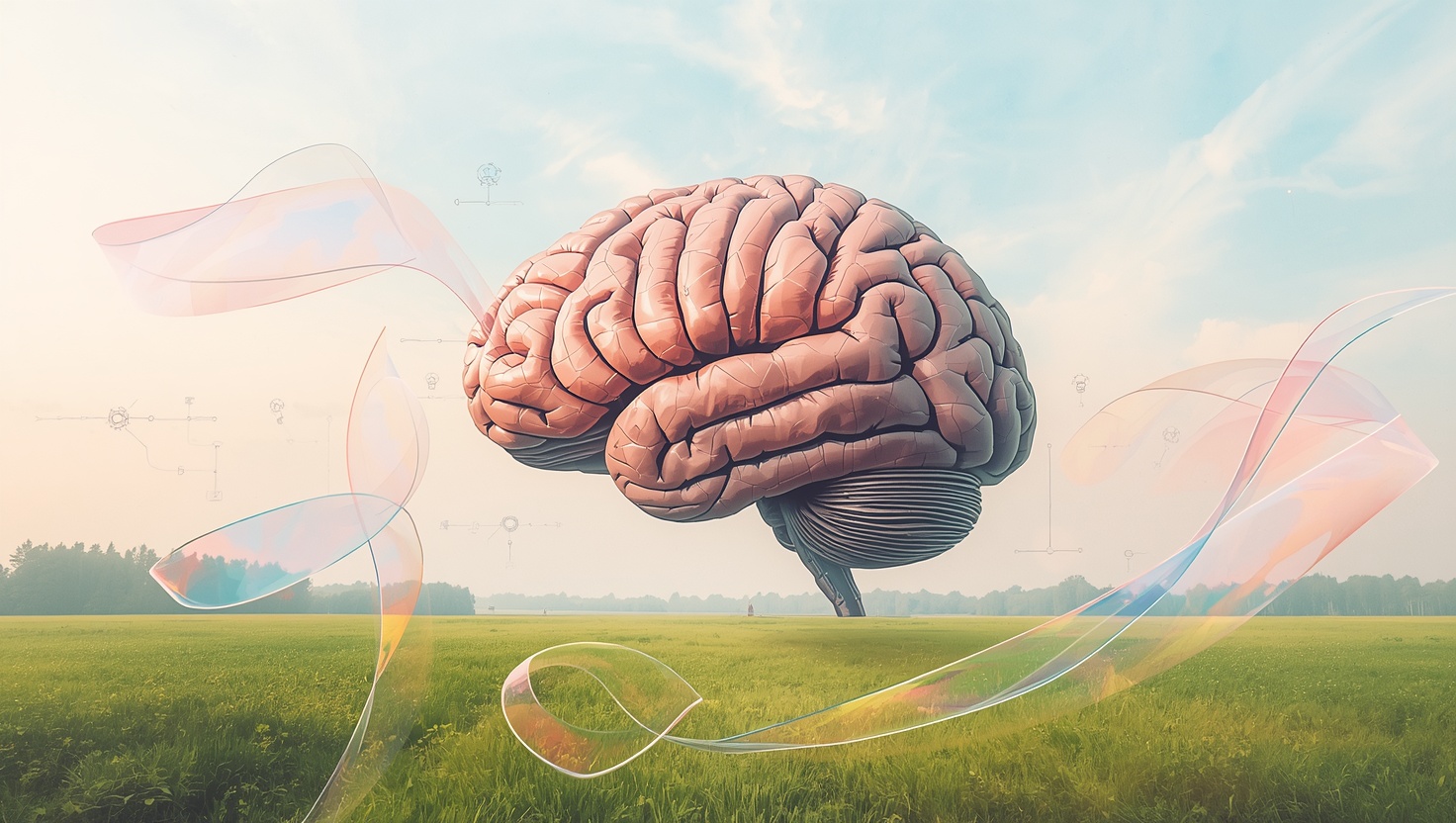





AI hallucination refers to a situation where an artificial intelligence system generates false or misleading information.
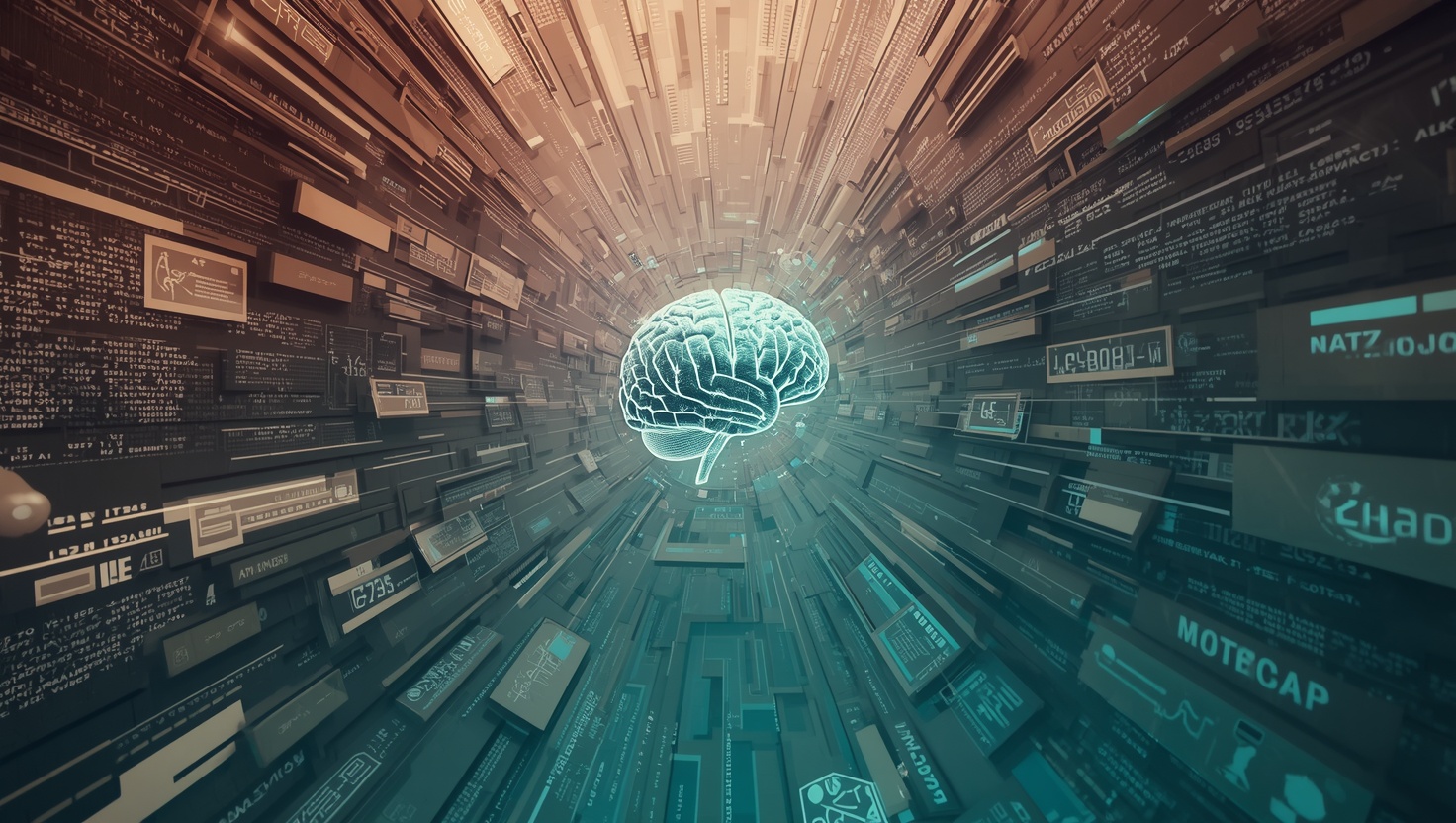
Definition and Characteristics of AI Hallucinations#
AI hallucination refers to a situation where an artificial intelligence system produces unreal or misleading information. Such situations typically arise due to deficiencies or erroneous inferences in the model's training data. For example, a language model may present information in a wrong context or make logical errors when answering user questions. Since AI systems are considered to have human-like thinking abilities, these hallucinations have the potential to mislead users. This can cause problems, especially in critical sectors such as healthcare, finance, and automotive. Therefore, AI hallucinations are not just a technical issue but also a significant matter concerning user safety and accurate understanding of information.
Quick Summary
- AI hallucination is the production of misleading information by AI systems.
- Deficiencies in the model's training data lead to hallucinations.
- In critical sectors, this situation can have serious consequences.
Causes of AI Hallucinations#
Among the causes of AI hallucinations, the most important factor is the quality of the training data. If an AI system is not trained with sufficient and accurate data, the results produced by the model may not align with reality. For instance, if a language model is trained only with adequate data in a specific language or topic, it may make errors when responding in another language or about a different subject. The imbalance and bias in the training data are also contributing factors. For example, if a visual recognition model is trained with a dataset that is not sufficiently diverse, it may fail to recognize or distinguish certain objects.
Symptoms of AI Hallucinations#
There are several distinct symptoms of AI hallucinations. These symptoms can vary depending on how the system responds and under what circumstances it produces misleading information. For example, logical inconsistencies in the answer given to a user's question indicate that the system is experiencing hallucinations. Additionally, responses containing misleading, exaggerated, or factually inconsistent information can be a symptom of hallucinations. When users question the accuracy of the system's responses and encounter such information, they can understand that hallucinations exist.
Effects on Users#
AI hallucinations can have various effects on users. They can damage user trust and reduce confidence in the information provided by the system. For example, if a health application suggests an incorrect diagnosis in its response, this can have serious consequences for the user. Furthermore, users striving to access accurate information may experience disappointment when faced with misdirection or misleading information. This situation may lead users to adopt a more cautious approach towards AI systems. Therefore, AI hallucinations are not just a technical issue but also a matter that needs to be considered from ethical and security perspectives.
In conclusion, AI hallucinations are just one of the challenges brought by developing technology. As Türk Bilişim, we consider it of great importance to carefully select training data and ensure continuous updates of AI systems to prevent such situations. Additionally, we believe that users should be careful when using AI systems and question the information they receive. You can contact Türk Bilişim for more information and consultancy regarding AI hallucinations.
Must-Haves#
Essentials that must be present in this work:
Bonus (Added Value)#
Not mandatory but differentiating and optional elements:
Türk Bilişim installs all these elements from a single source, end-to-end, and puts them into operation in a way suitable for your business.
Pros and Cons#
Advantages
- AI hallucinations can offer new opportunities in creative content generation.
- This situation can encourage users to question more and engage in critical thinking.
- For developers, understanding and correcting these errors can improve the overall quality of the system.
Points to Consider
- Users may experience loss of trust when faced with misleading information.
- AI hallucinations can cause the spread of false information.
- Such errors can raise questions about the reliability of AI systems.
Causes and Mechanisms of AI Hallucinations#
AI hallucinations refer to situations where artificial intelligence systems produce misleading, false, or information that does not align with reality. These hallucinations can undermine user trust and negatively impact system functionality and data reliability. Generally, these issues stem from the complex nature of AI algorithms, the quality of training data, and the system's learning processes. In this section, we will examine in detail the causes and underlying mechanisms of AI hallucinations. We will focus on the nature of hallucinations, their effects on users, and methods to combat them.

Quality of Training Data#
Training data forms the foundation of the learning process for AI systems. If this data is incomplete, misleading, or erroneous, AI systems may produce deceptive results. For example, if a language model is trained only on sufficient data in a specific language or on a particular topic, it might use incorrect patterns or terms in a different context. The diversity and quality of training data are two critical factors that directly impact the accuracy of AI systems. Therefore, data sets must be meticulously prepared and diversified.
Model Complexity#
The complexity of AI models plays a significant role in the emergence of hallucinations. More complex models contain more parameters, which increases the difficulty of the learning process. For instance, a multi-layered artificial neural network may misdirect or become overly sensitive to certain data. This can lead to issues such as overfitting or underfitting during the model's training process. Consequently, it is important to determine training strategies appropriate to the model's complexity.
Algorithm Structure and Operating Mechanism#
The structure of AI algorithms influences the occurrence of hallucinations. For example, some algorithms use statistical methods to identify patterns within data. These methods can sometimes yield misleading results. Additionally, certain algorithms may overgeneralize to achieve a specific goal. Such errors lead users to receive incorrect information when interacting with AI. Therefore, careful algorithm selection and focusing on methods that minimize errors are necessary.
In conclusion, AI hallucinations are a complex phenomenon arising from training data, model complexity, and algorithm structure. Hence, a careful approach must be adopted during the development and training of AI systems. Methods used to prevent hallucinations typically consider these three factors. For instance, diversifying data sets, optimizing model design, and carefully selecting algorithms are critical in reducing the effects of hallucinations.
Common Mistakes#
Misinterpretation
AI systems can sometimes misinterpret context, leading to erroneous results. This causes users to access incorrect information. The correct approach is to provide more data to help the model better understand the context.
Data Quality Issues
If training data is not sufficiently high-quality or diverse, AI hallucinations can occur. This leads the model to produce incorrect results in real-world scenarios. The solution is to diversify data sets and improve their quality.
Overconfidence
Users may place excessive trust in the output of AI systems, leading to poor decision-making. This can be overcome by remembering that the information provided by AI is not always accurate.
Effects and Consequences of AI Hallucinations#
AI hallucinations refer to instances where machines present unrealistic or misleading information. This is a critical topic for deeply understanding the effects and consequences of AI applications on users. Particularly with advancements in natural language processing, users expect texts generated by AI to reflect reality. However, failure to meet this expectation can negatively impact user experience. Hallucinations can affect individuals' decision-making processes and complicate business workflows. In this section, we will focus on the effects and consequences caused by AI hallucinations.

Impact of Misleading Information on Users#
AI hallucinations can cause significant issues in users' access to information. For example, an AI application in healthcare might misinterpret disease symptoms, leading users to pursue incorrect treatment methods. Such a misunderstanding can worsen health problems and create psychological effects. Users may experience anxiety and uncertainty due to misleading information received from a system they trust. These situations question the reliability of AI systems and undermine users' trust in them.
- Incorrect health information can negatively affect patients' treatment processes.
- Misleading information on financial decisions can lead to major financial losses.
Complexity in Business Processes#
AI hallucinations can also produce complex outcomes in business processes. For instance, a customer service chatbot might incorrectly resolve user issues or provide misleading information. This reduces customer satisfaction and decreases workforce efficiency. Users may be repeatedly redirected to support lines due to erroneous information, causing a waste of business resources. In managing processes, additional human oversight may be required to minimize AI's error margin, which can increase operational costs for the business.
Ethical Issues and User Trust#
AI hallucinations also bring ethical issues. Users may develop distrust toward AI systems if they reflect human errors. Especially on social media and news platforms, the use of AI-generated content for misinformation purposes leads to serious ethical problems. Such situations not only question the impact of AI applications on society but can also erode users' trust in these technologies. To regain user trust, principles of transparency and accountability must be prioritized.
In conclusion, the effects and consequences of AI hallucinations can have significant outcomes for both individuals and businesses. Users encountering misleading information can lead to a loss of trust not only in the short term but also in the long term. Therefore, developers of AI systems should continuously review their algorithms and data sets to minimize such issues and aim to enhance user experience. To maximize the potential benefits of AI applications, rebuilding user trust and establishing ethical standards are critically important.
Importance of AI Hallucinations
AI hallucinations are one of the biggest challenges of AI applications today.
This situation requires a careful approach to prevent users from being exposed to misleading information. In the development of AI systems, understanding and minimizing these hallucinations is critical for creating reliable and effective applications.
Current Research and Developments on Artificial Intelligence Hallucinations#
Artificial intelligence hallucinations are a complex issue encountered in many sectors today. This situation leads AI systems to produce erroneous and distorted data instead of generating accurate information. Research shows that this is not only a technical challenge but also a serious problem affecting user experience. In recent years, new developments have been recorded regarding the causes, effects, and prevention methods of these hallucinations. AI hallucinations undermine user trust, which can hinder the widespread adoption of AI applications. This article will address the current research and developments on AI hallucinations.
Current Research on AI Hallucinations#
Research on AI hallucinations is intensifying to better understand the underlying mechanisms of this problem. Researchers have revealed that the quality of data used during the training of machine learning models directly affects the frequency and type of hallucinations. For example, a model trained with low-quality data can produce incorrect or misleading outputs. This is frequently observed, especially in applications using deep learning techniques. Additionally, errors occurring in the "learning" processes of AI systems can trigger hallucinations.
- Improving data quality: High-quality datasets should be used for more accurate and reliable results.
- Model optimization: Model parameters need to be carefully adjusted to reduce hallucinations.
Effects of Hallucinations on Users#
The effects of AI hallucinations on user experience are quite significant. Especially in critical sectors such as healthcare, automotive, and finance, incorrect information can lead to serious consequences. For instance, when a health application provides a wrong diagnosis to a patient, it both shakes user trust and can cause health issues. AI hallucinations reduce users' trust in these systems, ultimately hindering the adoption of AI technologies. Research shows that most users do not trust the information provided by AI and stop using the systems when they encounter incorrect data. In this context, reliability and accuracy are critically important for the success of AI applications.
Methods for Combating AI Hallucinations#
Various methods have been developed to combat AI hallucinations. These methods span a wide range, covering both model design and data management. For example, "data augmentation" can be used during model training to create a more diverse and balanced dataset. Additionally, "ensemble" methods are used to reduce the effects of hallucinations; this method allows multiple models to work together to produce more reliable results. There are also certain points that users should pay attention to when interacting with AI applications. Users should be provided with guidance to check the accuracy of AI outputs.
Future Research and Precautions#
Future research to prevent AI hallucinations will focus on more sophisticated algorithms and model designs. Furthermore, advanced training programs and guidance systems will be developed to make user interactions with AI systems safer. Researchers aim to work on more comprehensive and diverse datasets to reduce the frequency of hallucinations. In addition, studies are being conducted on legal regulations to protect public health and safety. Such measures will contribute to making AI systems more reliable.
In summary, AI hallucinations are a current problem, and effective methods need to be developed to address this issue. As Türk Bilişim, we closely follow developments in this field and strive to minimize these problems with our AI solutions. Contributing to studies aimed at increasing reliability in AI applications is critically important for both sector stakeholders and users.
Bu içeriği nasıl buldunuz?
Reaksiyon vermek için giriş yapmanız gerekiyor.
You Might Also Like



Gallery