





Restaurant menu design is an important element that reflects a restaurant's identity and presentation, directly affecting the customer experience.
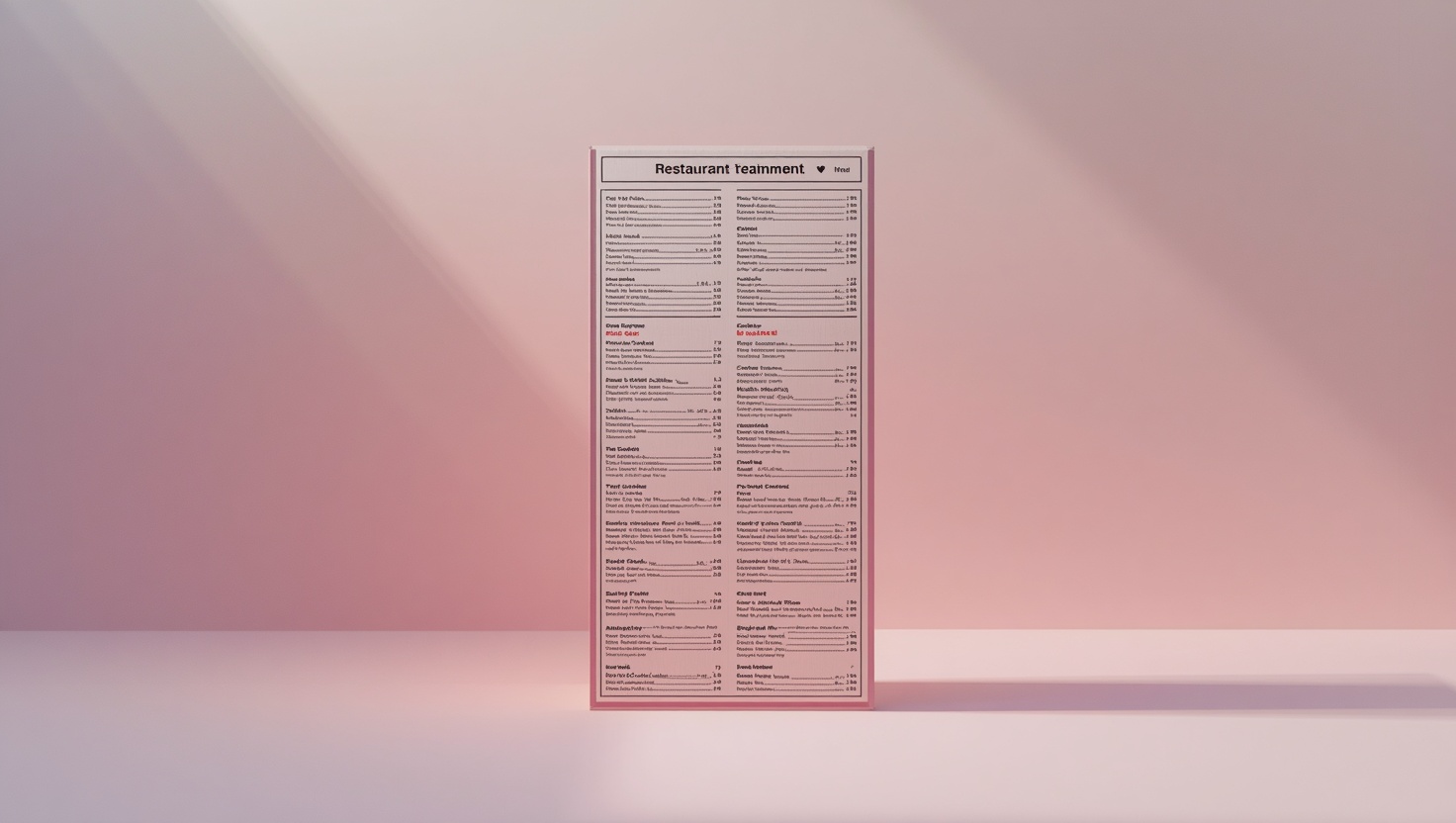
Essential Elements of Effective Restaurant Menu Design#
Restaurant menu design is an important element that reflects a restaurant's identity and presentation, directly affecting the customer experience. A well-designed menu is not only a reflection of delicious dishes but also of the restaurant's atmosphere and philosophy. In this context, there are specific elements to consider in menu design, such as color selection, typography, layout, content, and visuals. Each of these elements can create different effects on customers and strengthen the restaurant's image. As Turkish Informatics, we will explain how to effectively combine these elements.
Quick Summary
- Color, typography, and content harmony are important in menu design.
- Visuals enhance the appeal of the menu and attract customer interest.
- Written content should be clear and understandable; avoid using complex language.
Color Selection and Psychological Effects#
Colors have powerful psychological effects on people. For example, vibrant colors like red can stimulate appetite, while blue tones may reduce it. The color palette used in the restaurant menu should align with the restaurant's overall theme. If you have a seafood restaurant, blue and green tones may be preferred. However, in a dining room concept, warm colors (red, orange) are more favored. Therefore, when choosing colors in menu design, both the restaurant's identity and the target audience's perception should be taken into account.
Typography and Readability#
Typography selection is an important part of menu design. The chosen font should be readable, making it easier for customers to place orders. Especially, the names and descriptions of the dishes presented in the menu should be clearly readable. Avoiding complex and decorative fonts helps the menu look more professional. For example, sans-serif fonts generally provide a more modern appearance and increase readability. Additionally, using different font sizes to highlight important information is also an effective method.
Content and Menu Layout#
The contents of the dishes and drinks presented in the menu reflect the experience offered by the restaurant. Having a logical hierarchy in the menu layout makes it easier for customers to make choices. For example, grouping under categories like appetizers, main courses, and desserts allows the reader to browse the menu more comfortably. Also, adding short but informative descriptions for each dish can increase customer interest. For instance, mentioning a dish's special sauce or the fresh ingredients it contains can spark curiosity among customers.
Tip: The content in the menu should be updated according to seasonal changes; this way, a new and fresh experience is offered.
Visual Elements and Attraction Strategies#
Visuals are among the most attractive and eye-catching elements of a restaurant menu. Well-taken food photographs enhance the overall appeal of the menu and attract customer interest. Visual content should reflect not only the dishes but also the restaurant's atmosphere. For example, photos taken under natural lighting can be preferred to create a warm atmosphere. However, another important consideration here is that the photos should accurately represent the actual dishes. Otherwise, customer expectations may not be met, leading to disappointment.
In conclusion, effective restaurant menu design not only provides an elegant appearance but also enhances customer satisfaction. The correct combination of color, typography, content layout, and visual elements positively affects customers' experiences. The Turkish Informatics team can assist you in effectively implementing these elements by working with professionals specialized in custom menu design for your restaurant. Remember, a good menu design plays a crucial role in your restaurant's success.
Must-Haves#
Essentials that must be present in this business:
Added Value (Bonus)#
Not mandatory but makes a difference, optional enhancements:
All of these elements are provided by Turkish Informatics in a comprehensive manner, implementing them in a way that suits your business.
Pros and Cons#
Advantages
- A well-designed menu positively affects the customer experience.
- A readable and aesthetic menu strengthens the restaurant's professional image.
- Clear information in the menu accelerates the customer decision-making process.
Considerations
- A complicated menu can make it difficult for customers to make decisions.
- Low-quality visuals can negatively affect the perception of the dishes.
Color and Typography Selection in Menu Design#
Restaurant menu design is considered a visual art in the world of gastronomy. The menu is one of the elements that directly affects a restaurant's identity, the quality of the dishes offered, and the customer experience. Color and typography are the two most important elements used in menu design. The right color combinations reflect the restaurant's atmosphere, while appropriate typefaces enhance the menu's readability. Both elements can make delicious dishes more appealing and strengthen the restaurant's overall image. In this section, we will discuss in detail the factors to consider when selecting colors and typography.

The Psychological Effect of Colors#
Colors have a strong impact on human psychology. The colors used in restaurant menus can influence customers' food choices and overall moods. For example, warm colors like red and yellow are known to stimulate appetite, while blue can have an appetite-suppressing effect. On the other hand, green provides a sense of freshness and naturalness, while black enhances the impression of luxury and elegance. Restaurant owners should consider their target audience and restaurant concepts when choosing colors for their menus. For instance, bright and energetic colors may be preferred for a fast food restaurant, while darker and more subdued tones may be suitable for a fine dining establishment. Therefore, selecting the right color palette plays a critical role in creating an atmosphere that appeals to the restaurant's target audience.
Creating a Color Palette#
To create an effective color palette in menu design, three basic steps can be followed. First, the primary color should be determined; this color should generally reflect the restaurant's identity and be a tone that attracts the target audience's attention. Second, it is important to choose complementary or contrasting colors to the primary color. These colors help distinguish different sections of the menu. Finally, it should be tested whether the selected colors are suitable for their application area. For example, using light text colors on a dark background enhances readability. The most important factor to consider in these stages is that the colors should be harmonious with each other. A harmonious color palette not only provides visual aesthetics but also supports the professional appearance of the menu.
The Importance of Typography Selection#
Typography is another important component of menu design, and the right typeface selection can enhance the overall appeal of the menu. High readability typefaces allow customers to easily browse the menu. Additionally, it is important that the typefaces are appropriate for the restaurant's overall theme. For example, sans-serif typefaces may be preferred in a modern restaurant, while serif typefaces may be more suitable for a traditional restaurant. Another point to consider in typeface selection is size and weight. There should be a clear hierarchy between headings, descriptions, and prices on the menu. This helps customers understand the menu more easily and shows which items stand out.
Ensuring Typography and Color Harmony#
The harmony between typography and color is key to success in menu design. The selected typeface should be balanced with the color palette used in the menu. For example, using light-colored typefaces on a dark background enhances readability. At the same time, there should be sufficient contrast between the main color and the color of the typeface to reduce eye strain. Additionally, blending certain type styles with specific colors can reflect the style of the cuisine being served. A good example is combining red and green tones used in an Italian restaurant's menu with appropriate typefaces that match the colors of the Italian flag. Such details ensure that the menu is successful both aesthetically and functionally.
In conclusion, the selection of color and typography in restaurant menu design should combine aesthetics and functionality. The psychological effects of colors and typographic hierarchy can significantly enhance the impact the menu has on the reader. Careful consideration of these elements by restaurant owners will help provide customers with an unforgettable experience. Remember, an effective menu design reflects not only your dishes but also your restaurant's identity.
Common Mistakes#
Complex Design
Using overly complex graphics and typefaces in menu design reduces readability. Customers may struggle to understand what to choose in complex menus. The right approach is to create a simple and understandable design.
Insufficient Information
When the contents and allergen information of dishes are missing, it can pose a health risk for customers. This situation undermines the restaurant's reliability. Providing sufficient information alongside each dish increases customer satisfaction.
Uncertainty of Prices
Not clearly stating prices on the menu creates distrust among customers. Customers hesitate to place orders without knowing how much they will spend. Clearly writing prices helps ensure transparency.
Suggestions for Menu Layout to Enhance Customer Experience#
Restaurant management is not just about serving delicious food; it is also shaped by the combination of all elements that enhance the customer experience. Menu design is one of the most important of these elements. A good menu layout should be visually appealing and able to quickly respond to the needs of the customer. In this article, we will explore in detail the suggestions for menu layouts that will enhance the customer experience. We will discuss how the menu layout should be, which elements should be prioritized, and finally, ways to avoid common mistakes. A well-developed menu interface increases customer satisfaction and supports sales.
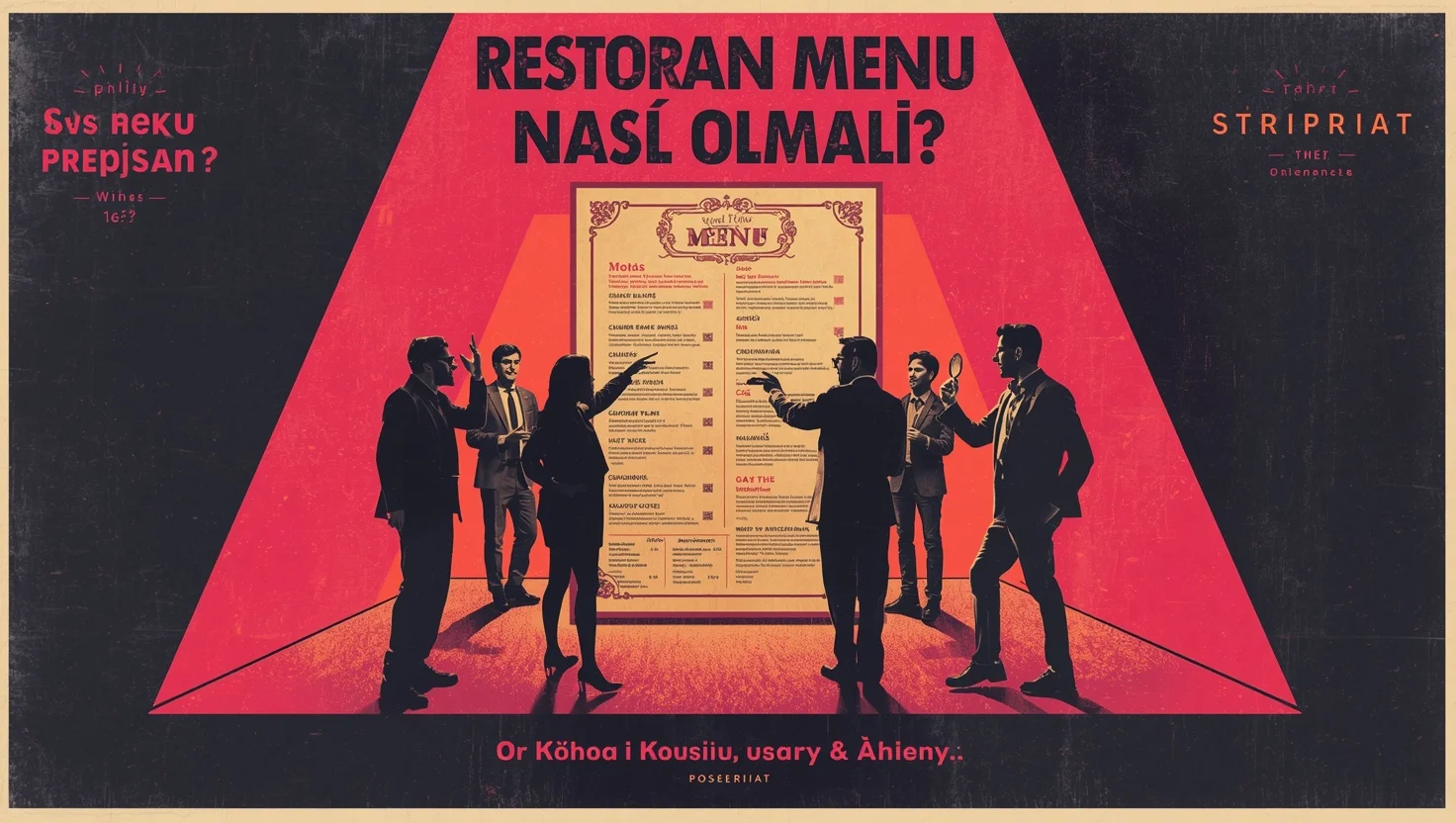
Visual Appeal and Readability in Menu Design#
The importance of visuals in menu design is significant. Customers look for an eye-catching design when they first see the menu. Elements such as colors, font types, and overall layout directly affect the readability of the menu. For example, using too many colors or choosing a complicated font can make the menu difficult to understand. The recommended design can make the menu more attractive in the reader's eyes by offering a simple and sleek appearance. Additionally, clearly writing the name and price of each dish on the menu helps customers make quick decisions.
- Choose a simple and readable font.
- Focus on a single theme by limiting the color palette.
Clear Distinction of Food Categories#
Clearly distinguishing food categories on the menu provides great convenience for customers. For example, creating sections such as appetizers, main courses, and desserts helps customers quickly find the food group they are looking for. Additionally, using specific symbols or icons for each category presents a visually more appealing menu. For instance, a leaf icon can be used for vegetarian dishes, and a fish icon for seafood. Such symbols can make the menu more fun and attract the customer's attention.
Considerations for Dish Descriptions#
The descriptions of the dishes presented on the menu are an important element that enhances the customer experience. Short yet informative descriptions help customers make more informed decisions when choosing. For example, specifying the ingredients and cooking methods used for a main dish can explain why that dish should be preferred. In this context, one of the recommended methods is to add a description next to each dish. However, care should be taken not to make the descriptions too long; they should be presented in a short and concise manner.
In conclusion, a menu layout that enhances the customer experience consists of elements such as visual appeal, capturing the reader's attention, and providing information. If attention is paid to these elements in the design of the restaurant menu, both customer satisfaction will increase and the business's sales will be positively affected. A good menu not only promotes your dishes but also strengthens the image of your restaurant. Therefore, it is extremely critical to give the necessary importance to menu design.
The Importance of Menu Design
The restaurant menu is the face of a business, and when designed correctly, it significantly improves the customer experience.
Eye-catching visuals, informative descriptions, and good organization facilitate the ordering process for customers and strengthen the overall image of the restaurant.
Menu Strategies for Different Customer Groups#
Restaurant menu design should be tailored to meet the needs of each customer group. Different customer segments have varying tastes, budgets, and experience expectations. Therefore, it is crucial for restaurant owners to diversify their menus and develop strategies by understanding their target audience. For example, offering suitable options for different groups such as families, young people, business professionals, or vegan/vegetarian consumers increases customer satisfaction and directly impacts the restaurant's success. In this article, we will examine menu strategies aimed at different customer groups.
Menu Strategies for Families#
Families are often looking for a wide range of flavors. Providing healthy and delicious options suitable for children is an important factor that influences families' restaurant preferences. For instance, creating children's menus can encourage families to choose a restaurant. Additionally, portion sizes are important. Offering large plates that facilitate sharing can create a social dining experience. Special discounts or set menus for families can also enhance customer loyalty.
- Children's menu: Small portions and healthy options
- Large plates: Ideal for a shared dining experience
- Discounted set menus: Budget-friendly offers for families
Menu Strategies for Young Consumers#
Young people are a customer segment that follows trends and is open to innovations. The dishes they want to see on a restaurant menu are often shaped by social media influence. Therefore, it is important for the dishes on the menu to be visually appealing and presented in a way that is suitable for social media. Additionally, offering healthy alternatives and paying attention to the content of the dishes plays a significant role in young consumers' preferences. Including vegan and vegetarian options on the menu also provides an advantage for this group.
Menu Strategies for Business Professionals#
Business professionals typically expect quick service and professionalism. Therefore, it is important to offer practical options that can be selected quickly from the menus. Set menus or light snacks suitable for business meetings can influence the preferences of business people. Furthermore, including healthy options in the dishes on the menu helps business professionals participate in meetings with better energy levels. Special menus and local flavors aimed at business people can also be an attractive strategy.
Menu Strategies for Special Diet Groups#
Consumers who are vegan, vegetarian, or have gluten intolerance require special attention due to the challenges they often face in restaurant menus. Developing menu strategies aimed at these groups helps restaurants expand their customer portfolio. For example, clearly indicating gluten-free or vegan options on the menu can allow these consumers to order with ease. Additionally, ensuring that meals suitable for these special diets are delicious and satisfying enhances the restaurant's reputation.
In conclusion, developing restaurant menu strategies begins with recognizing customer groups and tailoring them according to their needs. As Turkish Informatics, we assist restaurants in implementing these strategies in their menu designs. Developing menus aimed at different customer groups not only increases customer satisfaction but also positively affects the restaurant's profitability. It is important to seek professional support for successful menu design and to consider customer feedback.
Bu içeriği nasıl buldunuz?
Reaksiyon vermek için giriş yapmanız gerekiyor.
You Might Also Like



Gallery